
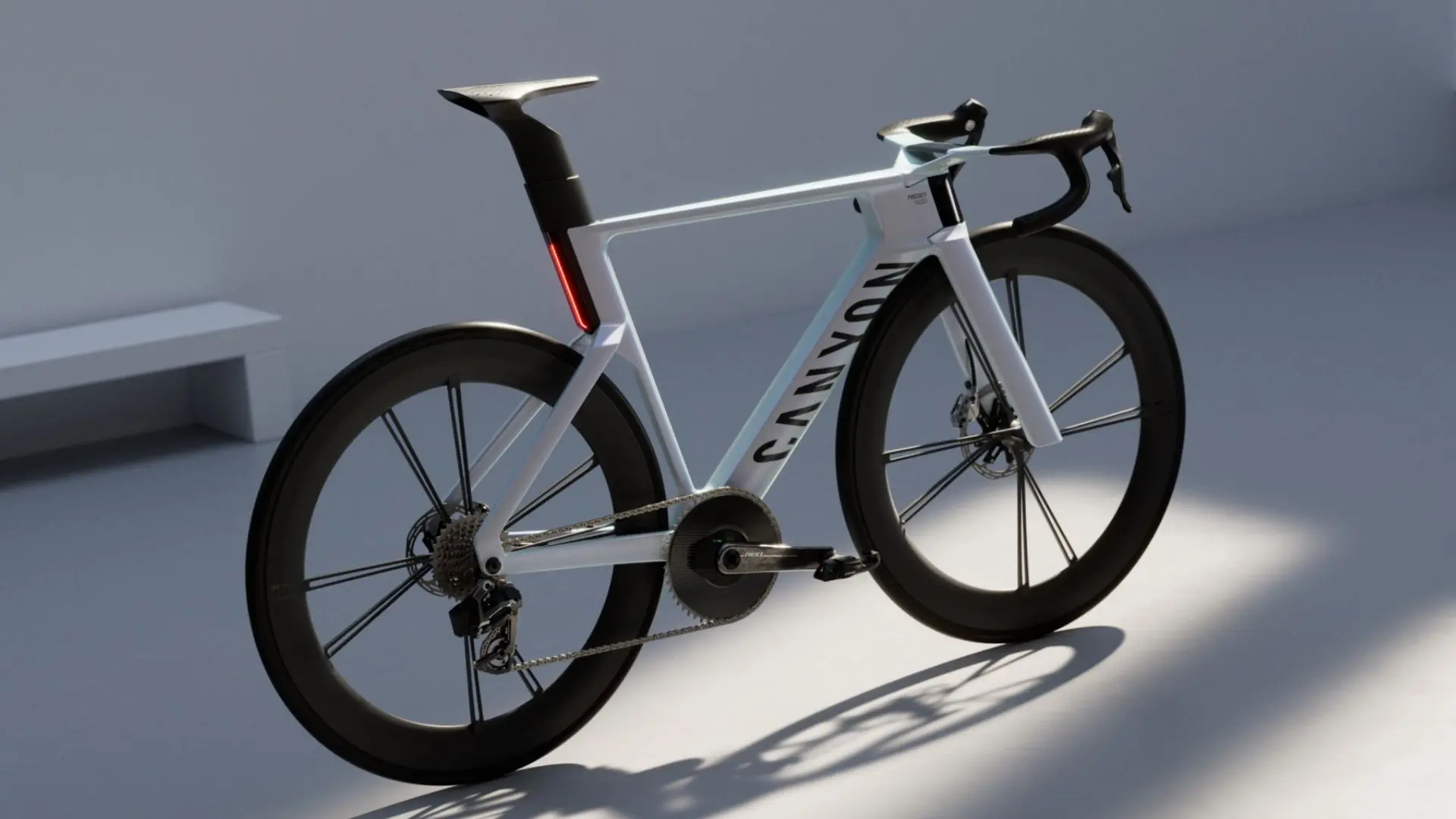
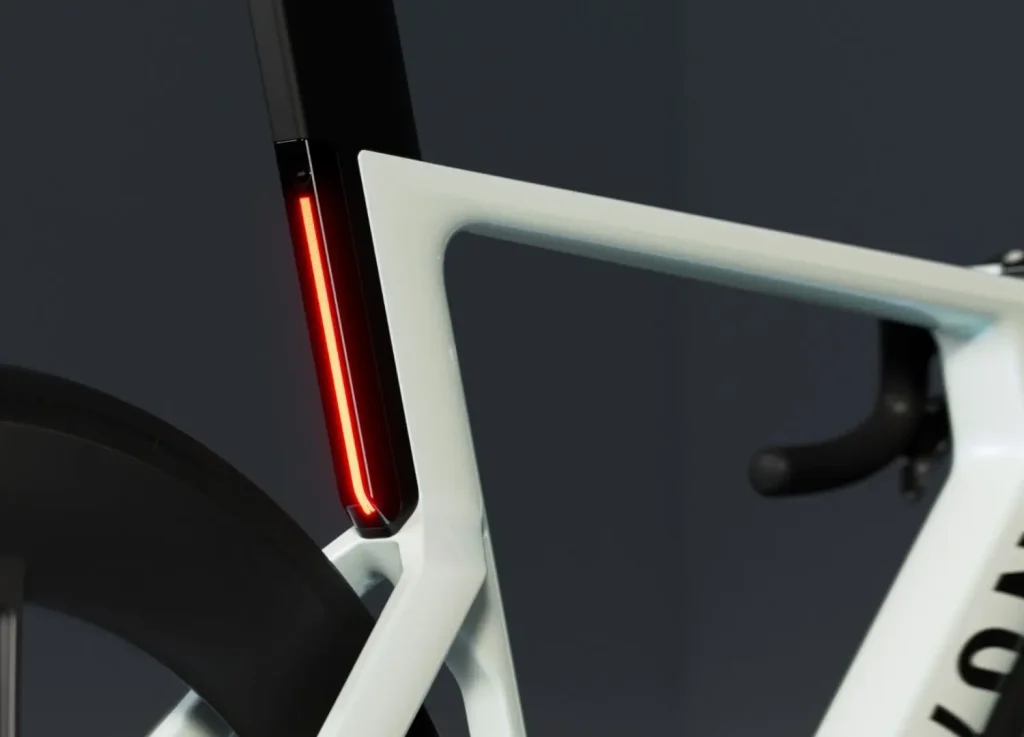
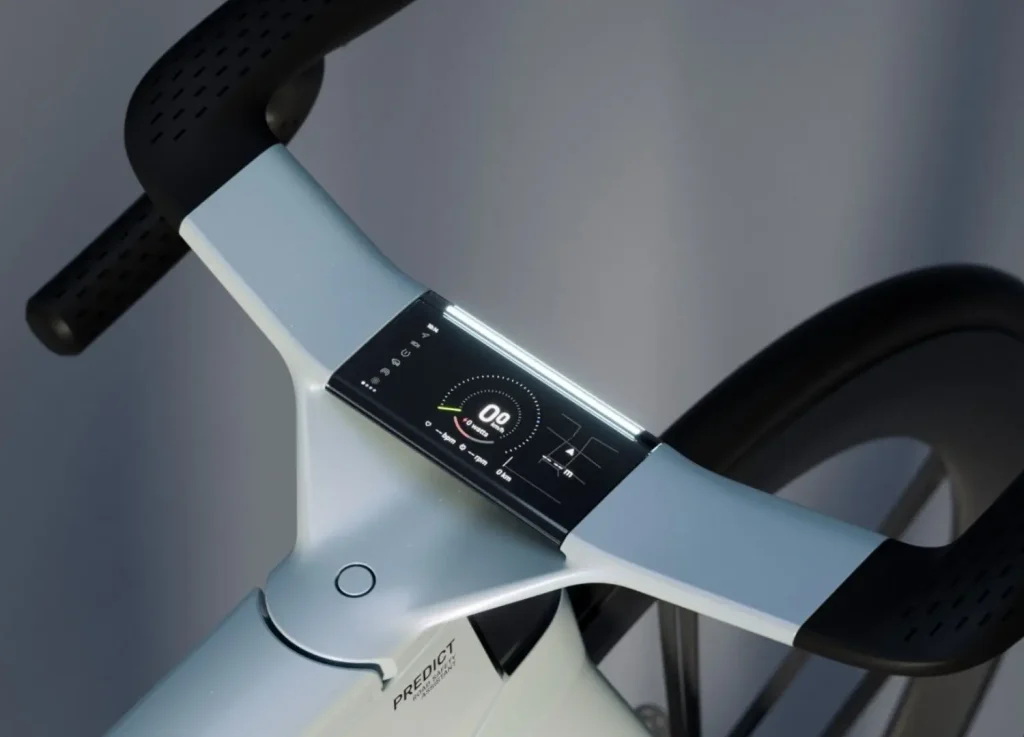
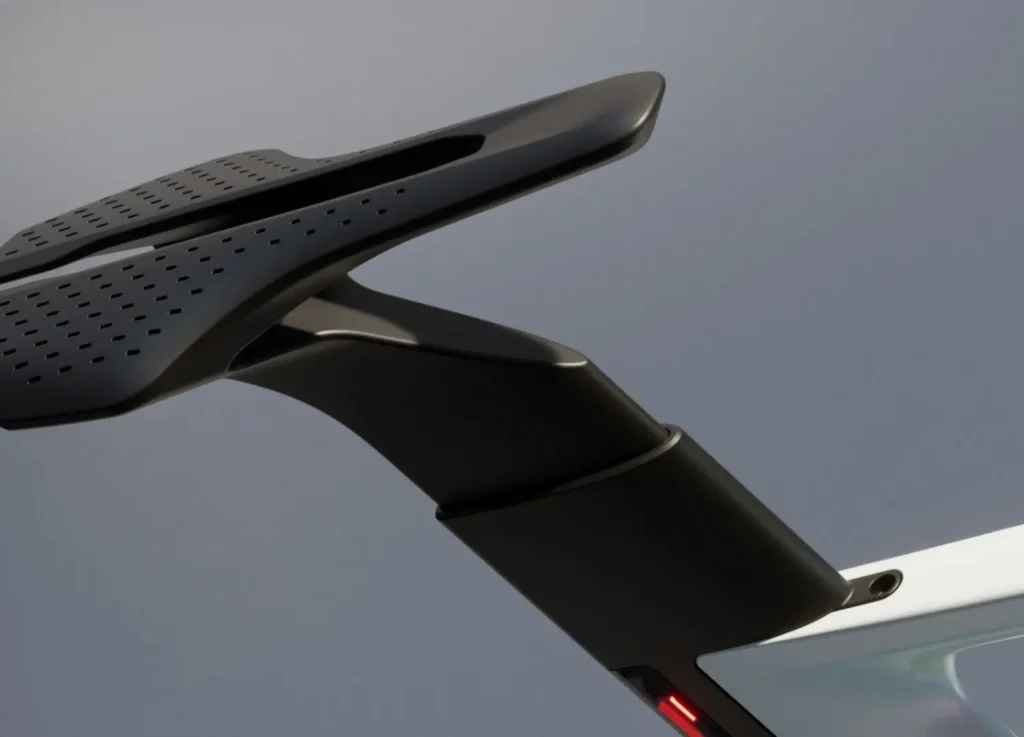
At first glance it is simply a very fast-looking road bike: white carbon, deep aero tubes, a cockpit so clean it seems to have swallowed its own cables. Look closer and there are things a road bike does not usually have. A red light strip running along the frame. A small screen set into the handlebar. And, tucked inside, cameras and radar sensors that never stop looking around.
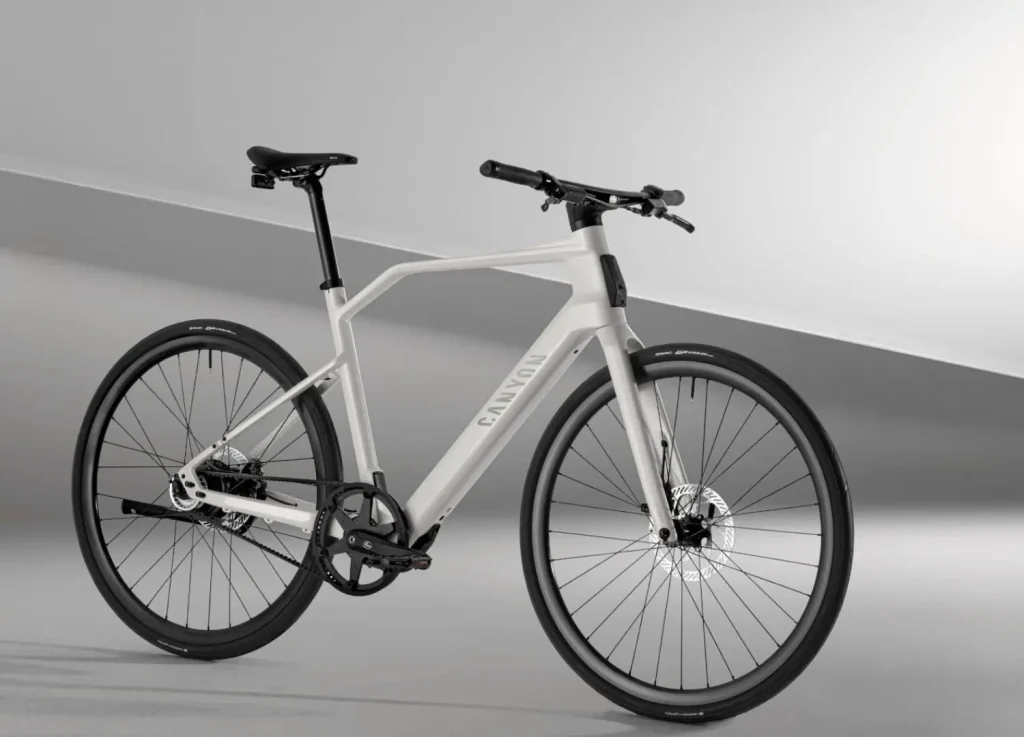
This is Predict, a prototype Canyon unveiled at Eurobike in Frankfurt this summer. For once, the German brand is not trying to make you faster. It wants to make you safer, and to do it before anything has actually gone wrong.
A co-pilot made of sensors
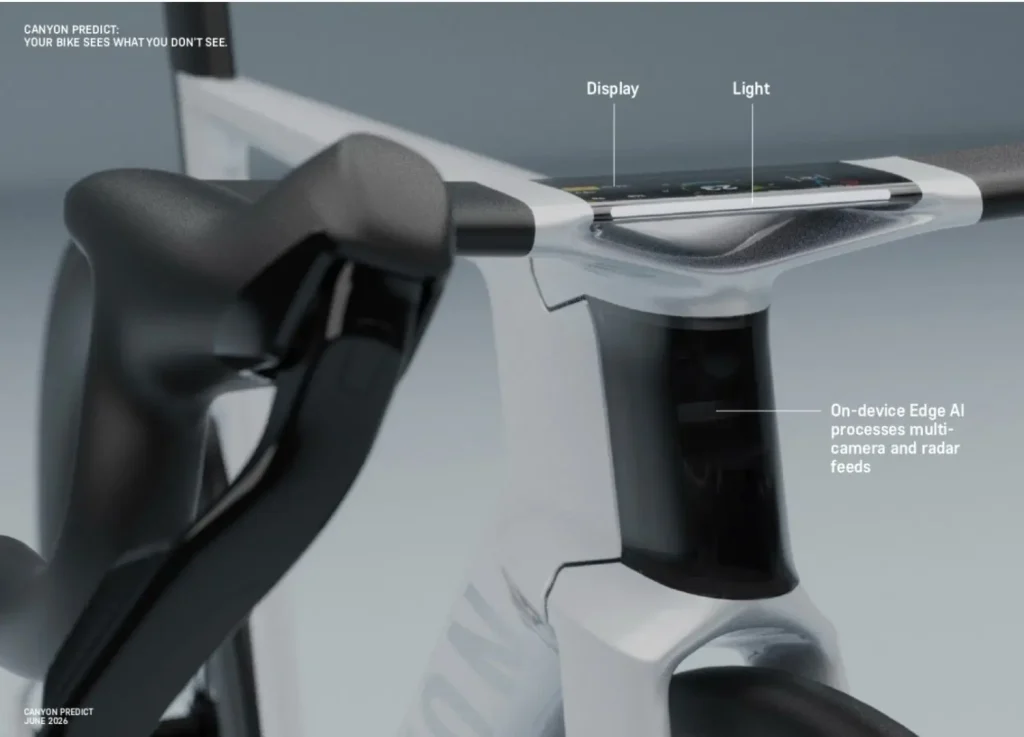
The heart of the system is what Canyon calls the Cognitive Core: cameras, radar and sensors spread around the bike, plus a multidimensional motion sensor hidden in the hub. All that data is processed on the bike itself by edge AI, with no detour through the cloud, and combined with what the rider is doing: speed, trajectory, steering angle, stability. The result is a live model of the street, and of you in it.
From there, Predict tries to read the next few seconds. A driver who clearly hasn’t seen you. A car overtaking far too close. A door about to swing open. A broken patch of tarmac on the line you’re about to take, or a bunch of riders closing up dangerously ahead. Instead of a beep after the fact, the bike warns you in advance through directional lights, haptic feedback and prompts on the handlebar display, and it can even suggest a safer speed for the next corner.
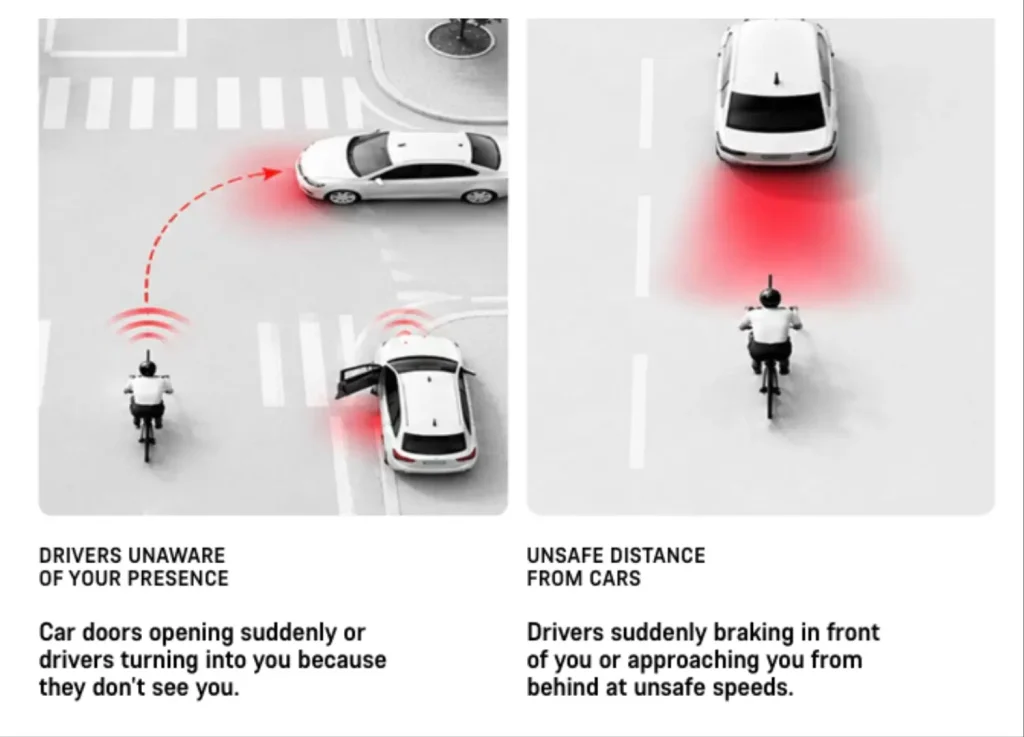
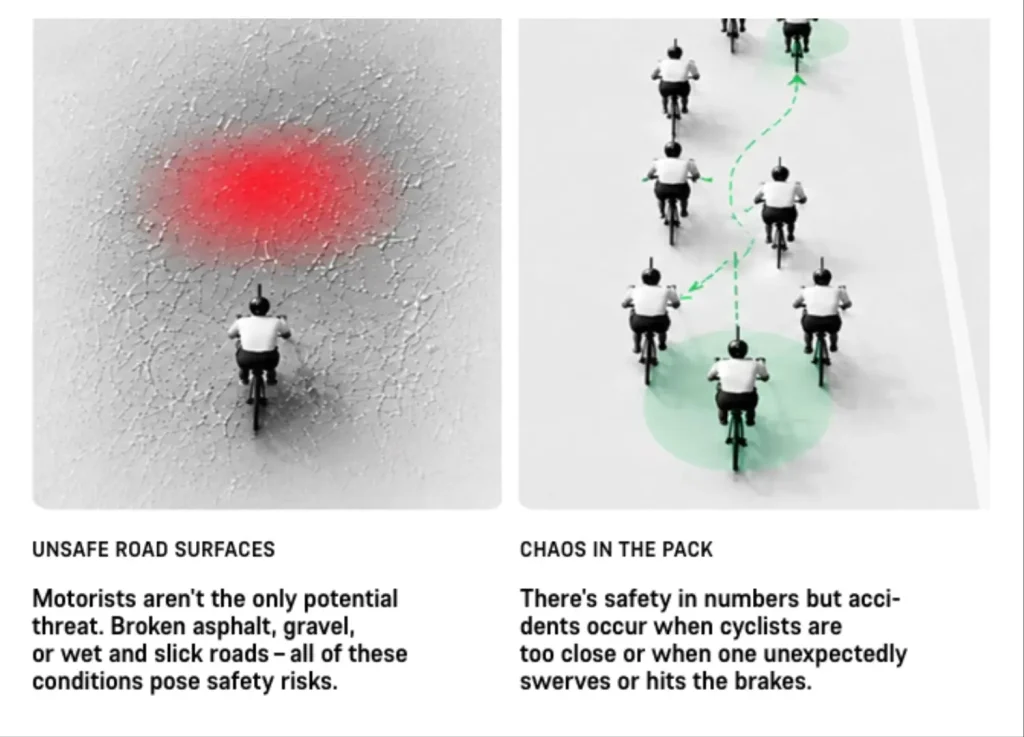
“Road cycling needs a safety revolution,” says Mazen Jrab, Canyon’s IoT hardware lead, who sums up the project as a shift from reactive safety to predictive safety.
Why now
The numbers explain the urgency. According to the European Transport Safety Council, 1,926 cyclists were killed on EU roads in 2024, one in ten of all road deaths. In Germany, Canyon’s home market, cyclists accounted for 16.4% of road fatalities in 2025, and cyclist deaths have risen by around a fifth over the past decade. Fedja Delic, Canyon’s head of design, points to a less visible cost as well: all the people who never get on a bike in the first place because they simply don’t feel safe.
A helmet with a head-up display
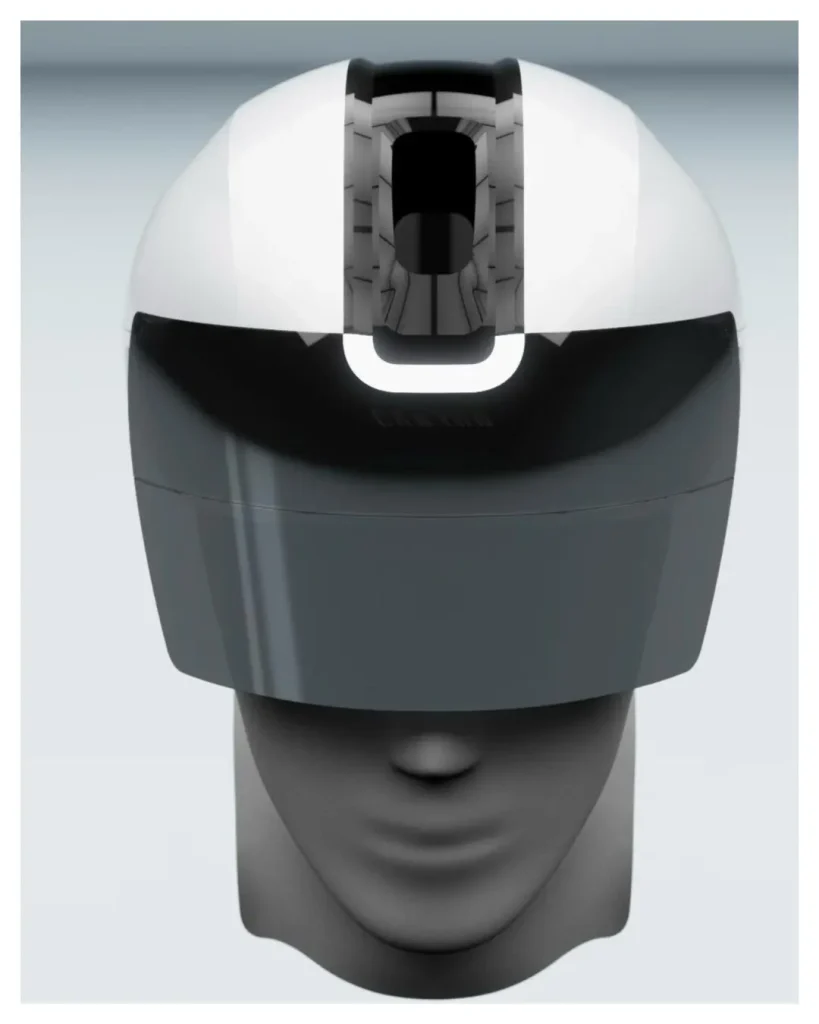
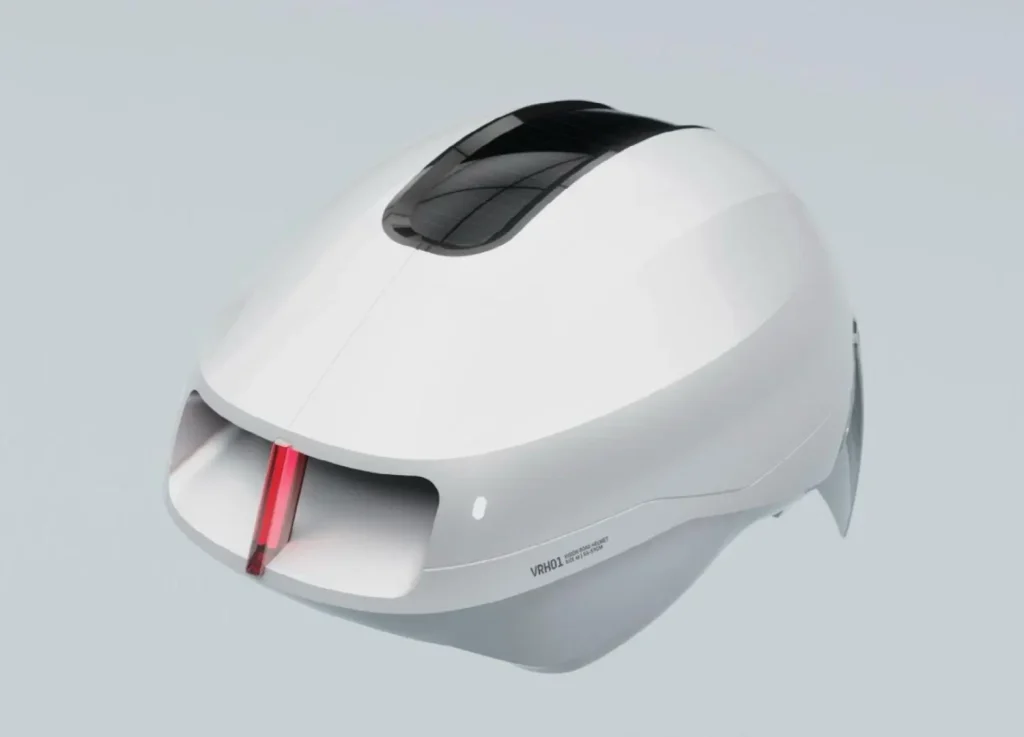
Predict also talks to the Stingr Smart Helmet, which sounds like something from a superhero’s wardrobe and very nearly looks the part. Its motorised visor retracts, and behind it sits a transparent OLED head-up display that can show the warnings coming from the bike, together with voice control and open-ear audio. The helmet works on its own, too.
Canyon is already looking further ahead. The brand talks about swarm intelligence, with bikes sharing what they see so that one rider’s near miss becomes everyone’s warning, and about adaptive components such as a dropper seatpost that lowers itself to bring the rider’s centre of gravity down when things get tricky. A dropper post on a road bike is a slightly heretical idea, and we rather like it.
Our take
Predict is a concept, and Canyon has not said when any of it might reach the shops. There are fair questions to ask about batteries, weight, privacy and whether a rider should ever hand part of their attention to an algorithm. But the brief is the right one. Cars have spent years learning to see what is around them, and it was only a matter of time before bikes, the most exposed vehicles on the road, asked for the same.
Project: Canyon Predict (prototype) and Stingr Smart Helmet
Brand: Canyon
Design: Canyon design team, led by Fedja Delic
Presented: Eurobike 2026, Frankfurt
Images: courtesy of Canyon
Via: DesignWanted, Bici da Strada and Canyon
Read also: YAKKAY bike helmets and Creative bike helmets


