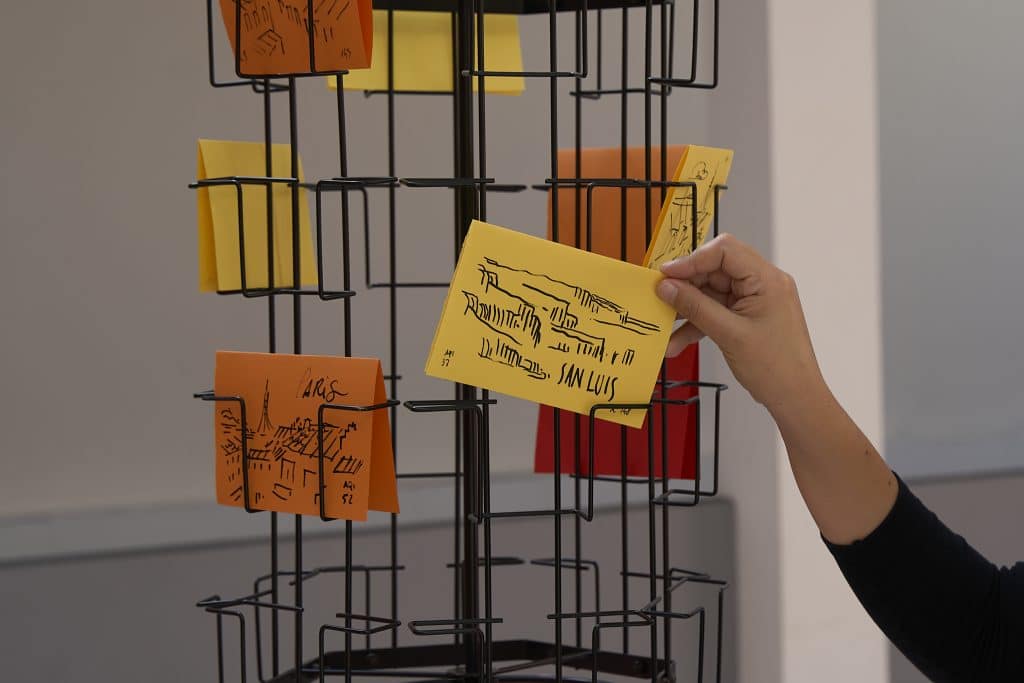
Hand drawn postcards, each one covered in coloured marks that record a week of someone’s life. Giorgia Lupi’s Dear Data is hanging this month in an unfinished building in Turin’s Barriera di Milano, where Graphic Days has set up its eleventh edition until 25 October, inside the Gruppo Building construction sites at via Banfo 43 and 16.
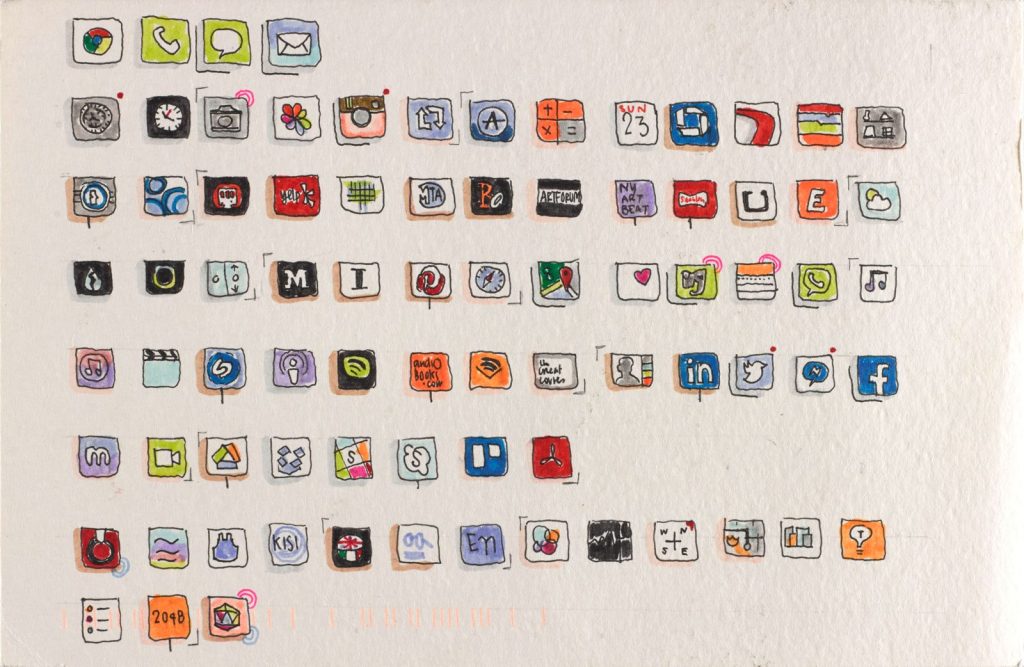
The theme is Disorder. Creative directors Ilaria Reposo and Fabio Guida describe it not as chaos but as “a generative condition and a space of possibility”, a way to question systems and hierarchies through visual language. The press notes break it down further: disorder as process, as hybridisation between disciplines, as a mirror of a present made of social conflict, information overload and AI, as protest, and as a constant dialogue with order.
Moving is part of the method. Since 2016 the festival has changed location across Turin, often far from the usual cultural circuits. This year the developer itself opened the doors: for Gruppo Building, a construction site is by definition a place of temporary disorder that prepares a new urban order. We think the venue is the strongest statement of the edition, a theme about breaking established structures staged inside a structure that is literally not finished yet.
Data, posters and a Swiss focus
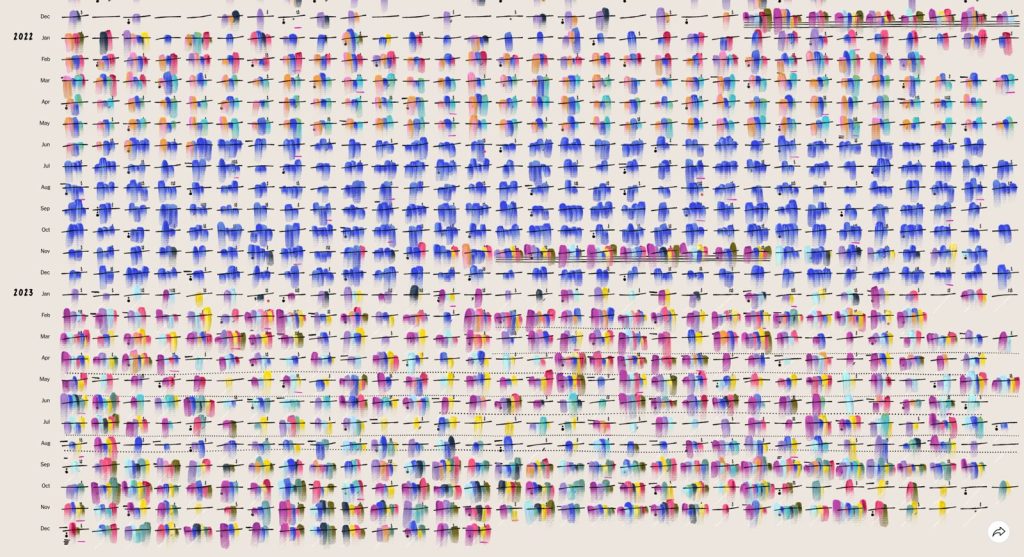
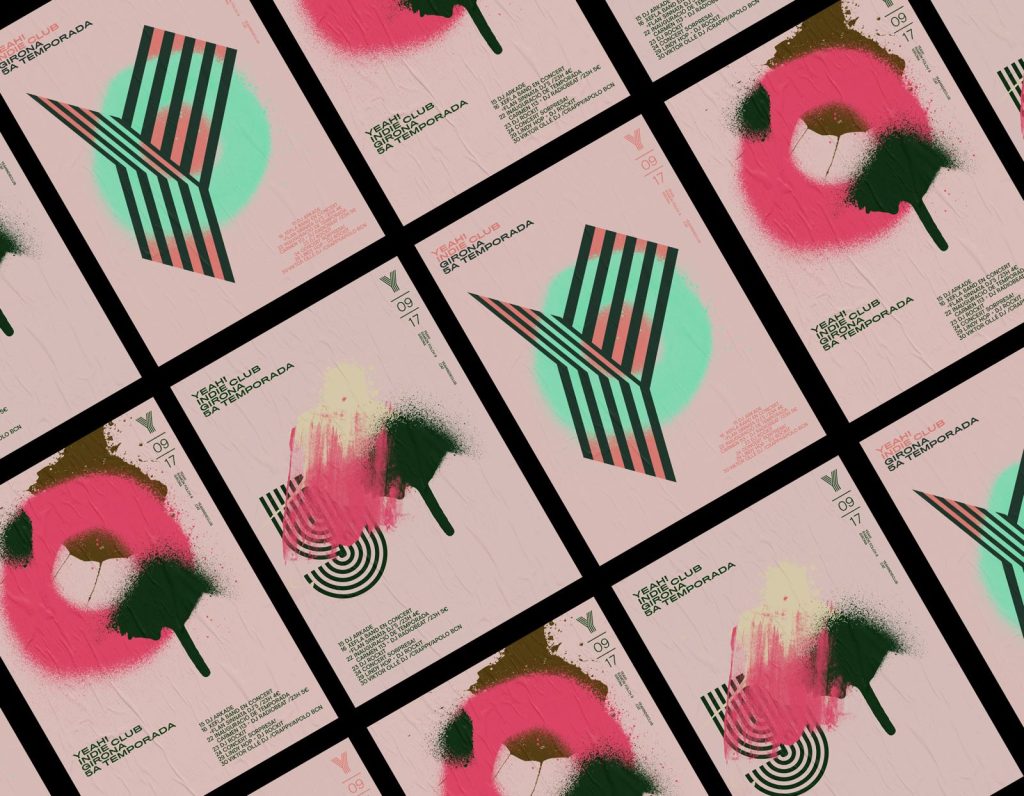
The twelve exhibitions mix screens and augmented reality with posters, zines and analogue tools. Data Humanism brings Lupi’s original works to Turin: the Pentagram partner, winner of the ADI Compasso d’Oro in 2025 and part of MoMA’s permanent collection, argues for bringing empathy, context and even imperfection back into data. Quim Marín’s Never Ever Be Predictable gathers posters made between Barcelona, Chile, Rome and Tokyo, where typography, colour and composition keep breaking their own balance.
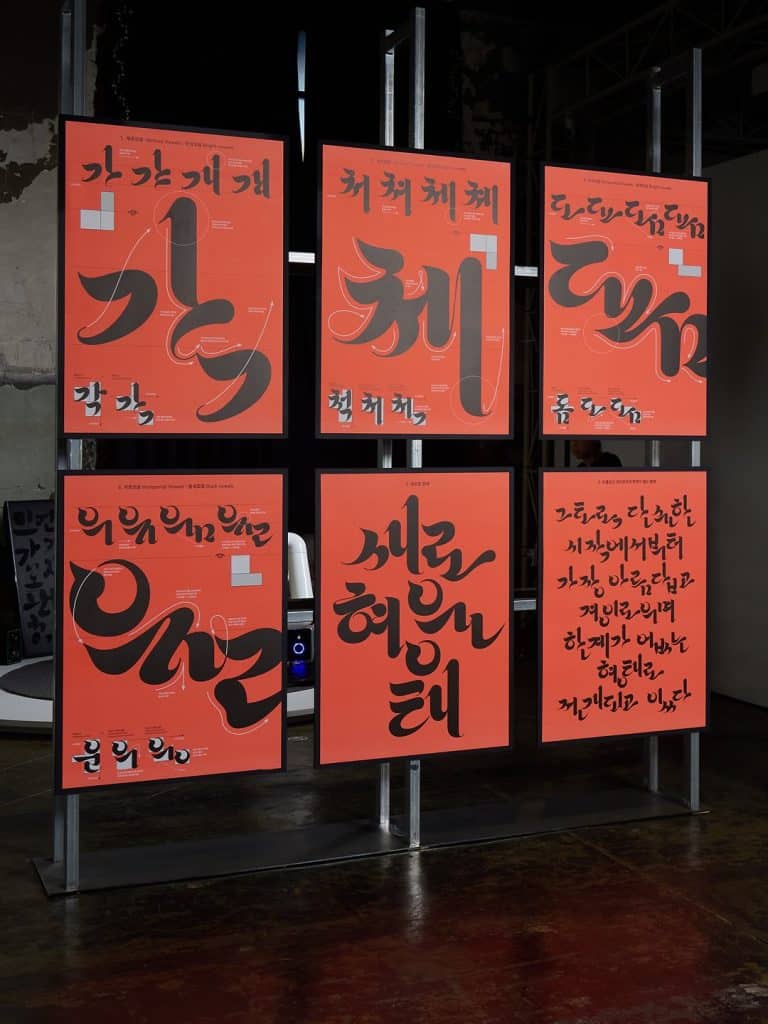
Switzerland is this year’s guest country for the Eyes On format. Between Type and Image collects two decades of posters and animations by Lucerne’s Erich Brechbühl, co founder of the Weltformat festival, which in turn curates a selection of emerging Swiss designers; the Most Beautiful Swiss Books award and ten Swiss studios picked by the festival complete the picture. A hundred years after the first Hangeul Day, 혼돈 HONDON tells how the Korean alphabet was born as a radical design act, to open writing to people excluded by Chinese characters, and how it now fuels a creative disorder of its own.
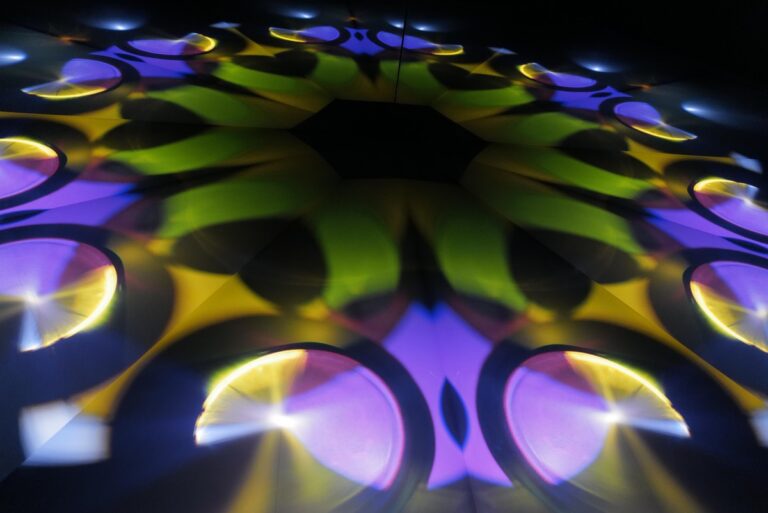
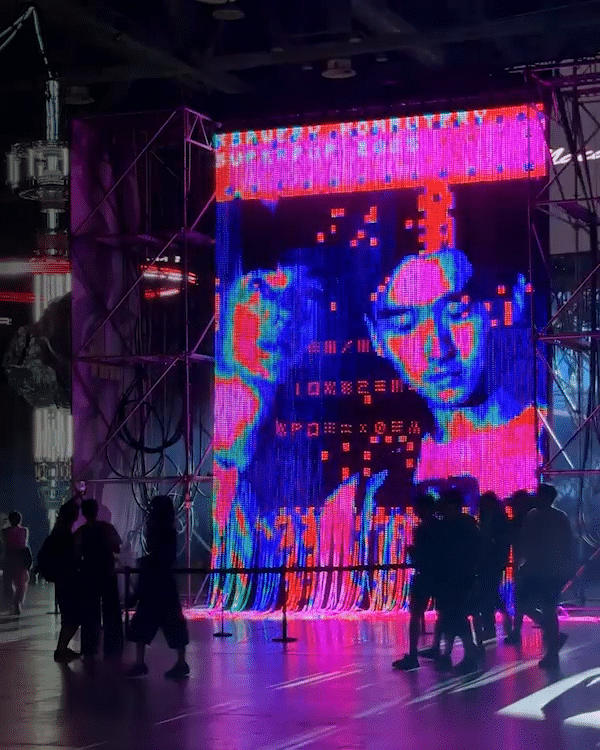
Posters carry the more restless and political notes. Nnewschøøl of pø5ter, with the Polish Graphic Design Association, collects Polish club posters from post internet to ugly design, neo rave and lo fi xerox. Daniele Catalli’s Saluti e Baci invents a travel agency that no longer sells paradise, pairing the reassuring iconography of twentieth century tourism with real time pollution data. Still Human shows the 40 winning posters of Posterheroes on what being human means in the age of AI, while Reflections reads Italian graphic design out of order, through the archive of the AIAP Graphic Design Documentation Center. In the basement, three dark rooms host interactive installations, including Cristina Tarquini’s work on water and energy.
Talks, workshops and the city
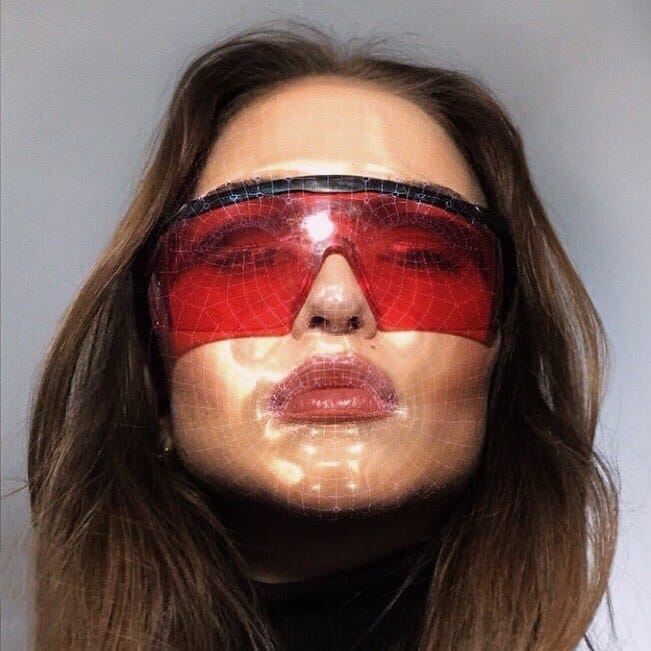
The talks follow three threads. New Visual Worlds (17 October) brings together Johanna Jaskowska, the artist behind the Beauty3000 AR filter used by over 500 million people, Quim Marín, the Polish studio Ksawery Komputery and the Dutch 3D studio YONK. Graphic Narratives (18 October) gathers Erik Kessels, Verònica Fuerte of Hey, Felix Pfäffli of Studio Feixen, Erich Brechbühl and Patryk Hardziej. Motion Language (24 October) closes with Emanuele Colombo, Illo, Niceshit and Turin’s own Nerdo.
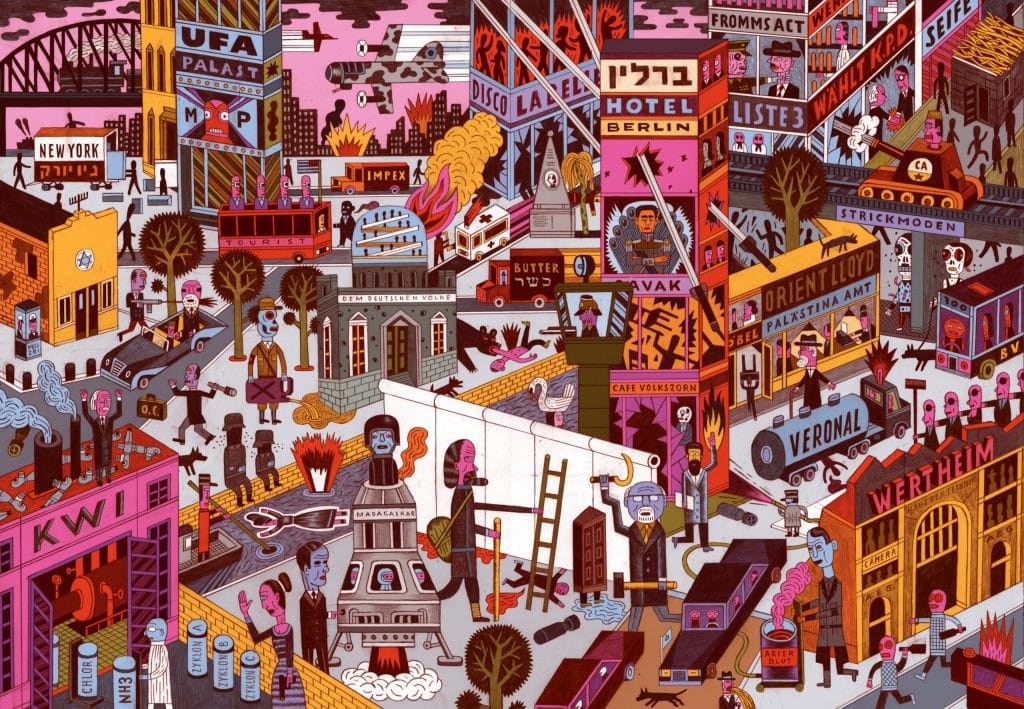
For the second week, the workshops are worth a look: on 24 October Henning Wagenbreth teaches symmetrical papercuts that become screen printing stencils, and on 25 October Tarquini turns real plant growth data into visualisations in TouchDesigner. The same Sunday closes with a market of independent studios and artists. Before that, on 22 and 23 October, In the city spreads the festival across more than twenty Turin venues, from design studios to communication agencies.
Event: Graphic Days vol. 11, Disorder
Organisers: Print Club Torino, Quattrolinee, Plug
Location: Cantieri Gruppo Building, via Banfo 43 and 16, Barriera di Milano, Turin
Dates: 15 to 25 October 2026
Tickets: €20, reduced €15
Images: courtesy of Graphic Days and the artists
Info: graphicdays.it