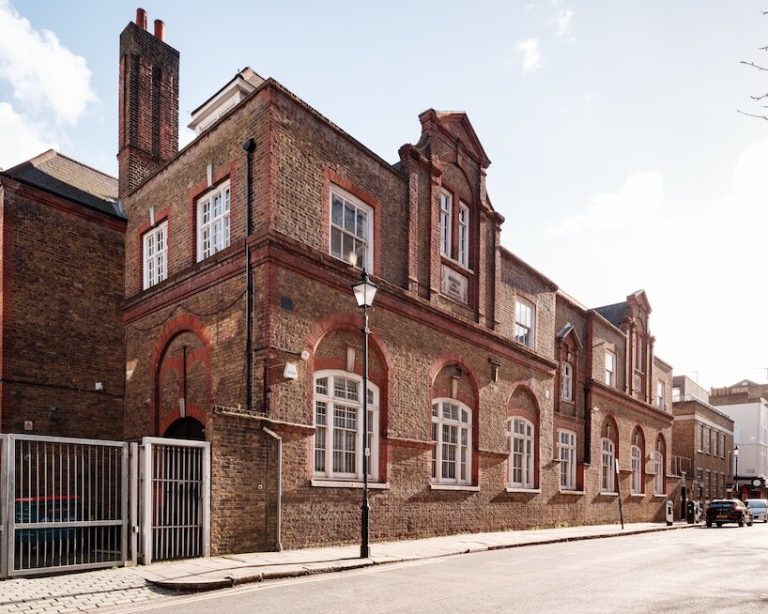
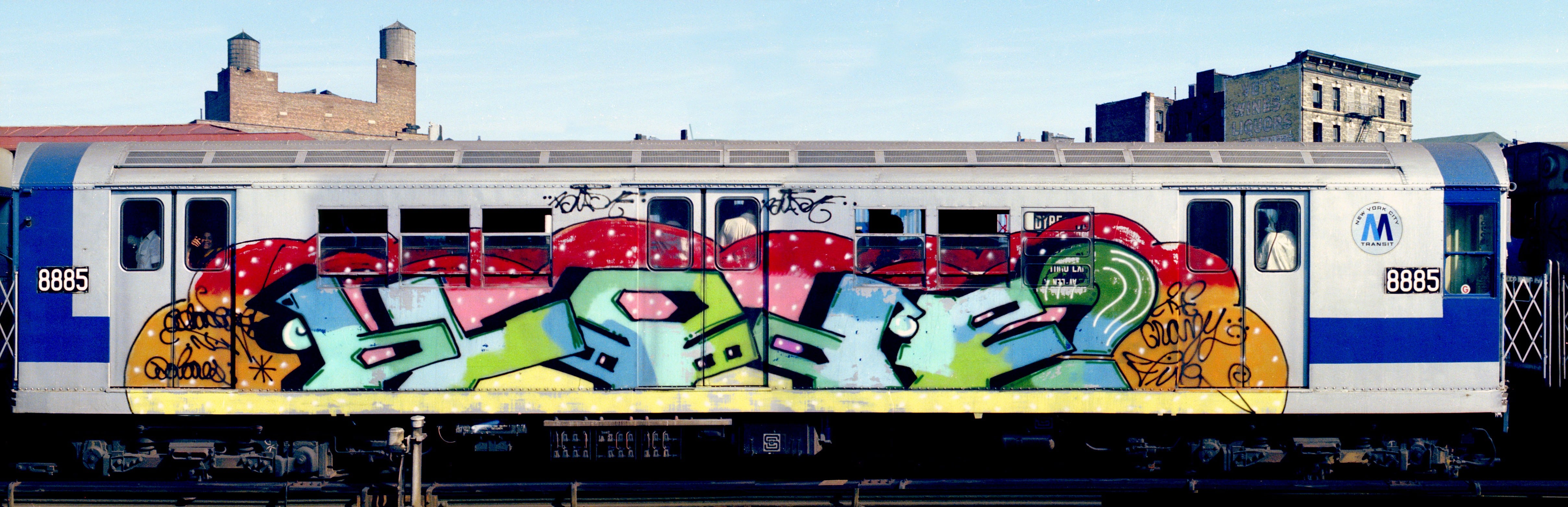
A whole subway car runs across the wall, end to end in fat letters, arrows and cartoon characters, colours that look even louder because the steel underneath is so grey. It is New York, around 1980. It is also, right now, a former shipyard in Amsterdam Noord.
Art Is Not a Crime, on at STRAAT until 13 March 2027, brings together the subway photographs of Henry Chalfant, the sculptor who swapped the chisel for a camera and ended up writing the visual history of graffiti. The museum prints them the way they deserve to be seen: at the size of the train.
One train, five frames
In the late 1970s and early 1980s Chalfant photographed around 550 painted cars. The method was all patience and timing: wait on the platform, catch the train in the few seconds it stood still, shoot it in four or five overlapping frames, then cut and glue the prints by hand into a single panorama. No stitching software, just scissors and a lot of subway tokens.
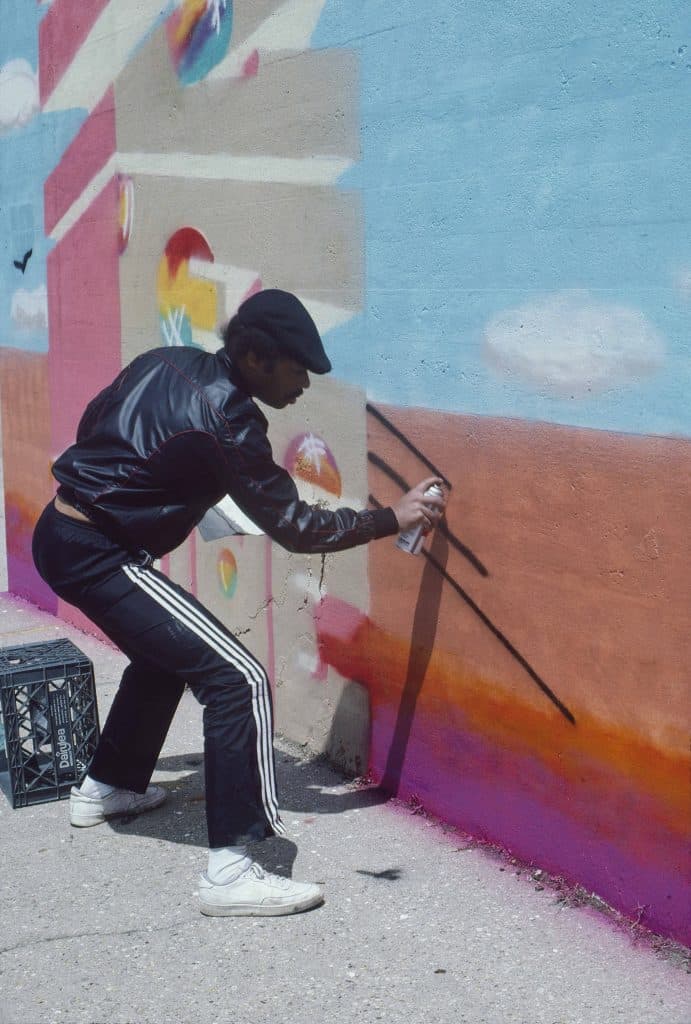
Those panoramas became the backbone of Subway Art, the book he published with Martha Cooper in 1984, and of Style Wars, the 1983 documentary he co-produced. For a whole generation of writers, from the Bronx to Barcelona, the two titles were the textbook.
Life size, with sound
At STRAAT the trains are printed on metallic paper and lined up across 2,000 square metres of the old shipbuilding hall, with a large backlit screen showing cars rolling into a station and the rattle of the subway in the background. Standing in front of them you understand why the writers called them burners.
The show is curated by the artist SUSO33, with the Dutch Graffiti Library as guest curator, and that partnership brings the most interesting twist. Next to the New York cars hang Chalfant’s photographs of Amsterdam in 1985, a reminder that his images travelled fast and helped lay the foundations of the Dutch graffiti scene.
The right building for it
The venue fits the story. STRAAT sits on the NDSM wharf, across the IJ from Centraal Station, and started life as a flea market whose founder invited graffiti writers in and then decided to build a museum around them. It opened in 2020, in the middle of the pandemic, and now holds around 280 works by names such as Shepard Fairey and Shamsia Hassani. Asking for forgiveness rather than permission seems to be the house style.
Chalfant, now 86, told Creative Boom that art forms like this “emerge outside of official chambers”. Seeing them inside one, at full scale, feels less like a contradiction than a long overdue thank you. New York spent years scrubbing these trains clean. Amsterdam has framed them.
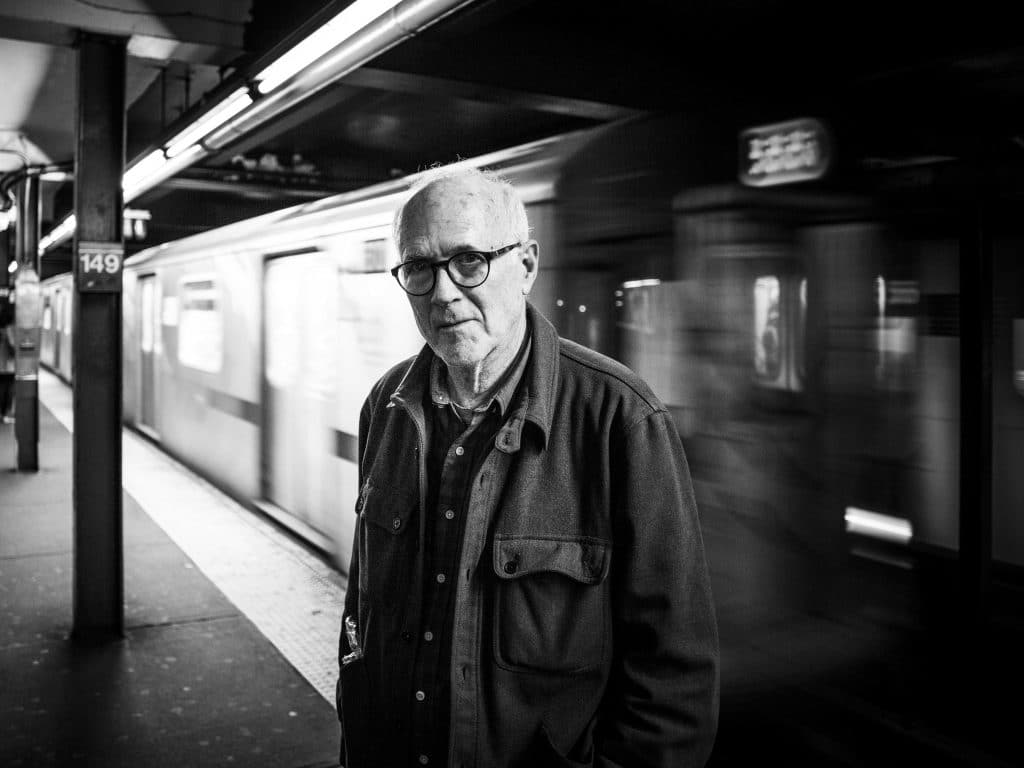
Henry Chalfant: Art Is Not a Crime
STRAAT Museum, NDSM wharf, Amsterdam
Until 13 March 2027, included in the regular ticket
straatmuseum.com