


Seen from the stage, the room is all warm materials: rust-red seats rising in tiers, exposed brick, balcony fronts in bronze, and a sequence of curved bands of light that frame the stage like the ribs of an arch. The first images of Apple Music Hall show a room that looks as if it had always been part of Battersea Power Station. It hasn’t. Apple has just opened the 600-capacity venue inside the former coal-fired station on the Thames, the same building that has housed its UK headquarters since 2023.

A room that borrows from the building
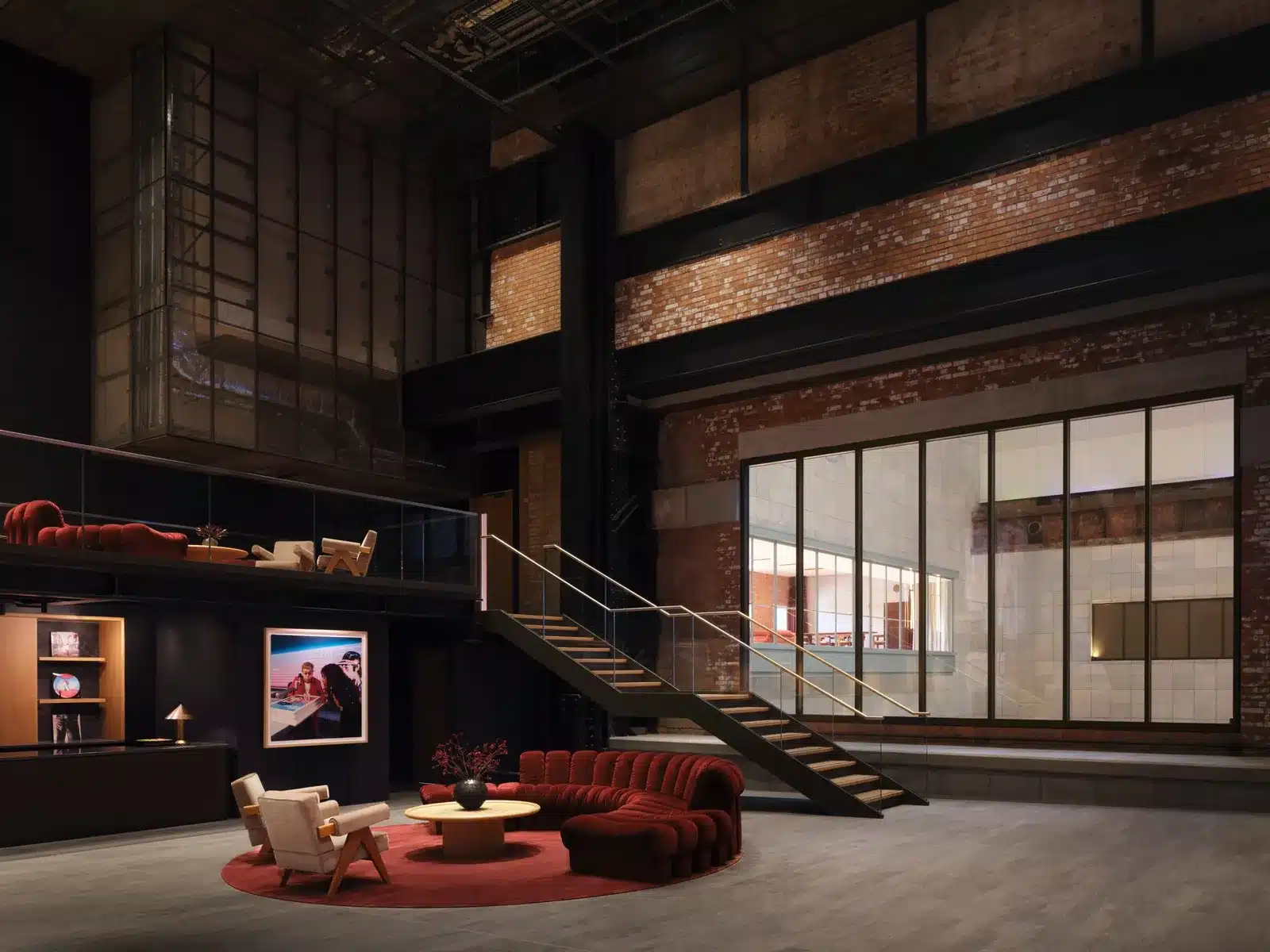
The design leans on the power station rather than competing with it. The brickwork and fluted arches pick up the language of the industrial landmark whose exterior Giles Gilbert Scott shaped in the 1930s, and the bronze balconies are a direct reference to its oriel windows. In the double-height foyer the steel frame and brick are left in view, and a large glass wall opens onto the concourse and the river, so the building stays present even between sets.

A studio disguised as a venue
The more interesting part sits behind the stage. Two recording and mix studios, built to professional standards, capture every set as a multitrack recording that can be mixed in Spatial Audio live or after the show. The room is wired for sixteen or more cameras feeding a dedicated broadcast control room, with iPhone capture running alongside conventional broadcast equipment. Out front, the 11.5-metre stage switches between a front-facing layout and an in-the-round one, and 48 speakers surround the audience, so a set performed in spatial is heard as an immersive mix rather than through a standard front-of-house system.
The upshot is that one performance leaves the building as three finished products: a Spatial Audio recording, a broadcast-ready mix and multicamera video. Shows will also be livestreamed worldwide.

Why it matters
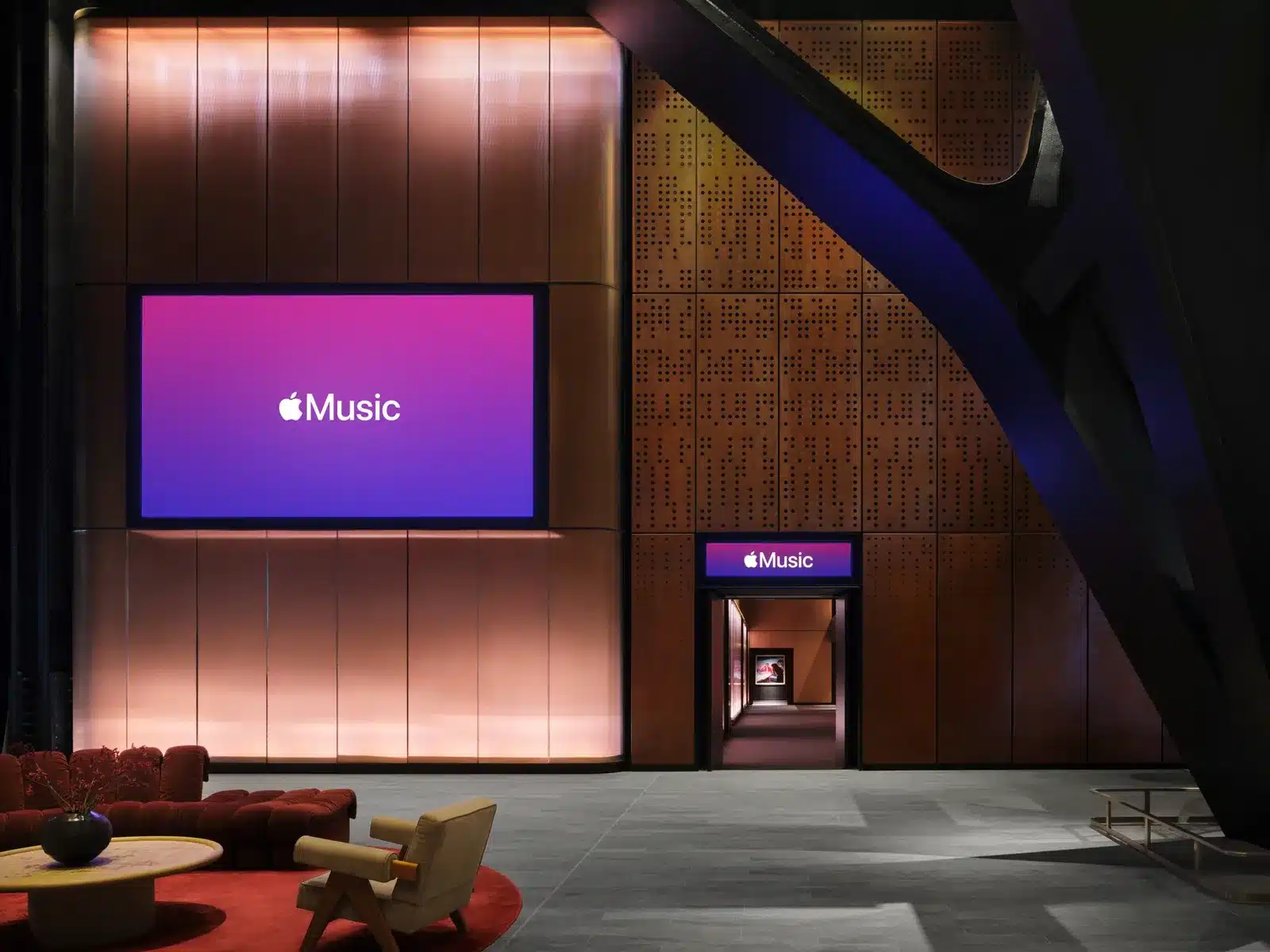
Rooms of this size are where most artists actually play, and they are rarely equipped like an arena. Apple presents the project as a way of supporting live music “in ways only Apple can do”, and alongside the venue it has moved all of Apple Music Radio’s London hosts into new studios in the same building.
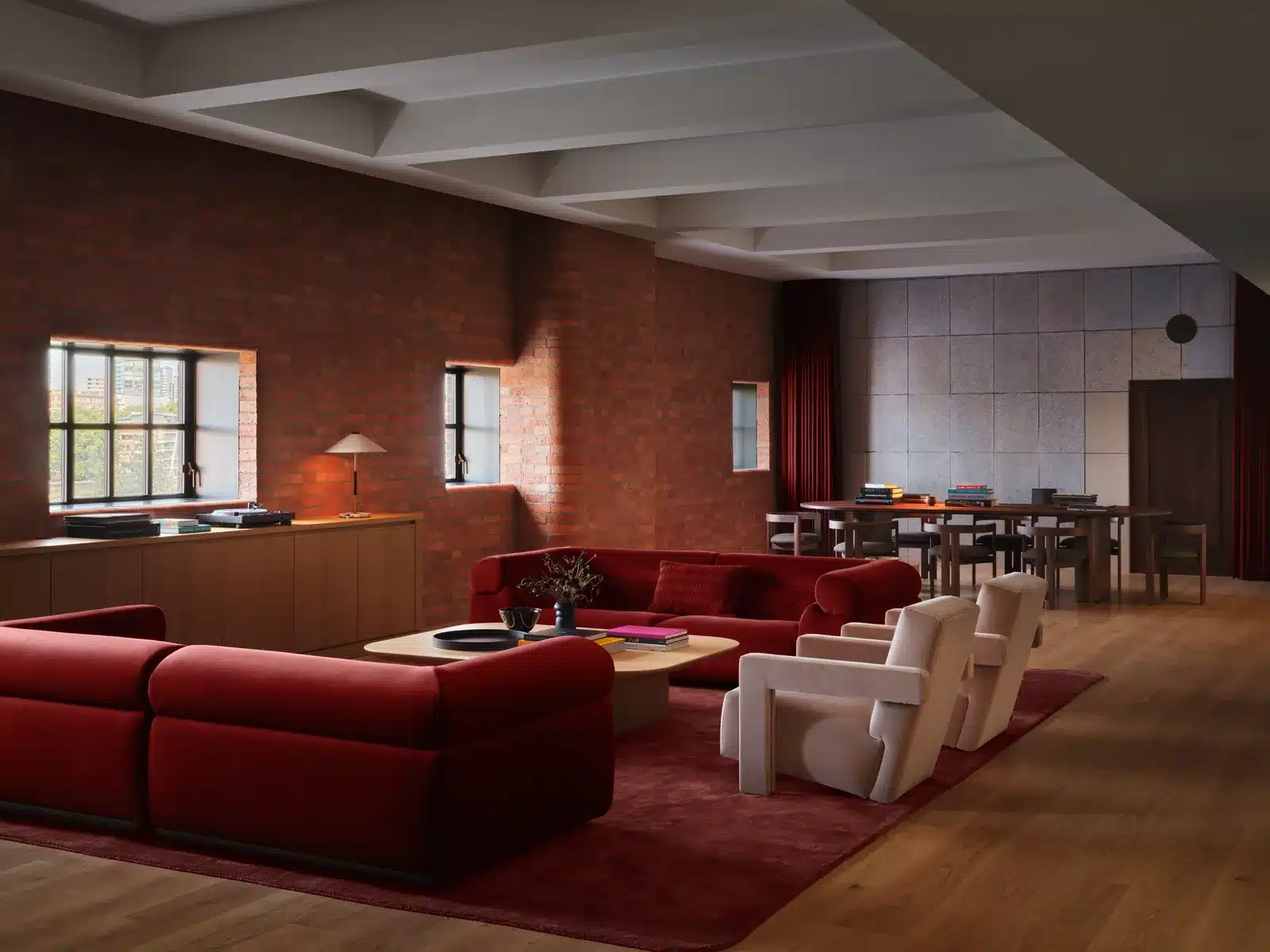
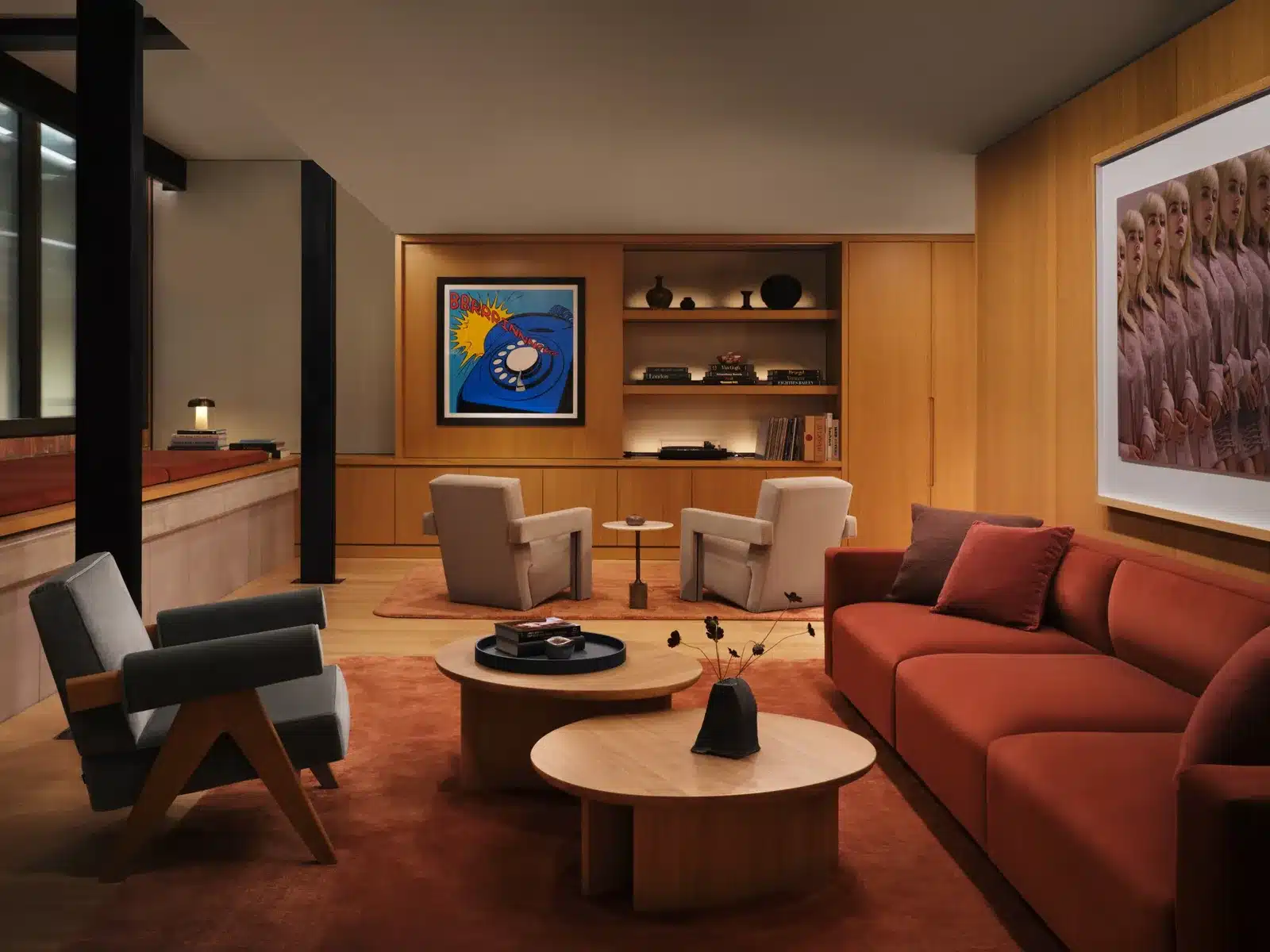


We find the hybrid more interesting than the branding: a concert hall conceived from the start as a production facility, inside a monument that was itself built to generate something. The open question is programming. A venue owned by a streaming platform will be judged on whether it books beyond the names that platform already promotes.
Apple Music Hall, Battersea Power Station, London. Capacity 600. Programme and tickets at applemusichall.com.

