
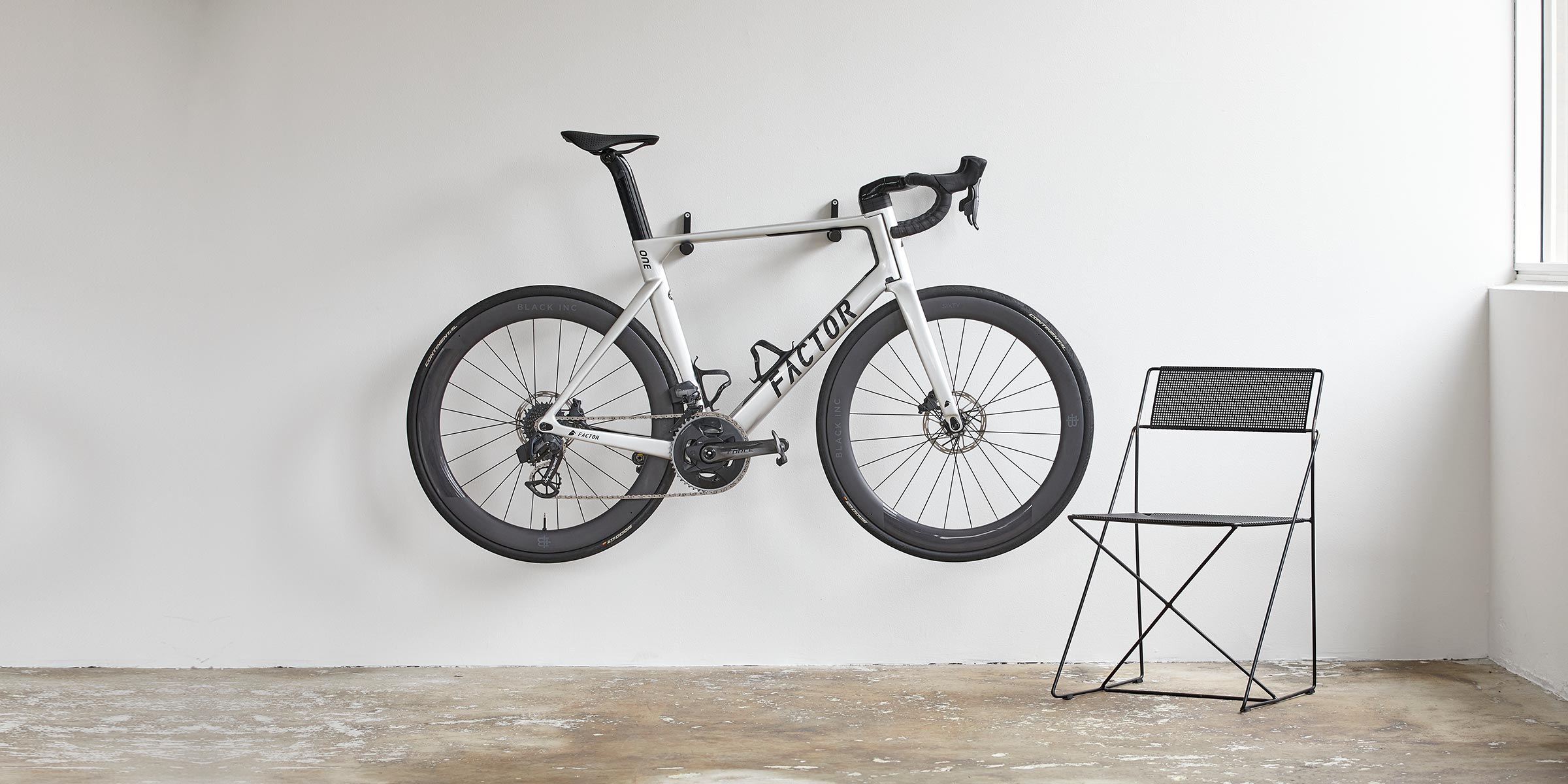
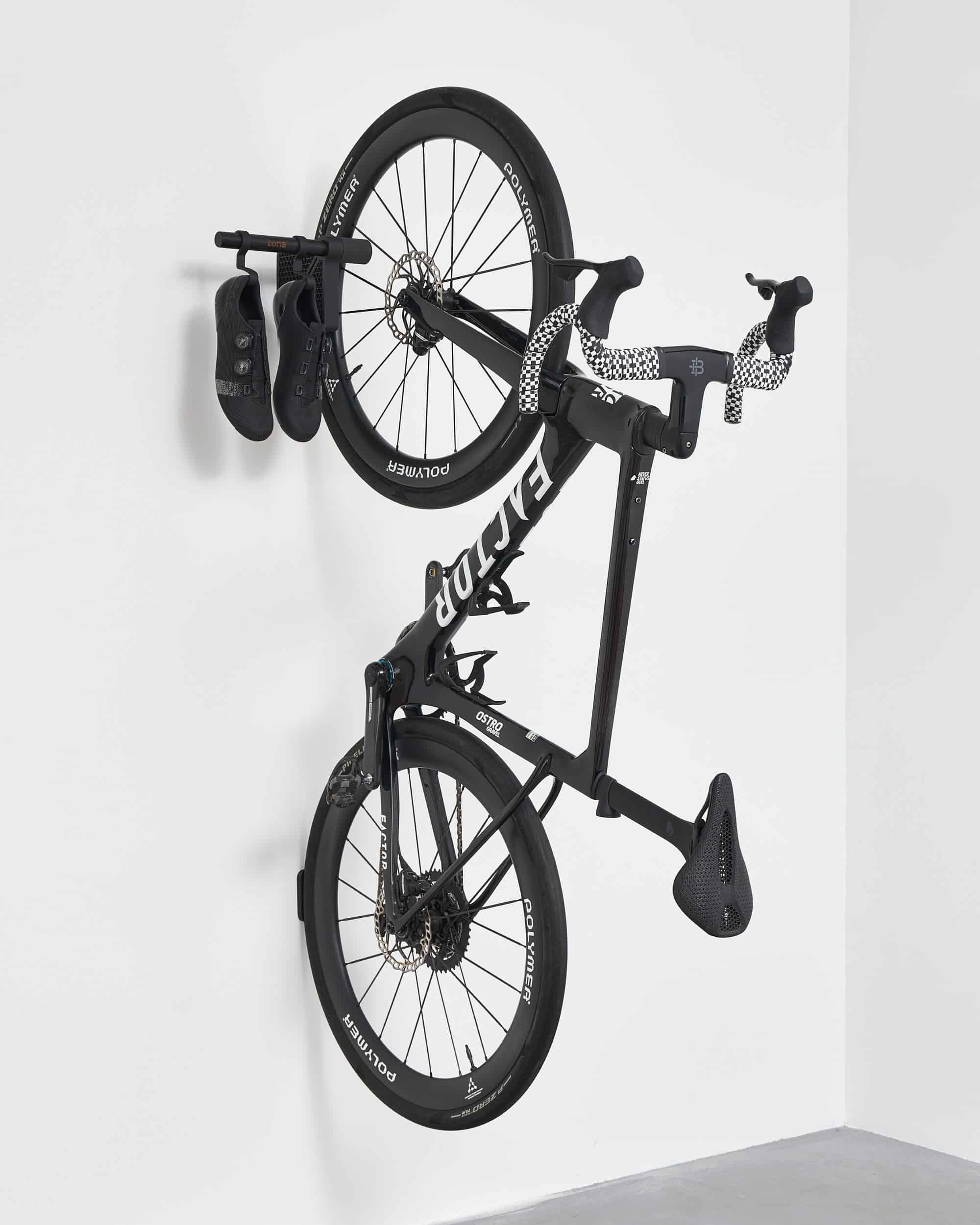
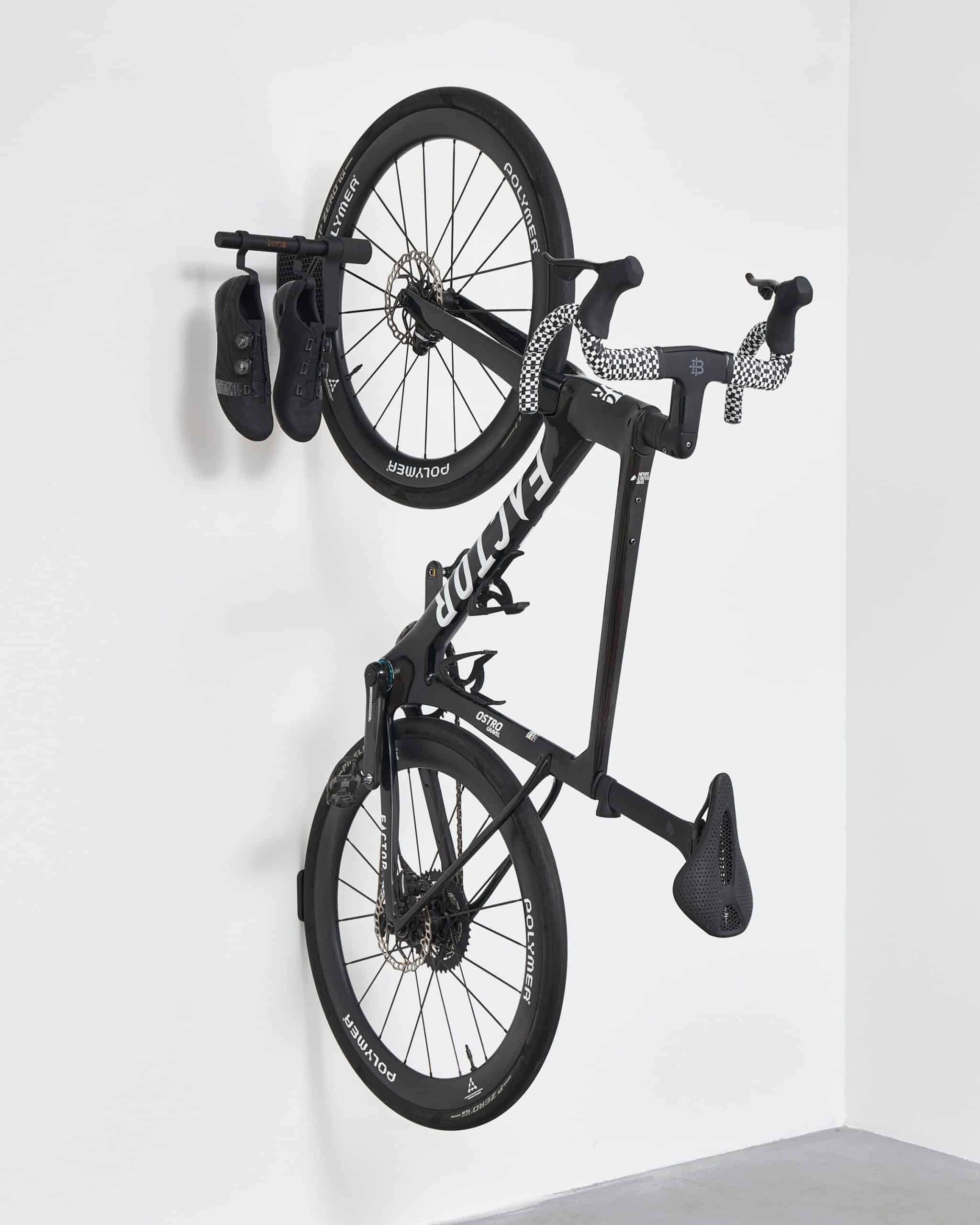
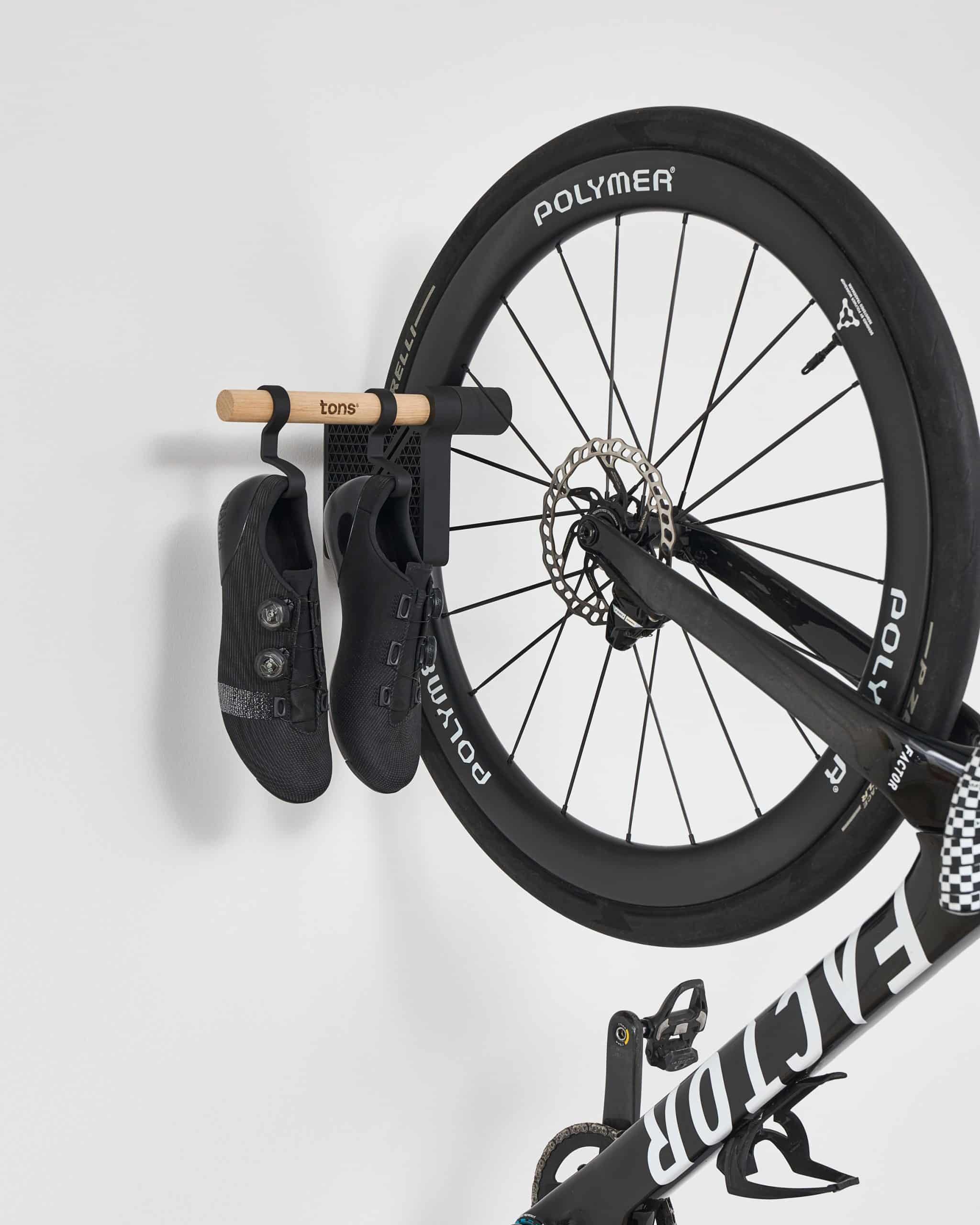
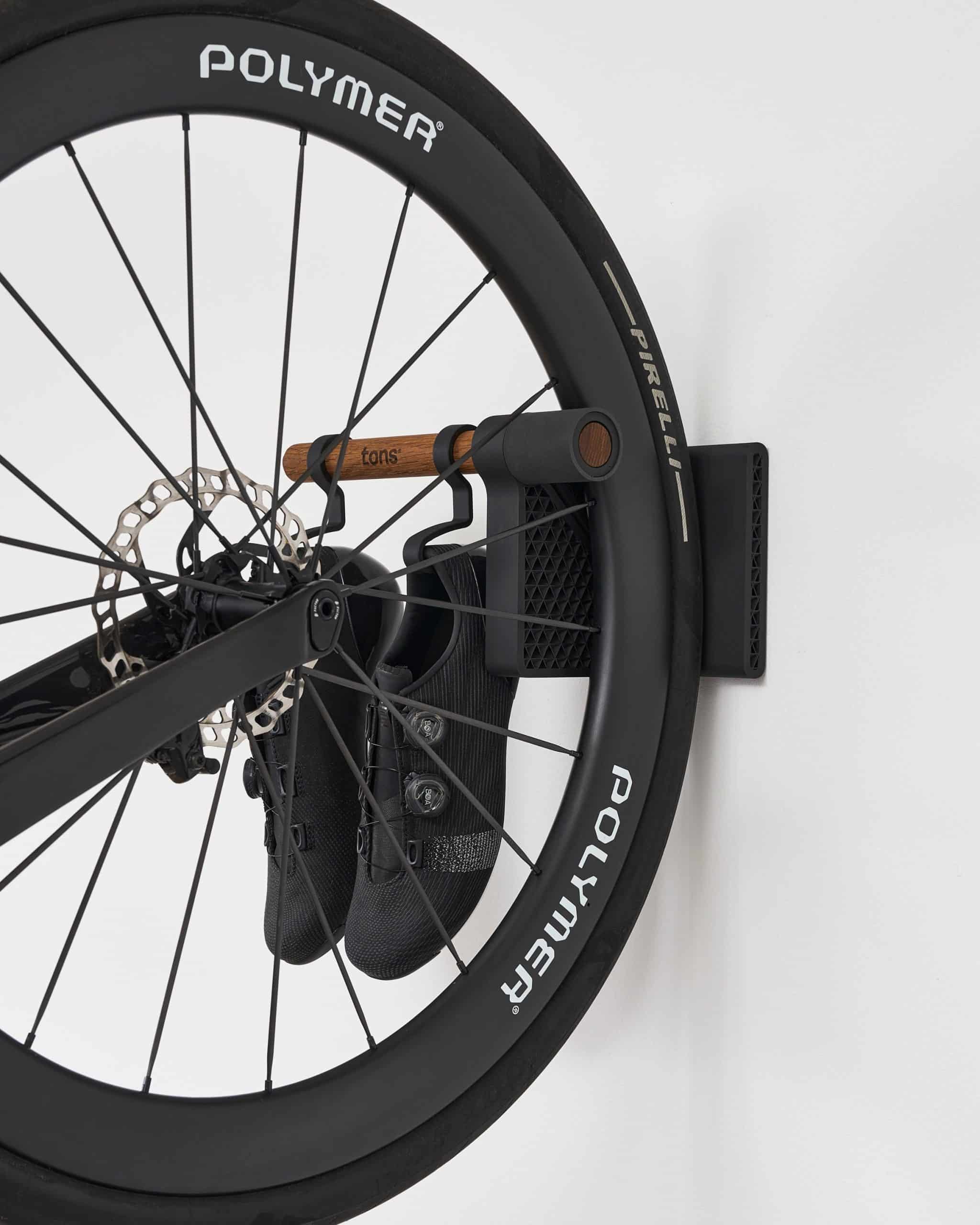
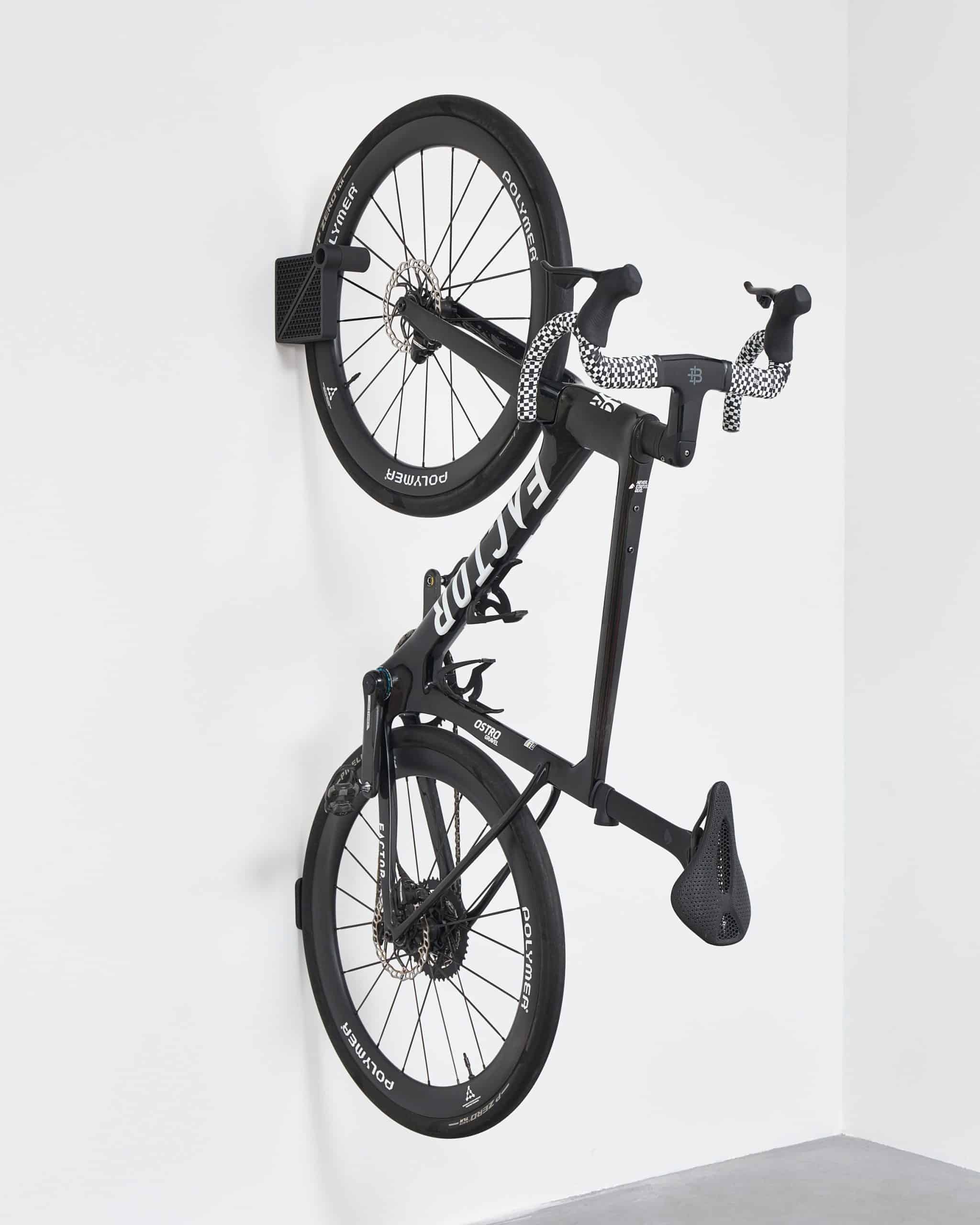
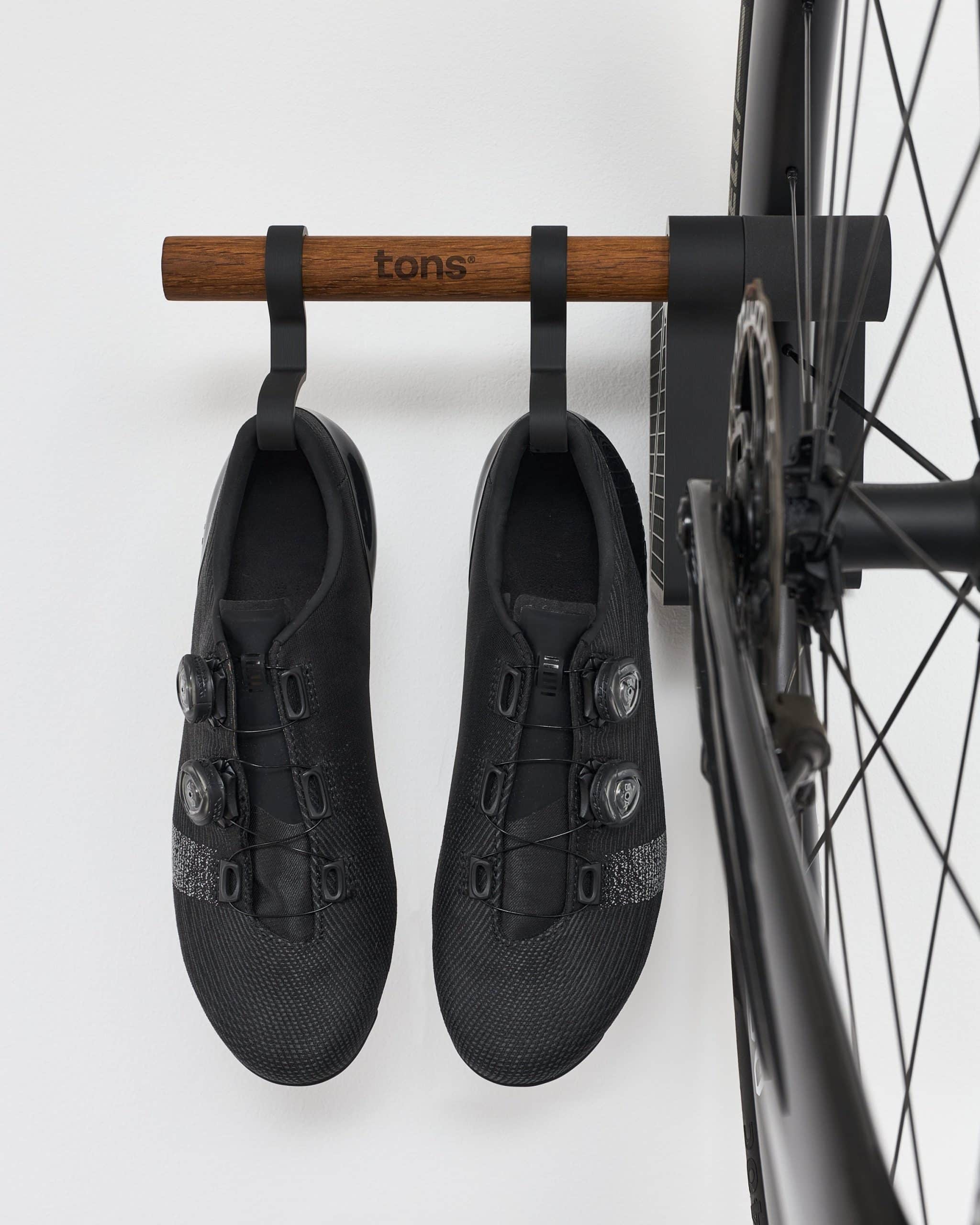
A road bike hangs from its front wheel, a pair of cycling shoes rests on an oak bar just below, and that is it. No hooks borrowed from a garage, no tangle of straps. Tons, a small Danish brand, has built its whole catalogue on one simple idea: the things we ride with deserve a place in the house, not in a corner of the cellar.
Tons makes wall mounts, stands and organisers for cyclists, all designed and made in Denmark, mixing solid European oak with 3D printed parts. The result looks less like bike storage and more like furniture, which is exactly why it works in a living room, a hallway or what cyclists like to call the pain cave.
Off the floor
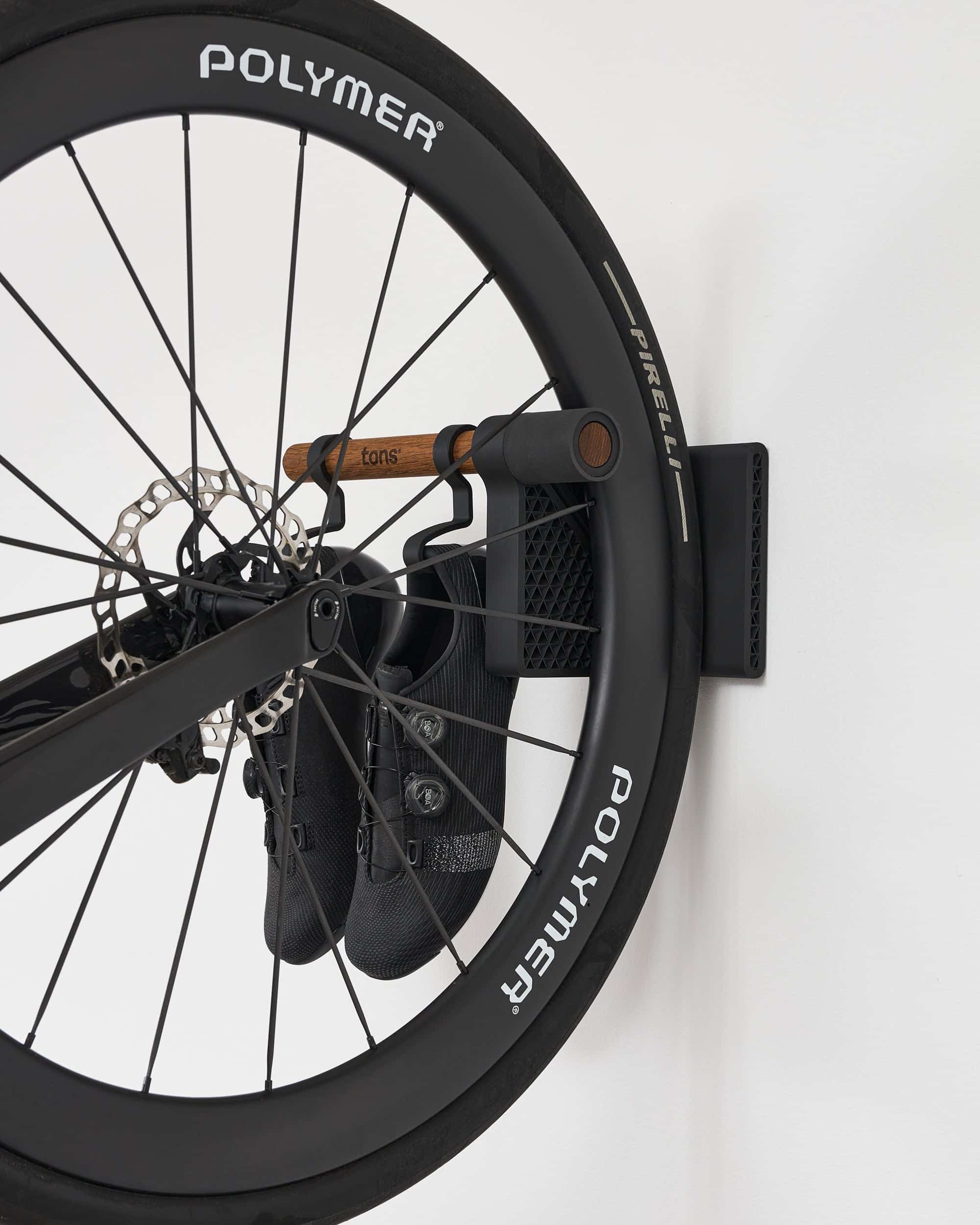
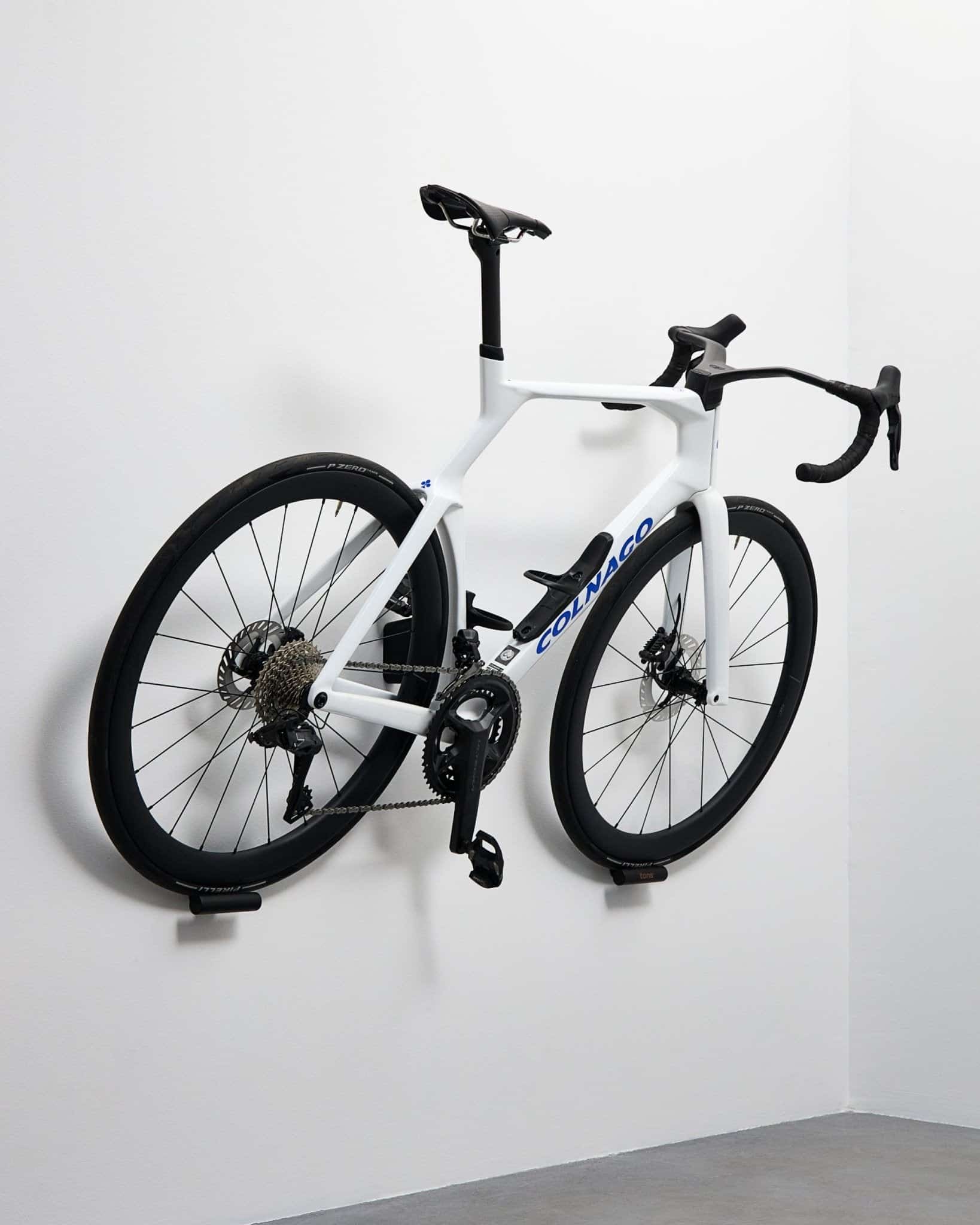
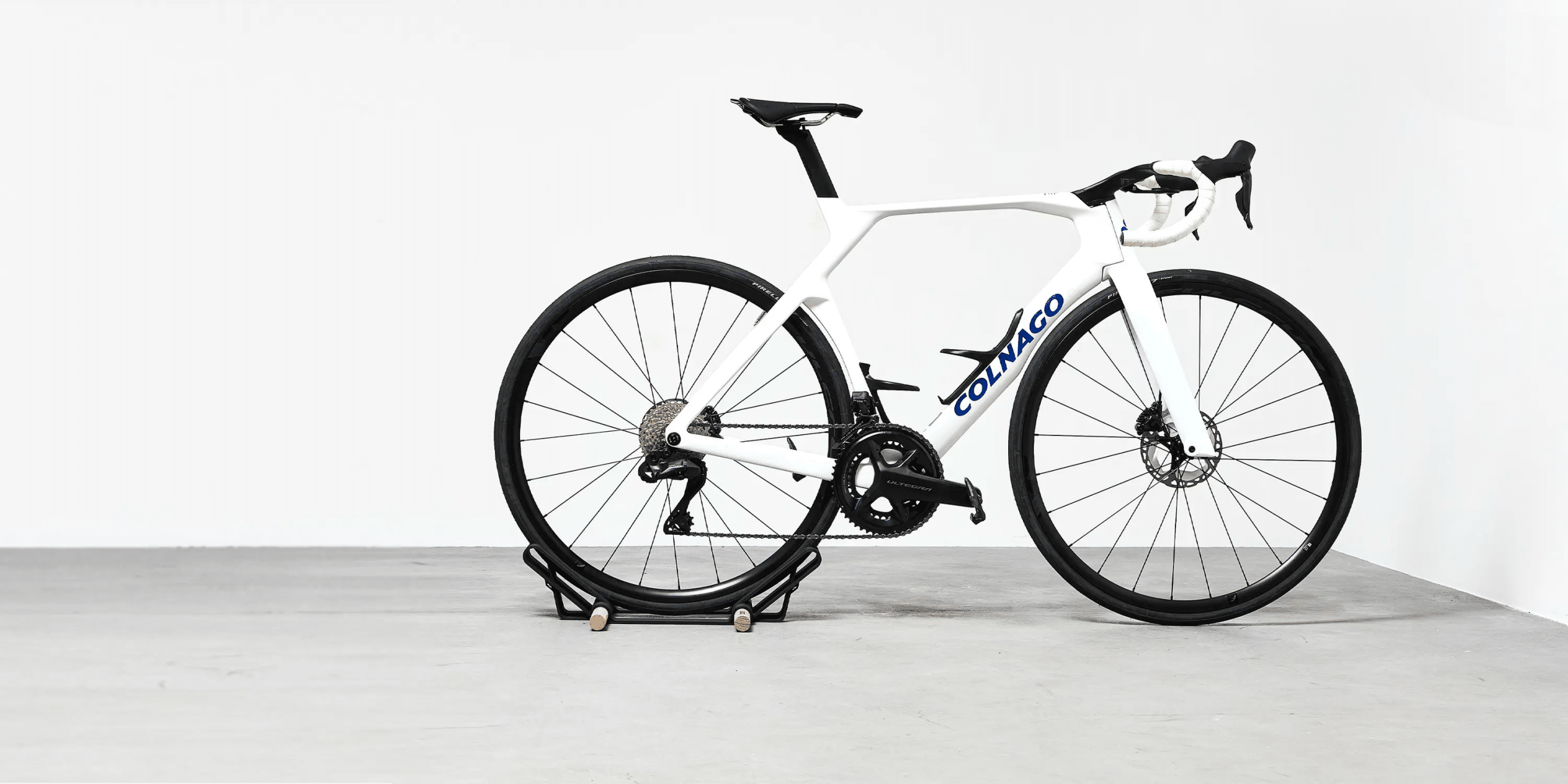
The Bike Rack hangs the bike vertically by the front wheel, with 3D printed foam to protect the rim and a pad for the rear wheel, and an optional holder for a pair of shoes. It takes road, gravel and mountain bikes up to 15 kg and costs €125 in natural oak. The Angled Wall Mount holds the bike by the pedal at a 20 degree angle, with two wheel holders, for €100, while the Bike Stand, €190, needs no wall at all: a low frame in solid oak with adjustable wheel holders for road and gravel bikes.
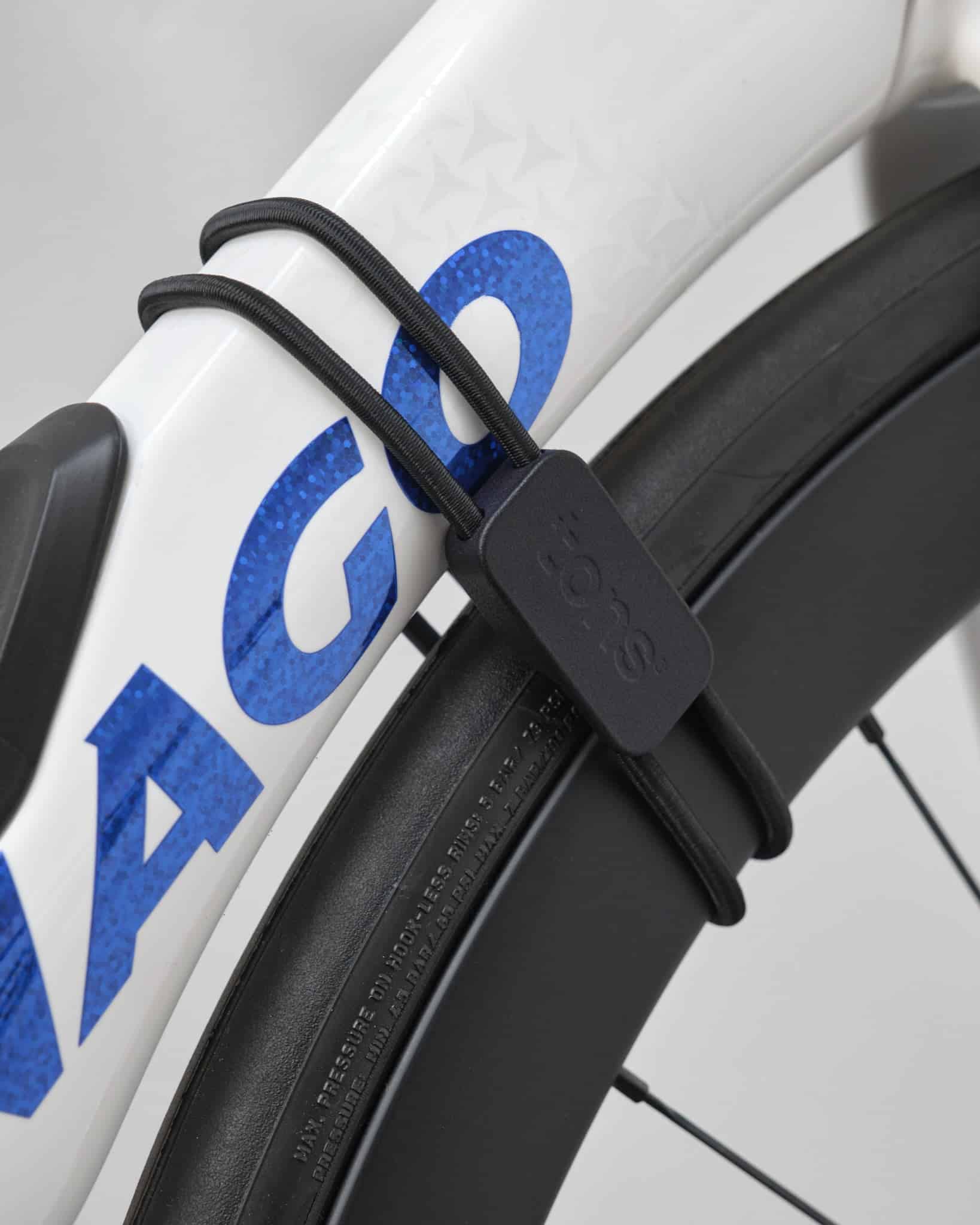
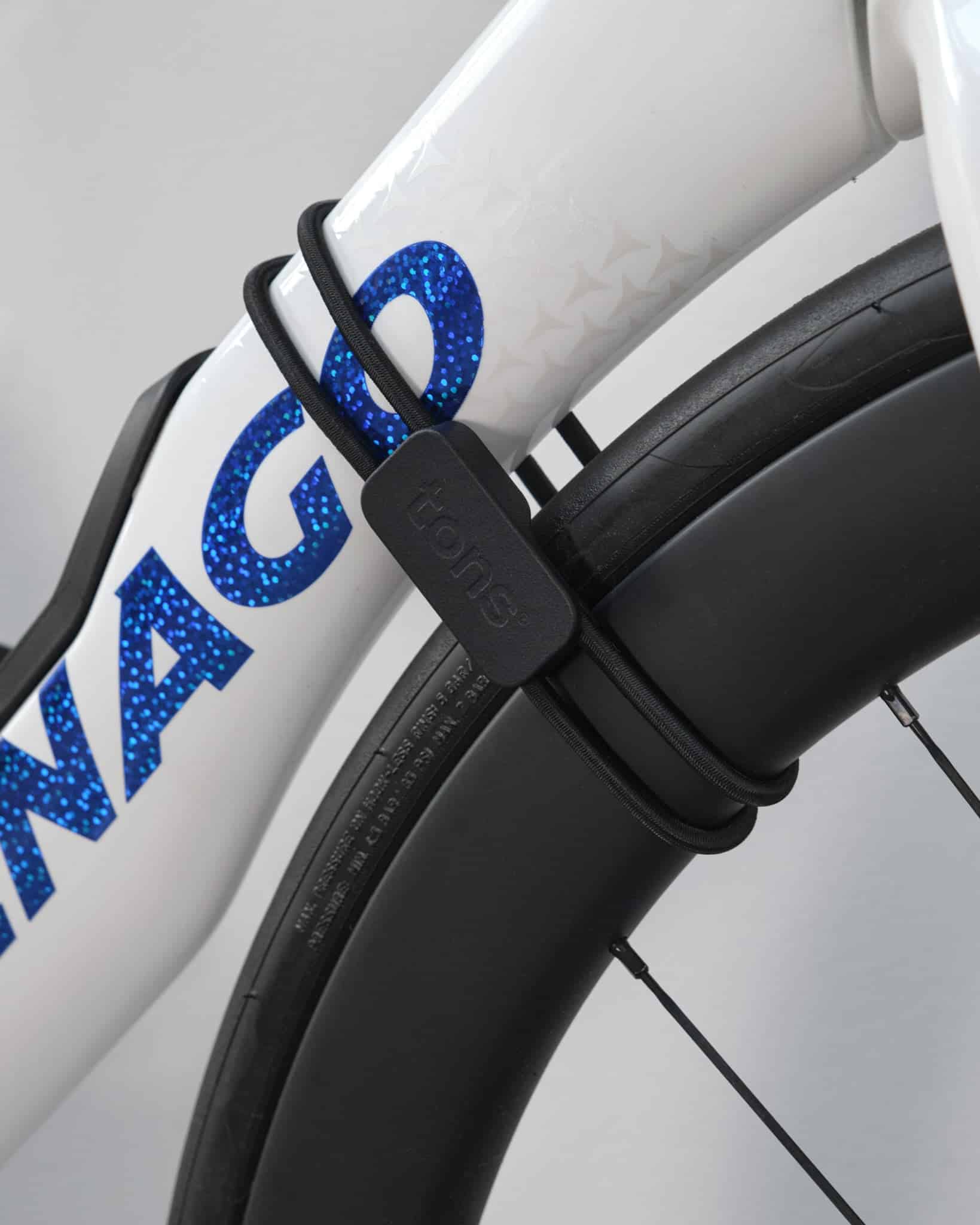
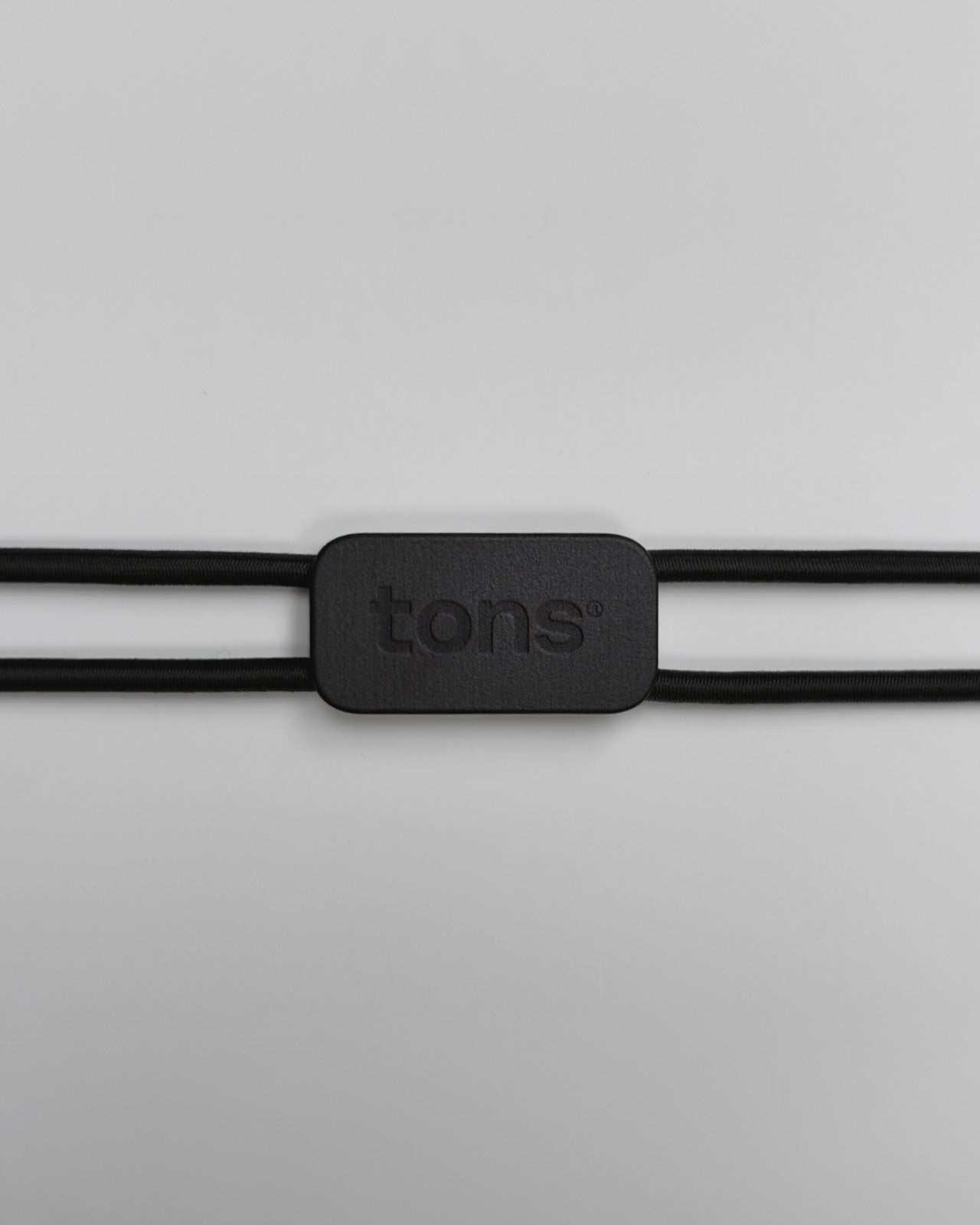
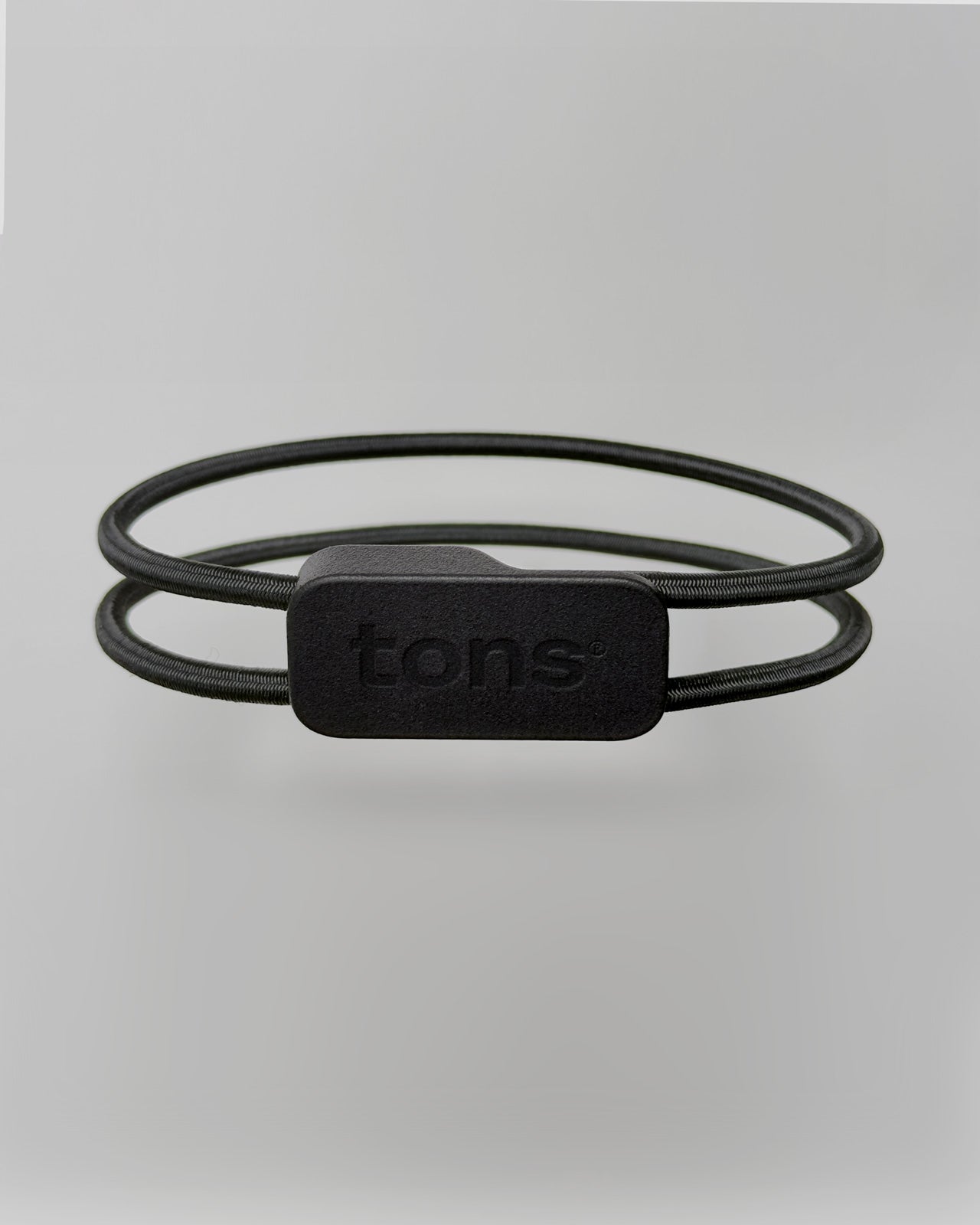
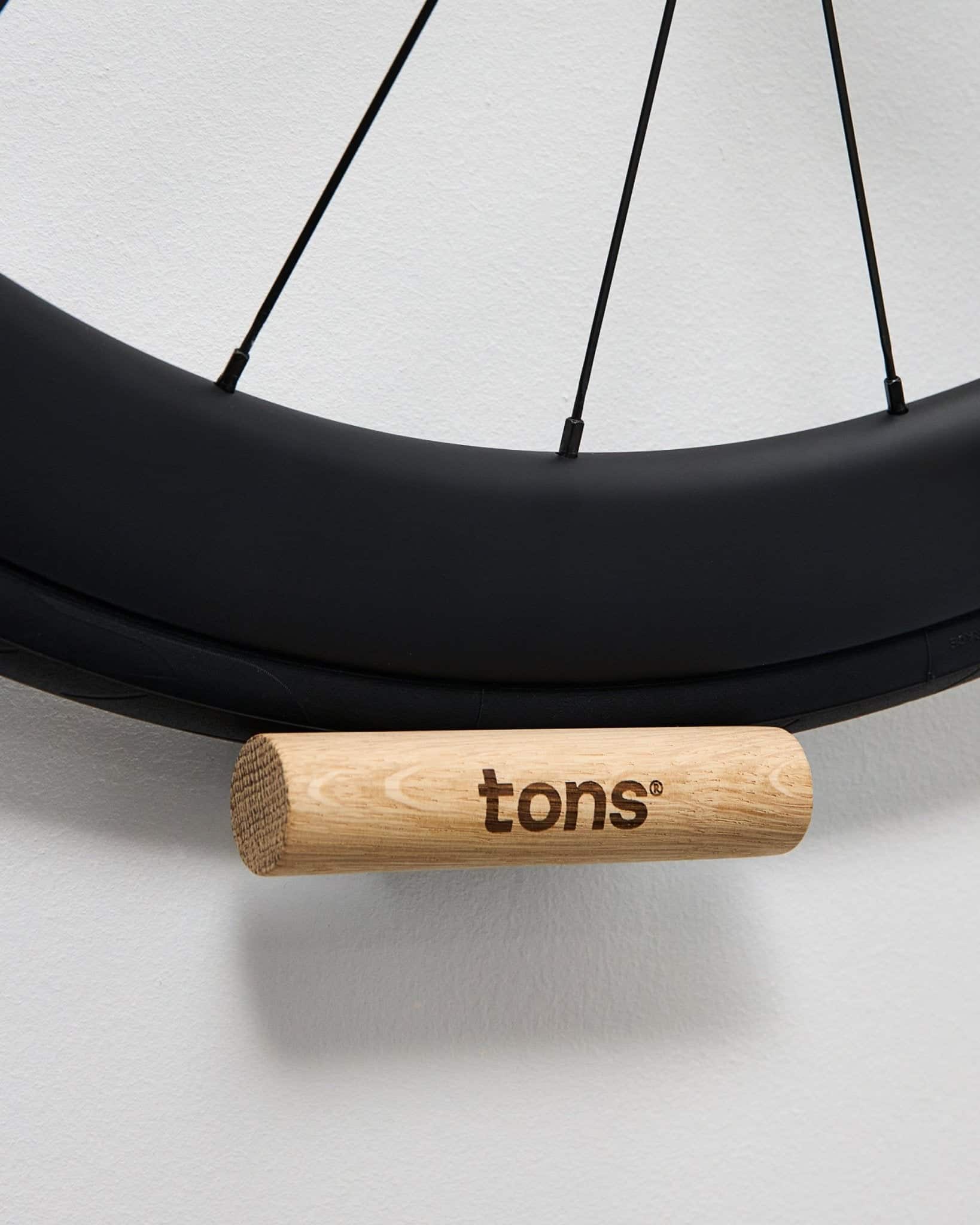
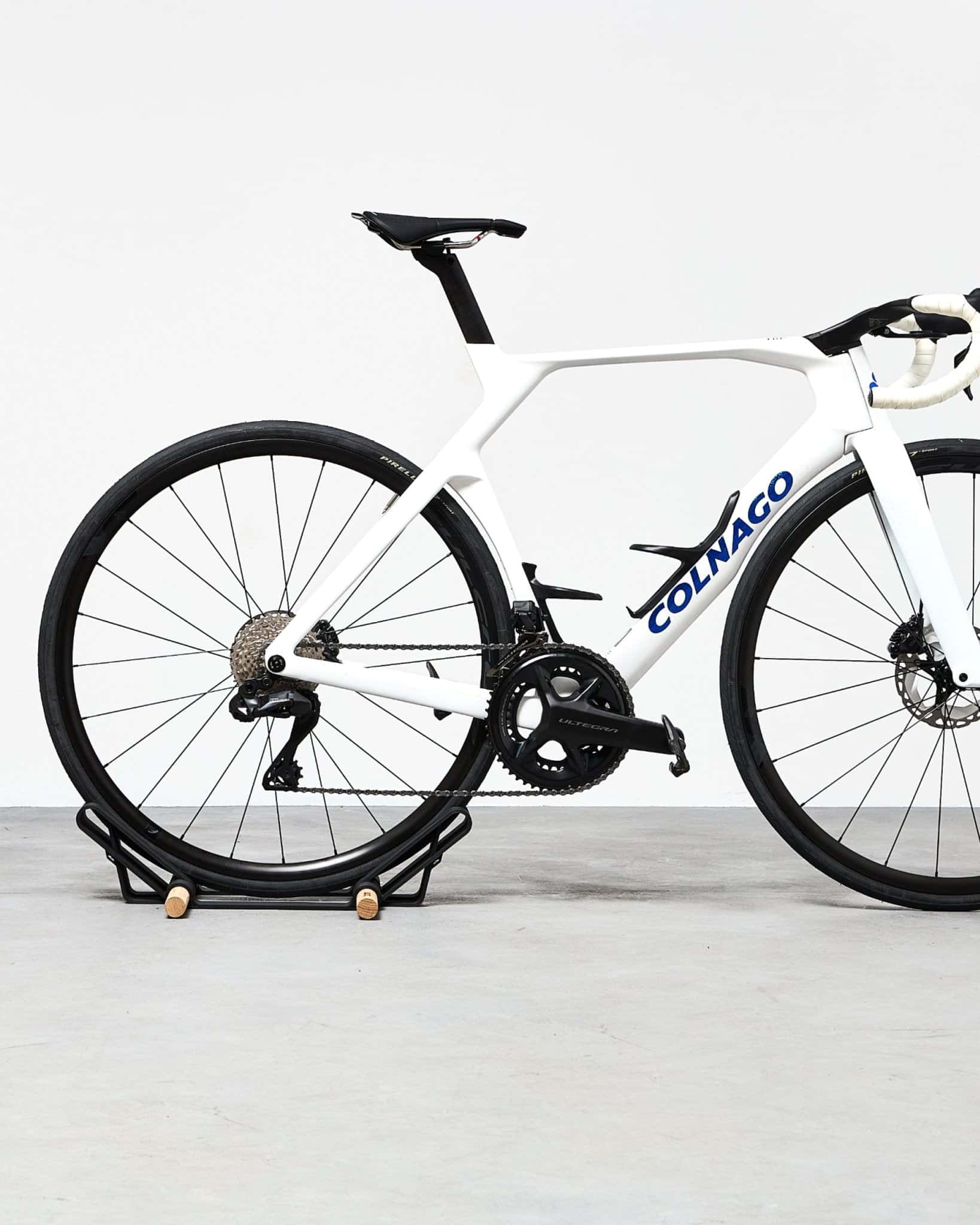
Racks and organisers, the heart of Tons
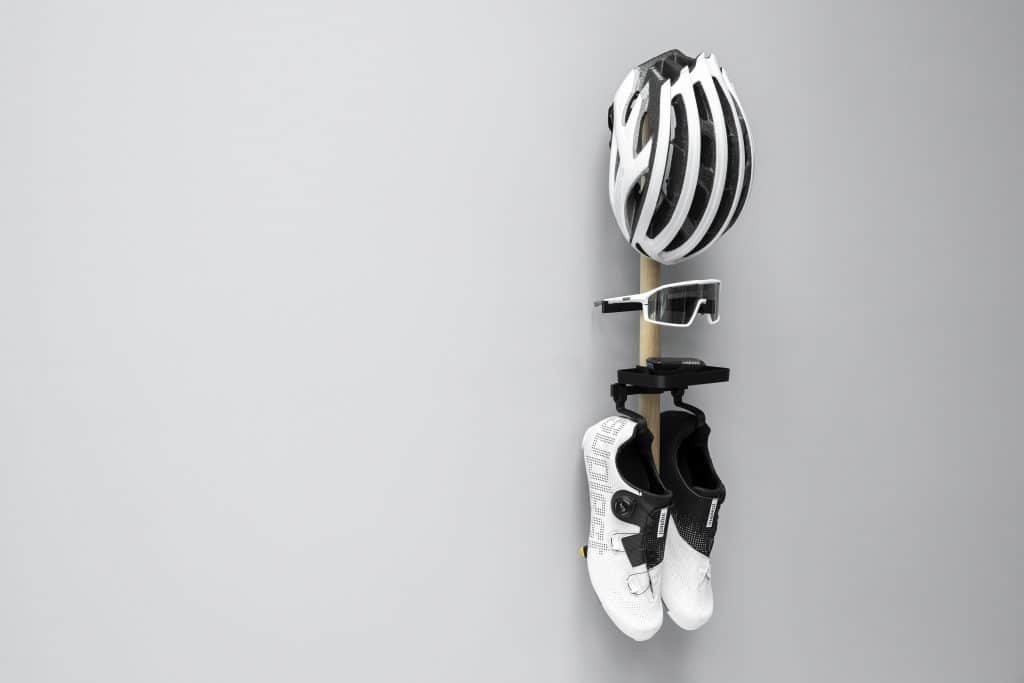
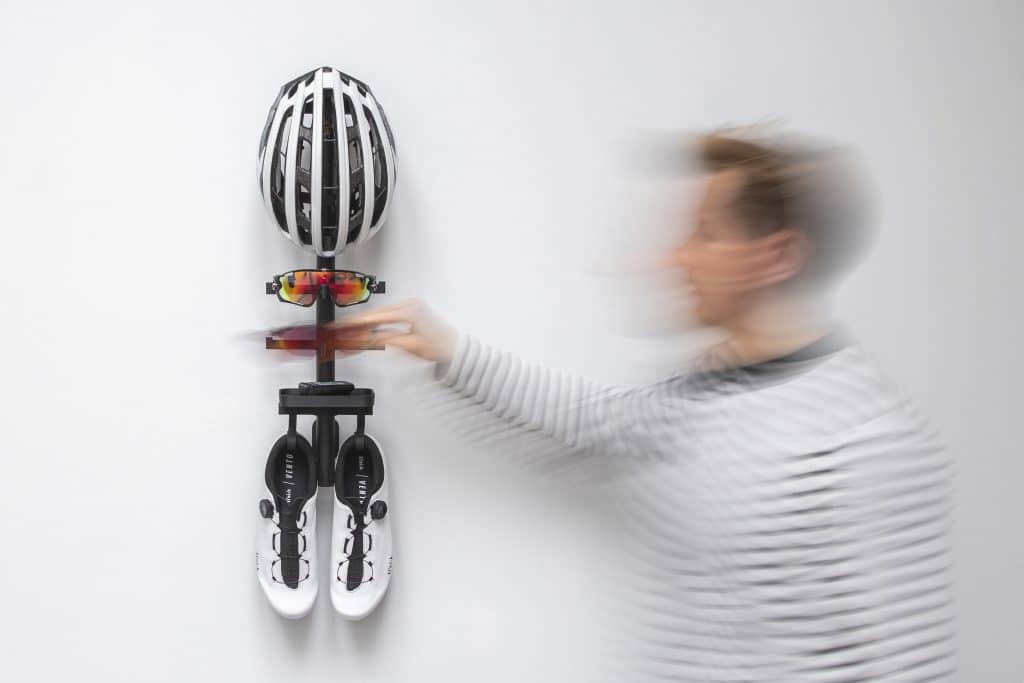
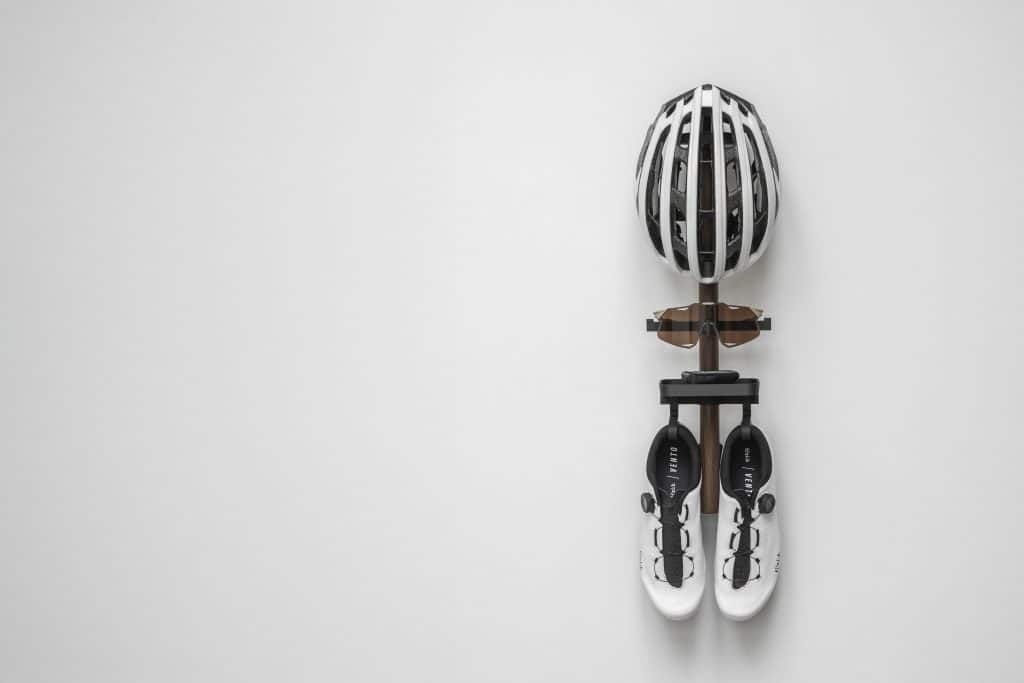
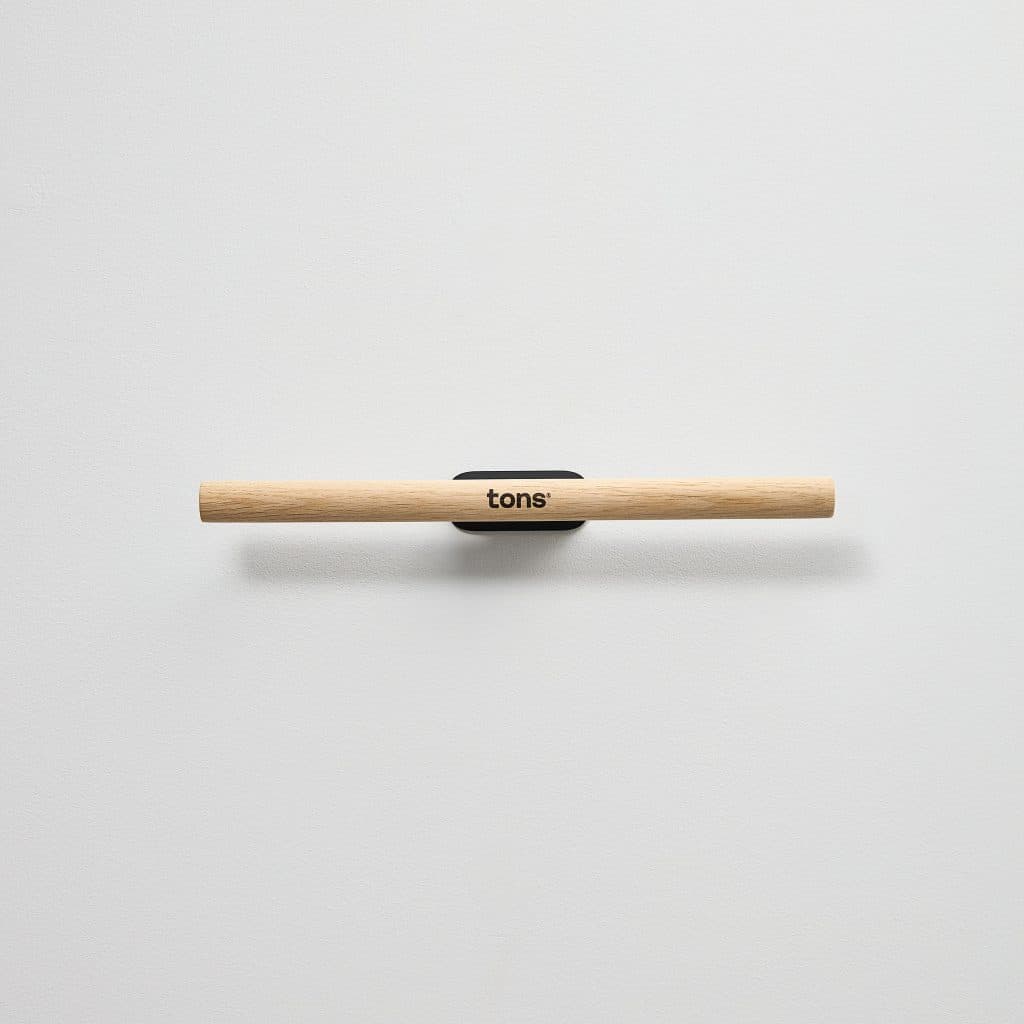
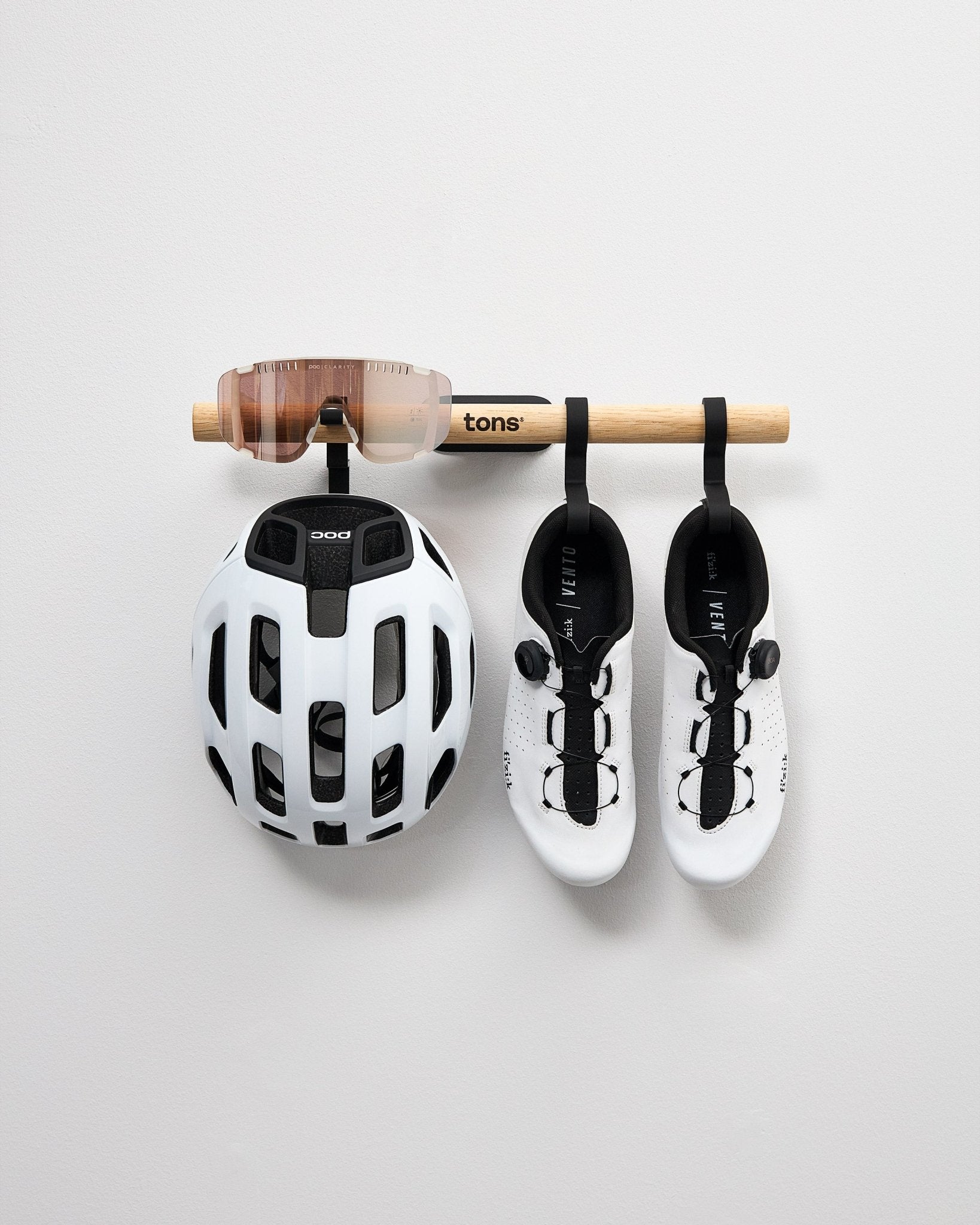
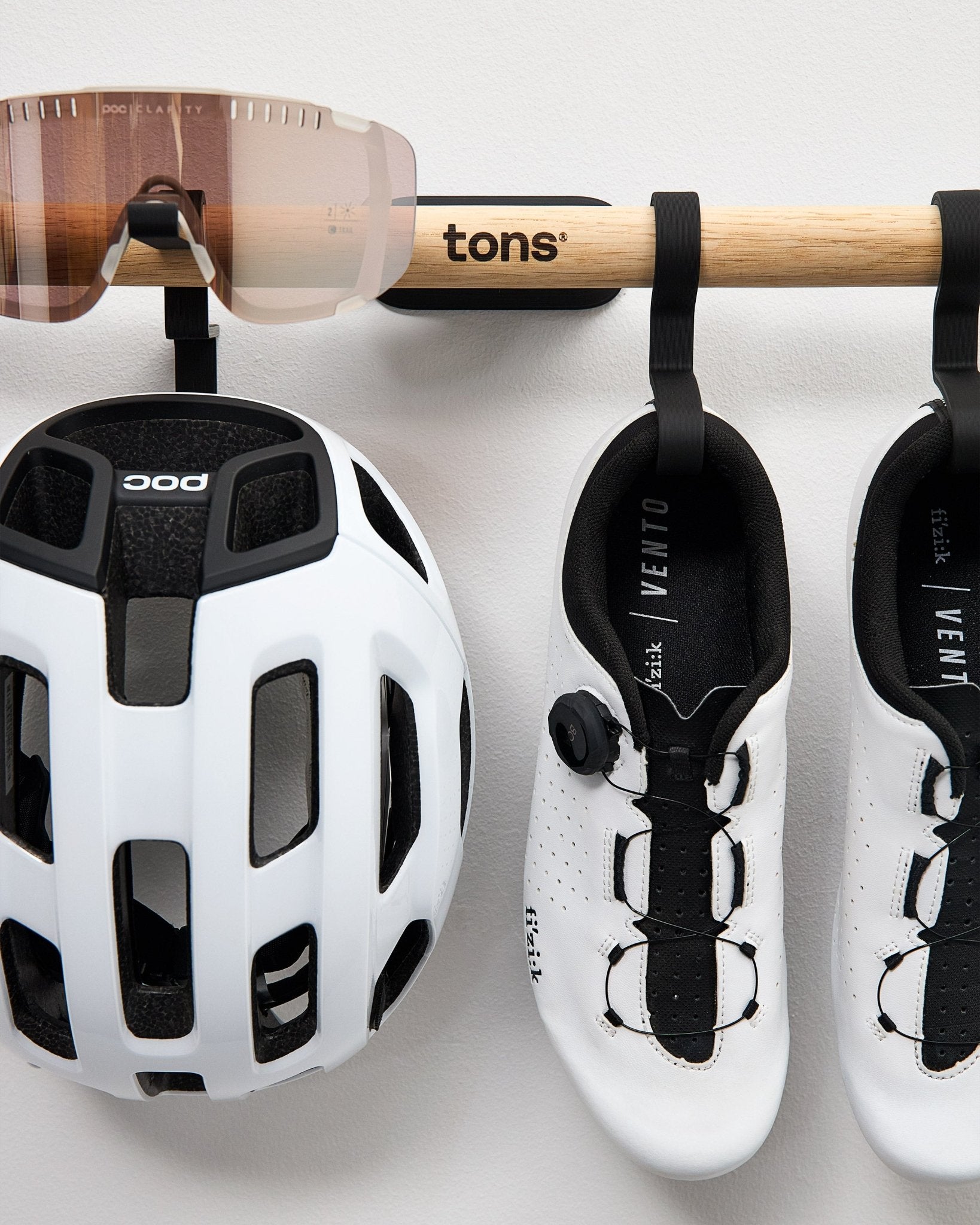
Then come the small things that always end up on a chair: helmet, glasses, shoes, the cycling computer still blinking on the kitchen table. This is where Tons started, and where its design language is clearest: a single rod of solid European oak, a few 3D printed holders in matt black, and the wall does the rest. Every piece comes in natural oak, smoked oak or matt black, and the holders are combined so the rack fits your kit, not the other way round.
The Rack, vertical
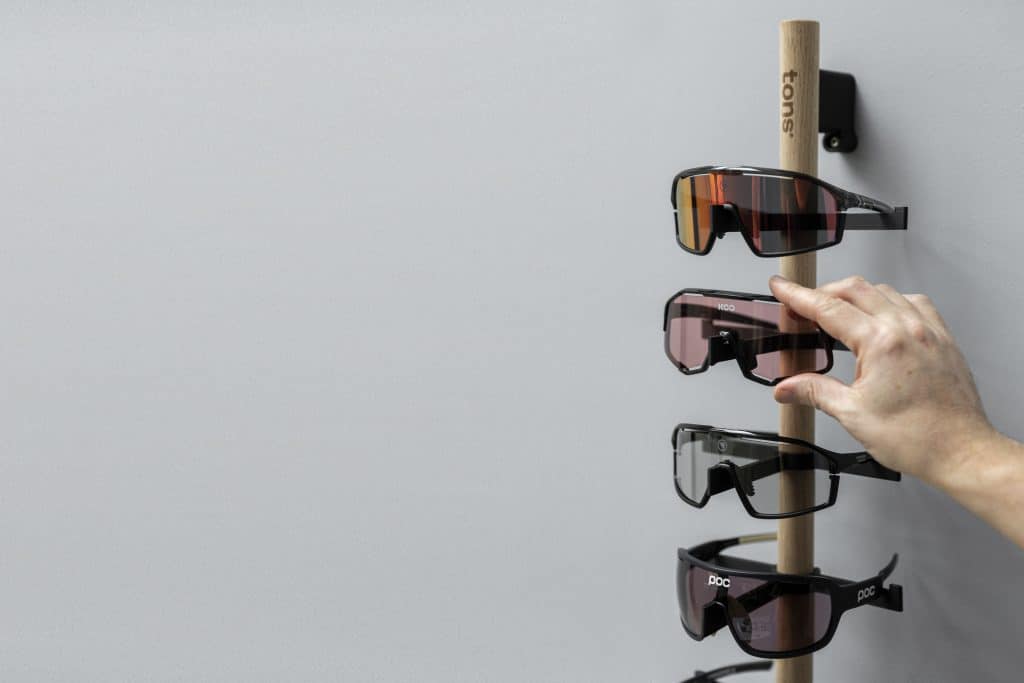
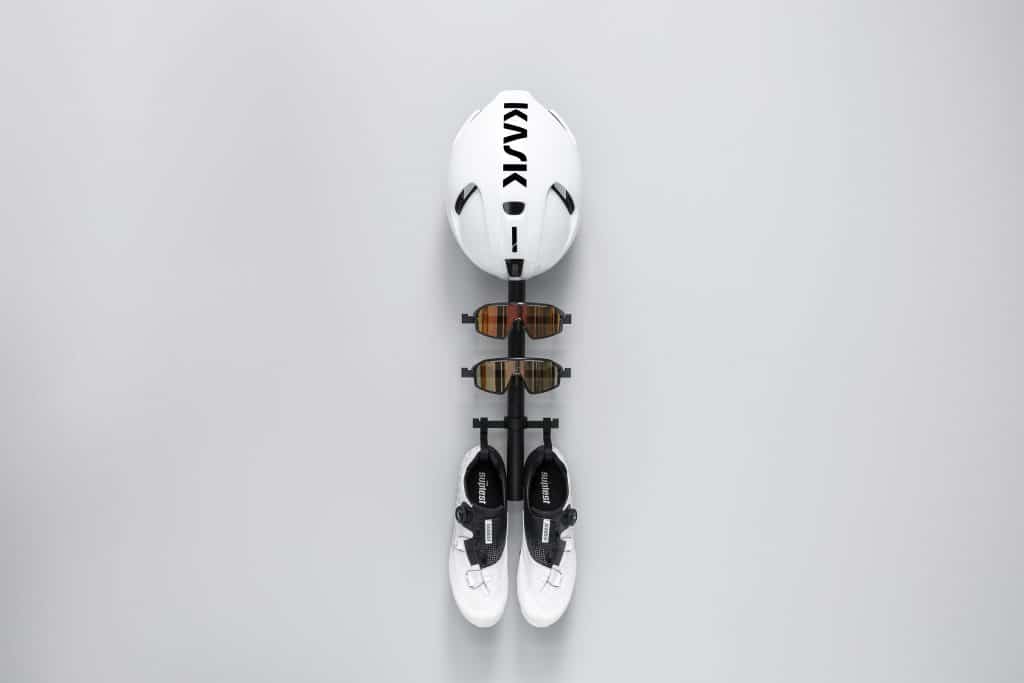
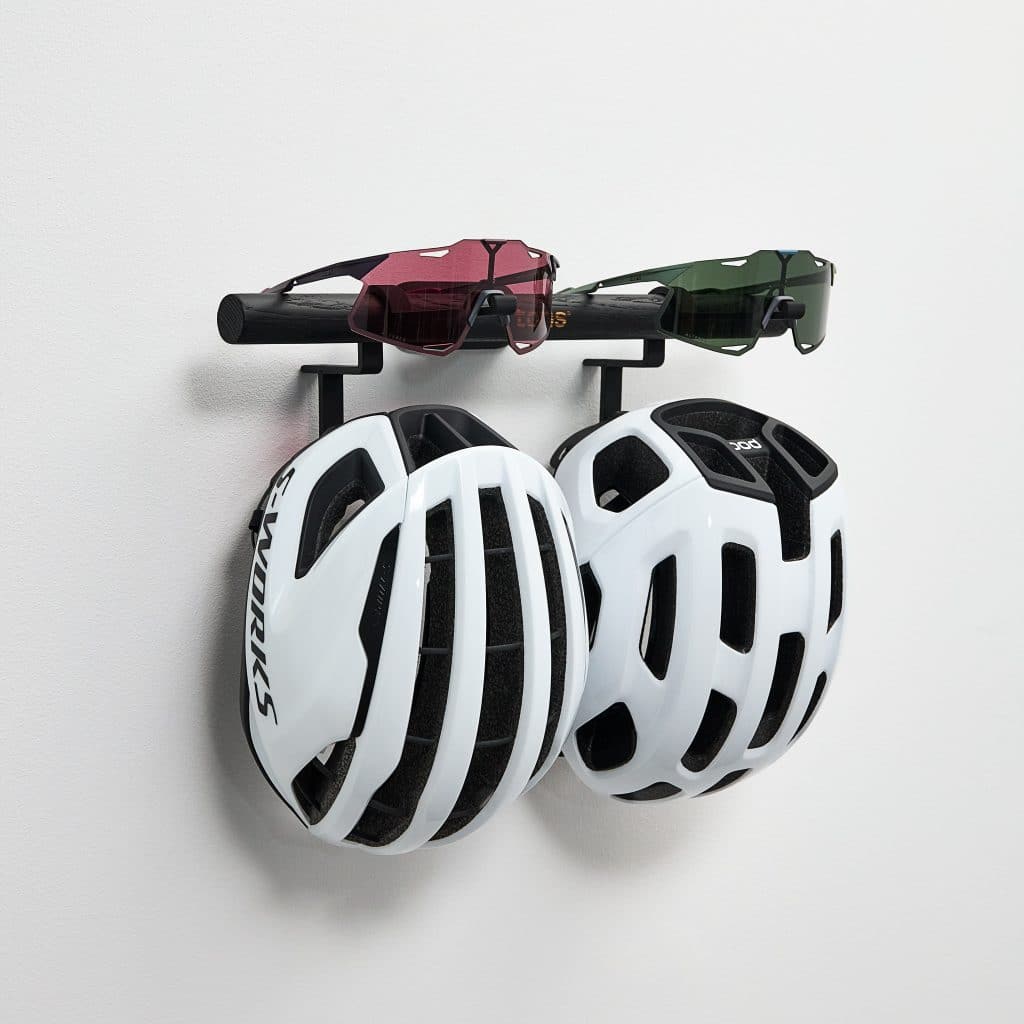
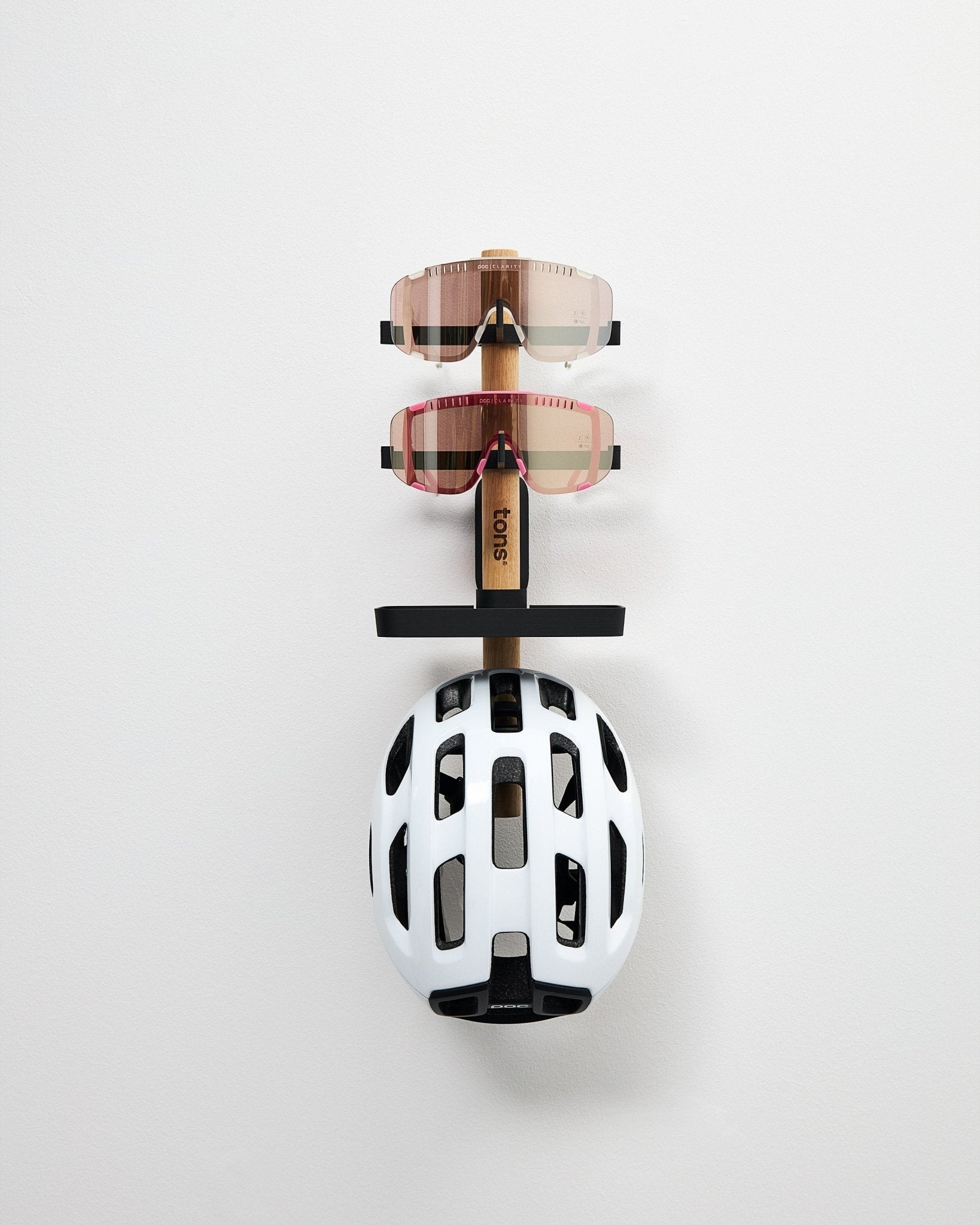
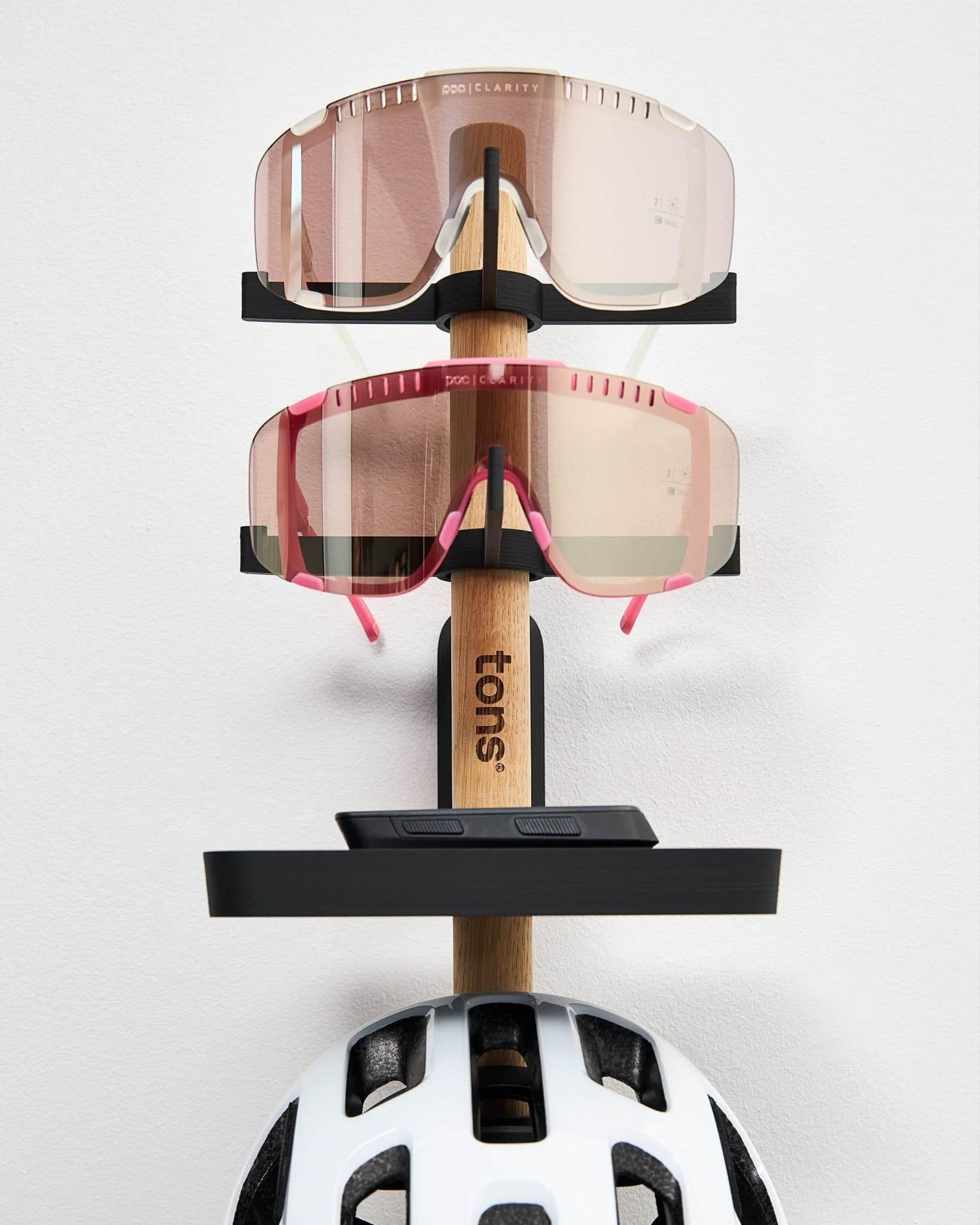
The Rack is a 60 cm oak rod that hangs vertically, so the whole kit lines up in a narrow strip of wall: helmet on top, glasses in the middle, shoes at the bottom, with an optional tray for the cycling computer. There are six configurations, from the Rack A with shoes, glasses and helmet (€120) to the Rack D with shoes, two pairs of glasses, helmet and tray (€140), plus the Rack E, a column for five pairs of glasses (€130).
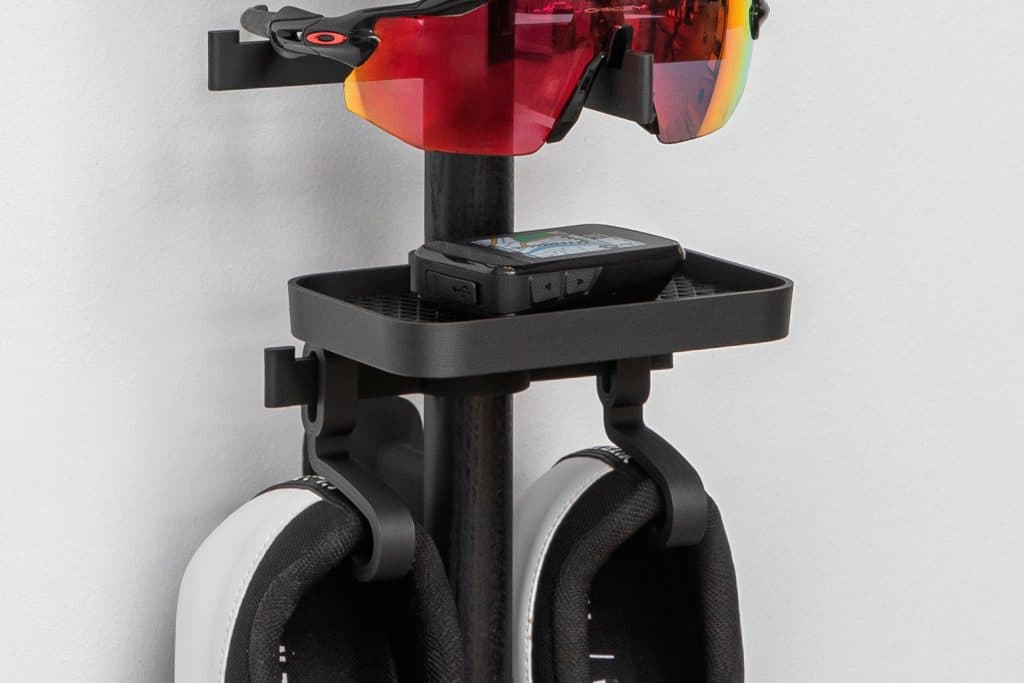
The Bar, horizontal
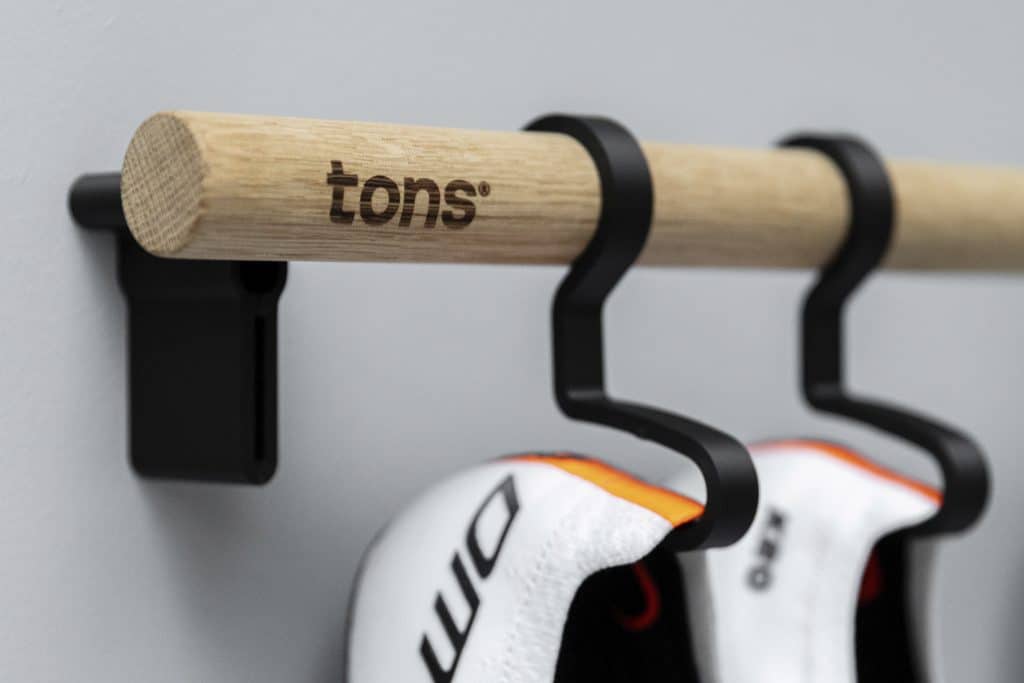
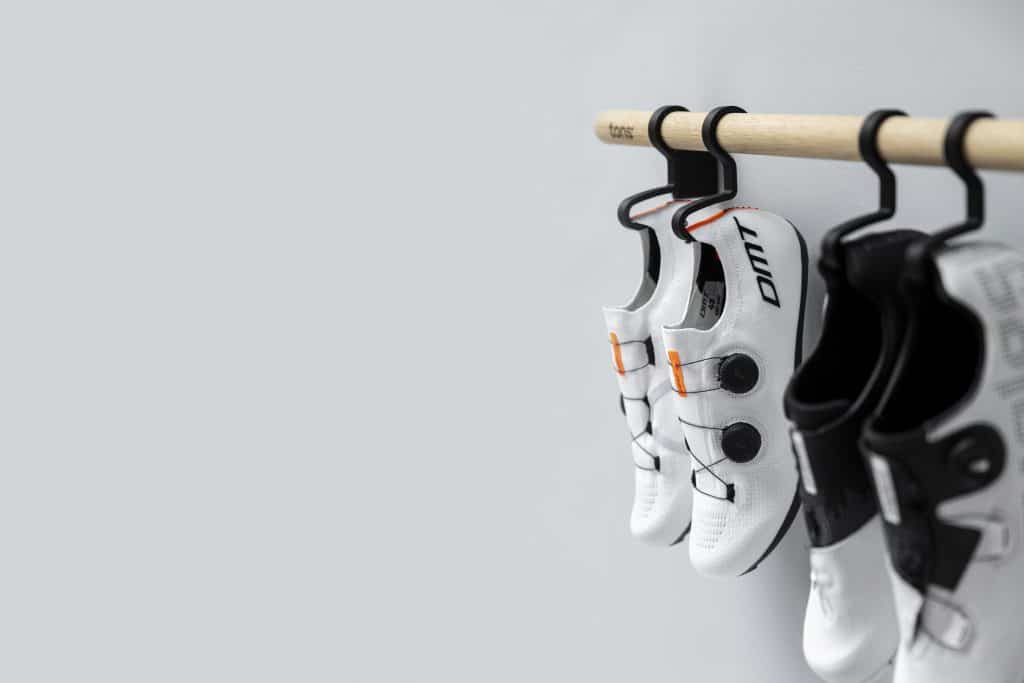
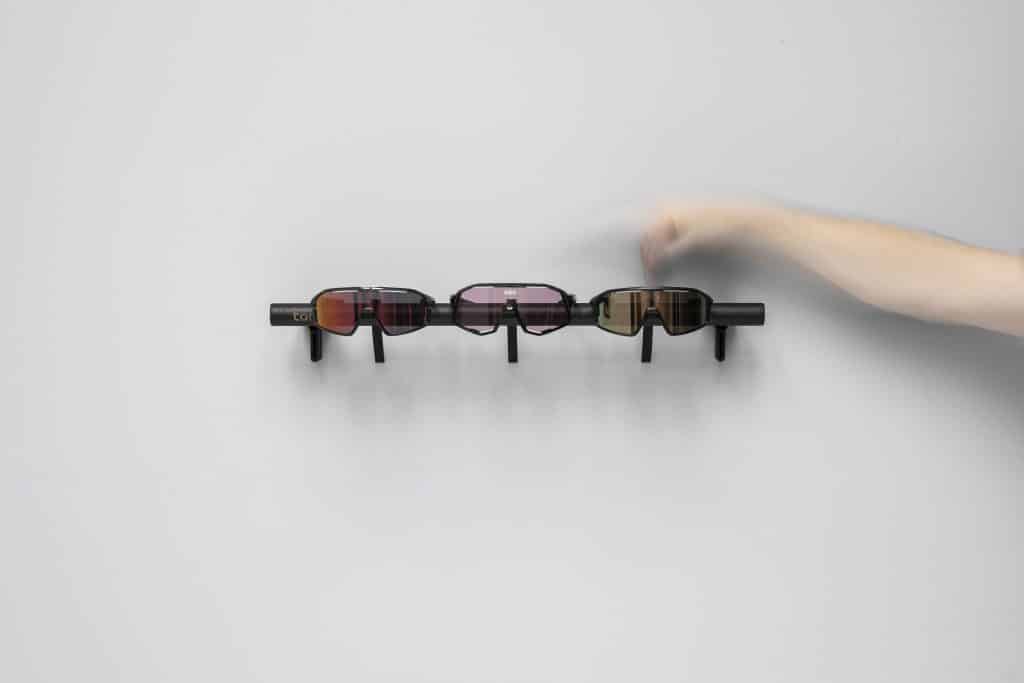
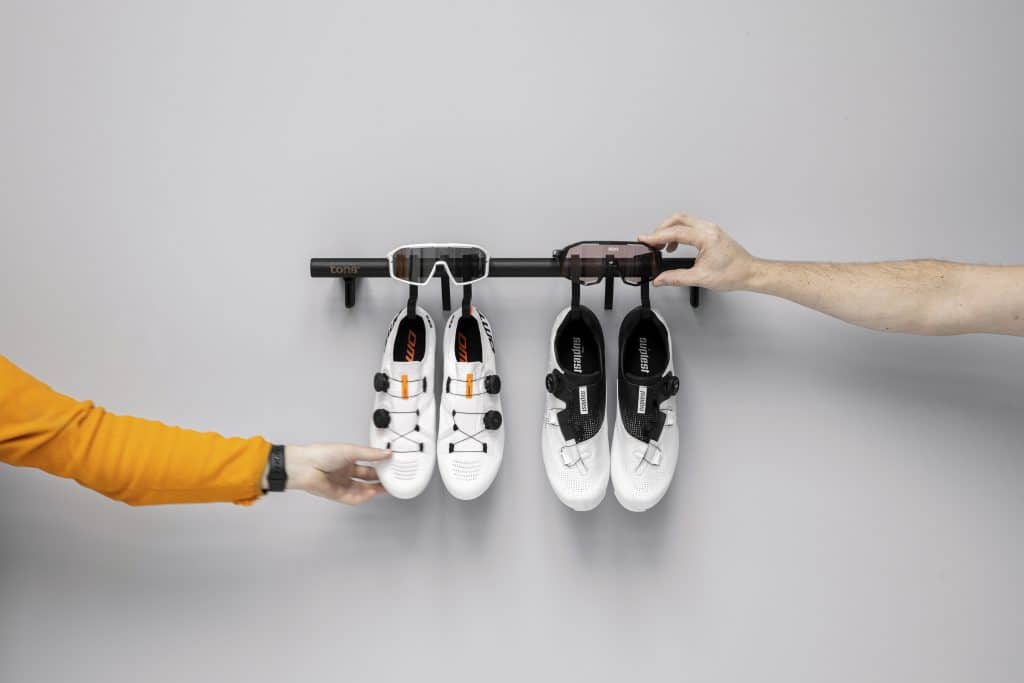
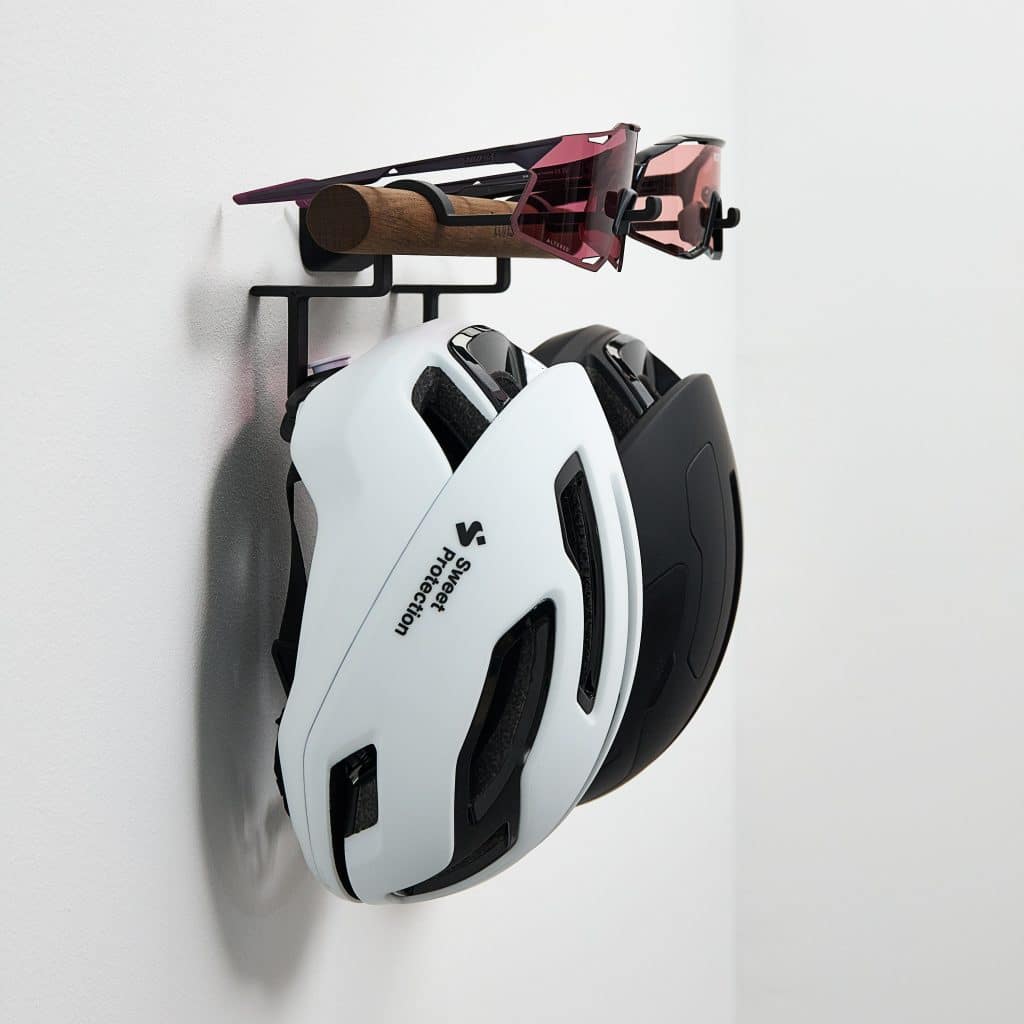
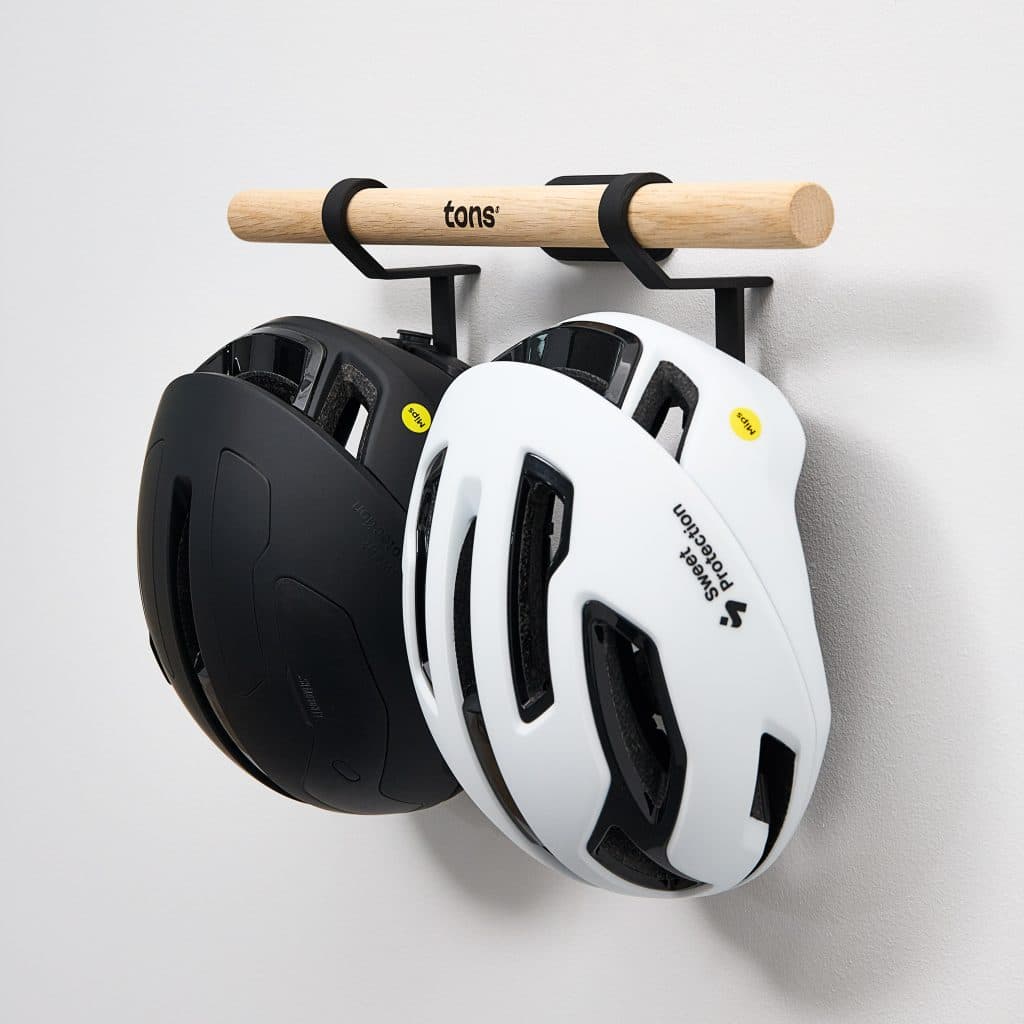
The Bar is the same 60 cm rod turned sideways, for walls that are wide rather than tall. The hooks slide along the oak and hold shoes by the heel, helmets by the straps, glasses by the arms. Five versions from €120: the Bar C takes two pairs of shoes, the Bar D three pairs of glasses, the Bar E two pairs of glasses and two pairs of shoes (€130).
Short Bar and Short Rack, the award winners
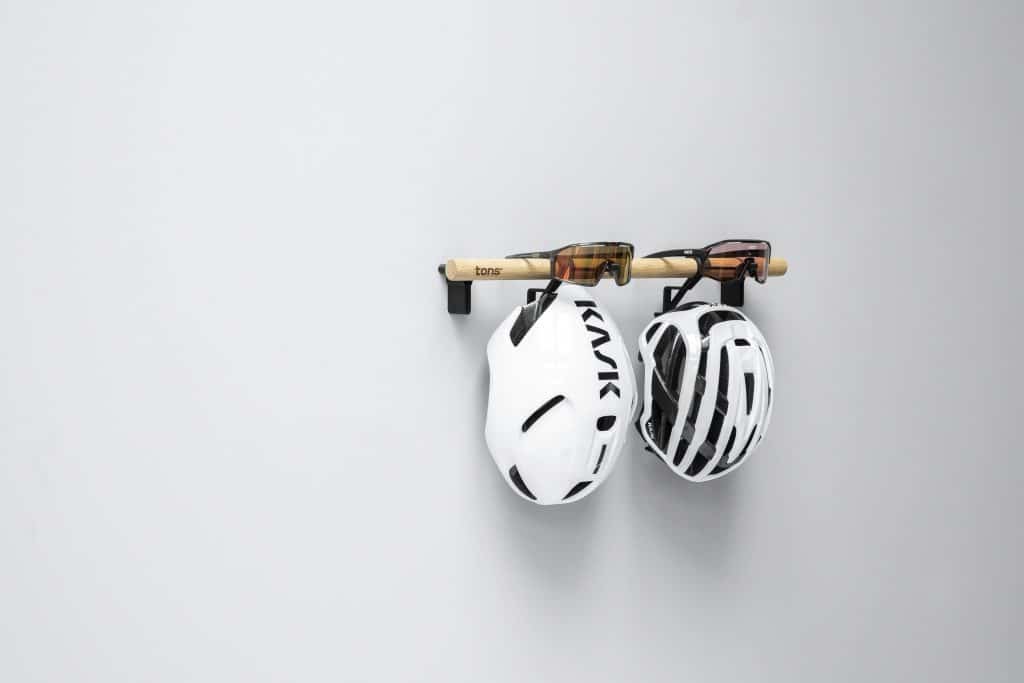
The shorter versions are the ones that brought Tons its design prize. The Short Bar and the Short Rack received an iF Design Award 2026, the international prize run by iF International Forum Design in Hannover and judged by an independent jury. It is the only award Tons has entered so far. Both are 42 cm rods for smaller spaces: a hallway, the side of a wardrobe, the wall next to the trainer. The Short Bar D holds a pair of shoes, glasses and a helmet, the Short Bar A two helmets and two pairs of glasses, both €100. The Short Rack A stacks two pairs of glasses, a helmet and a small tray for €110, the Short Rack C four pairs of glasses for €100. They can be screwed in or stuck on with adhesive pads, which makes them one of the few cycling accessories you can put up in a rented flat.
For the desk and the wardrobe
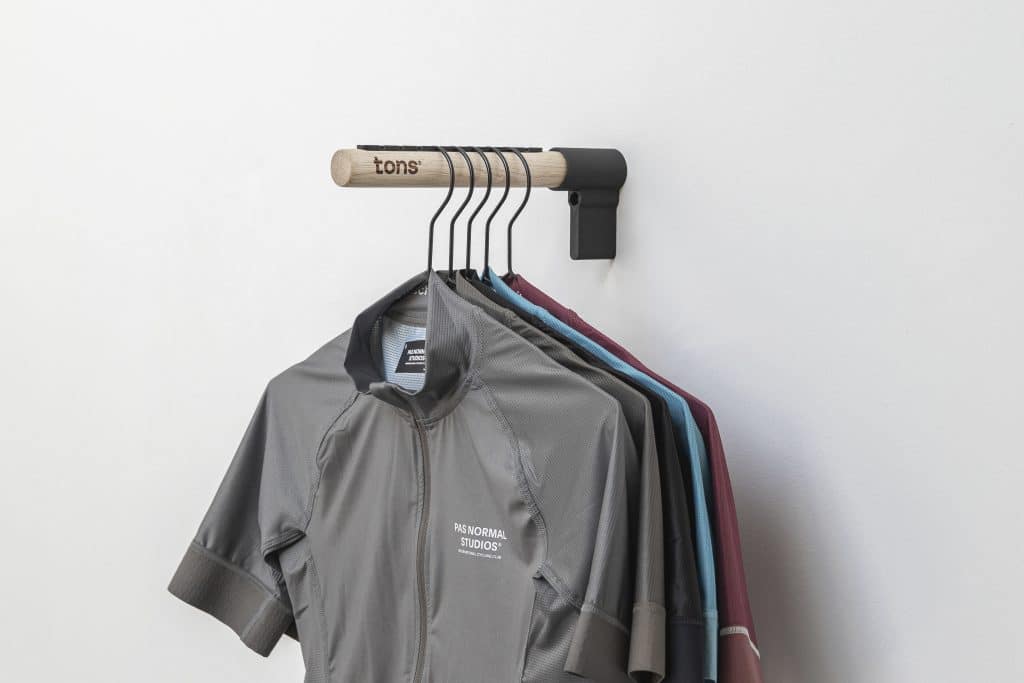
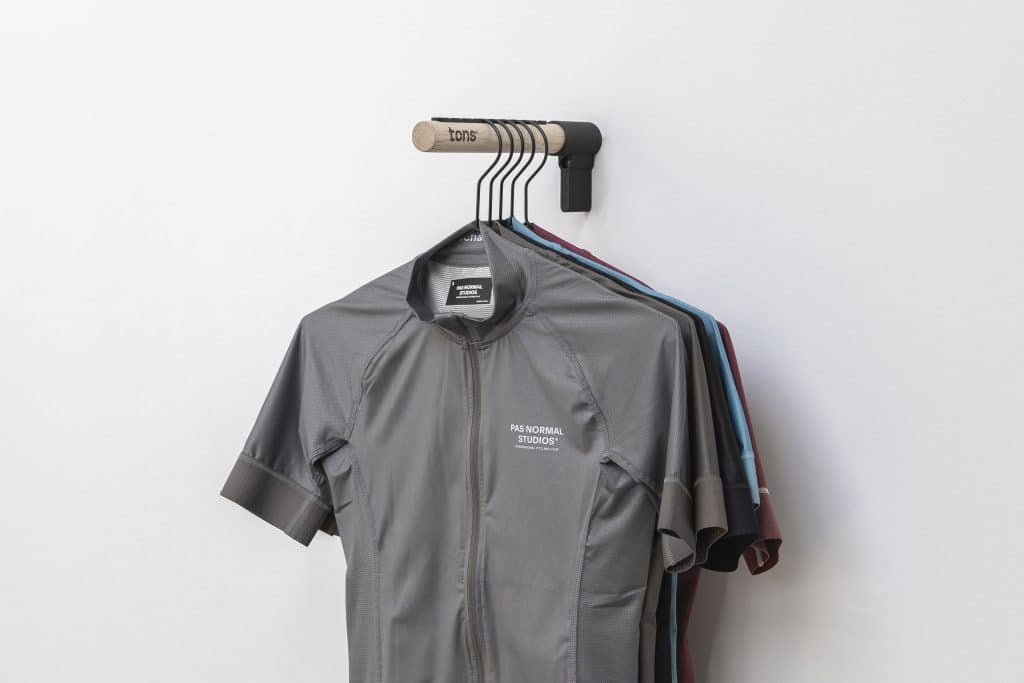
Three smaller pieces complete the system. The Desk Organiser is an oak rod on a base for up to three pairs of glasses, with adjustable spacing and a tray for your own charging setup (€75, or €80 with the tray). The Jersey Hanger is a wall rod with room for nine jerseys on their hangers, so the kit for the next ride is already chosen (€70). And the Wheel Hanger keeps spare wheels off the floor on a soft 3D printed support (€50).
A climb on the wall
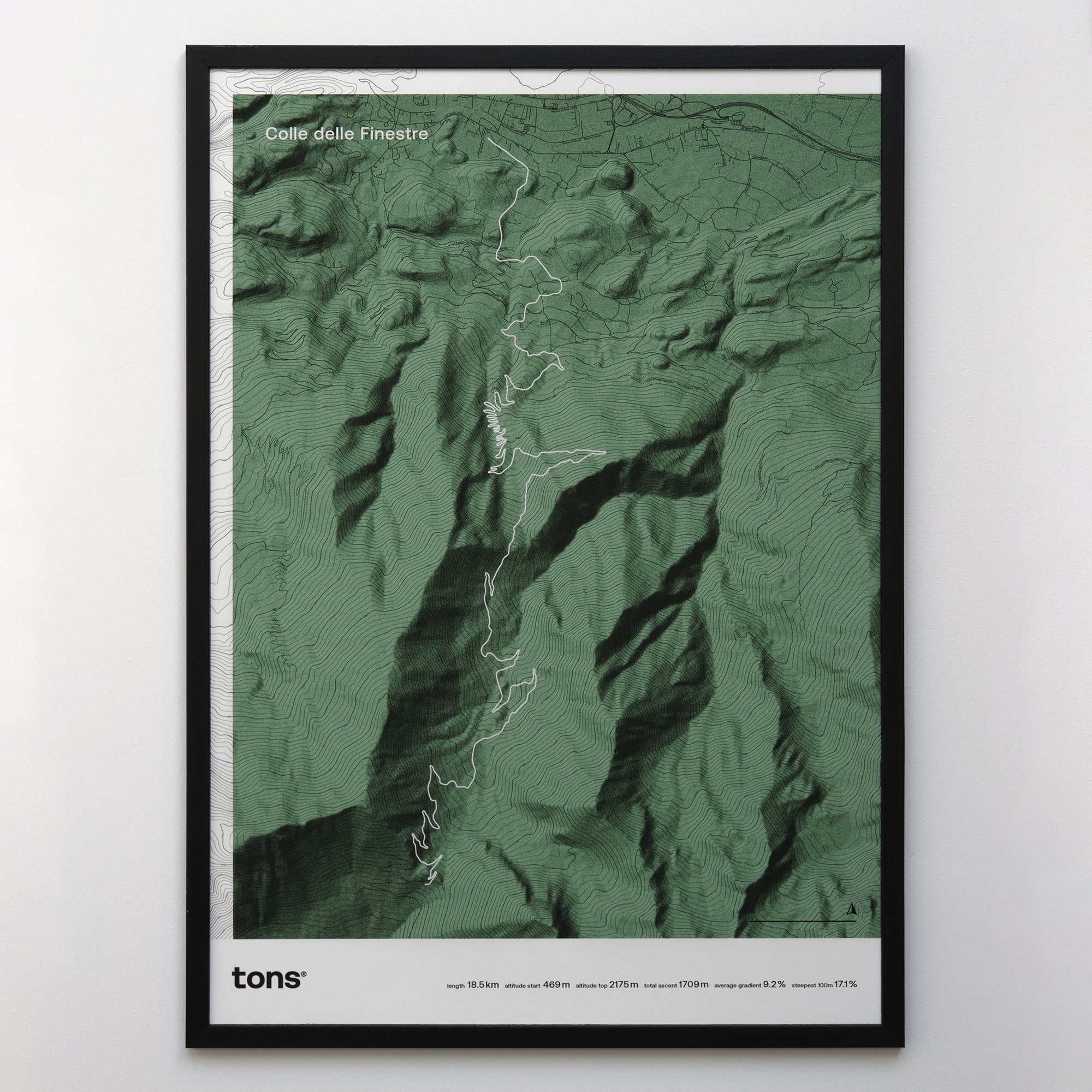
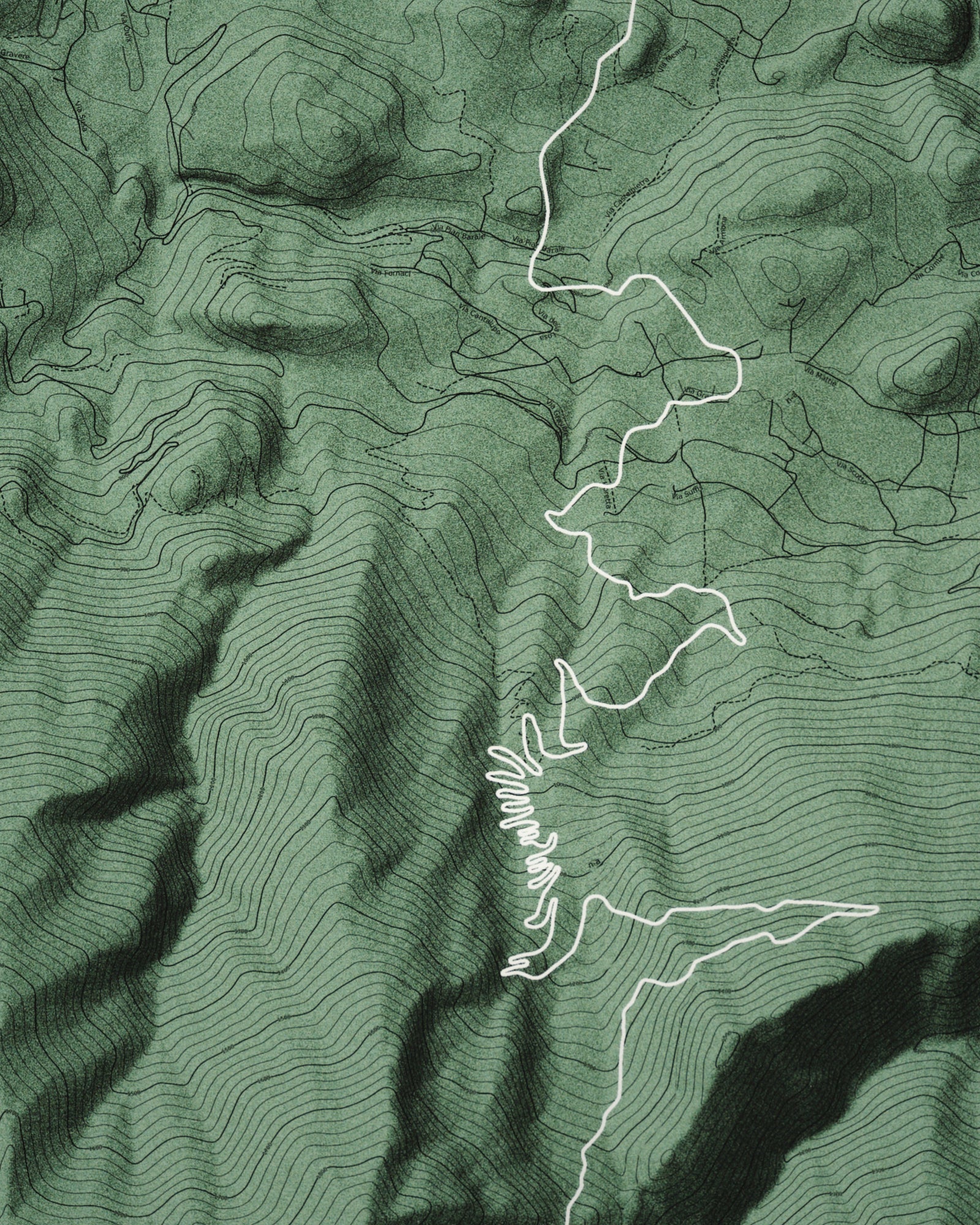
Tons also prints the great climbs of cycling as relief maps. We chose the Colle delle Finestre, the gravel giant of the Giro d’Italia, in the mountains west of Turin, our home town: a 12 colour inkjet print on Hahnemühle paper, A2 size, for €45.
For the indoor season
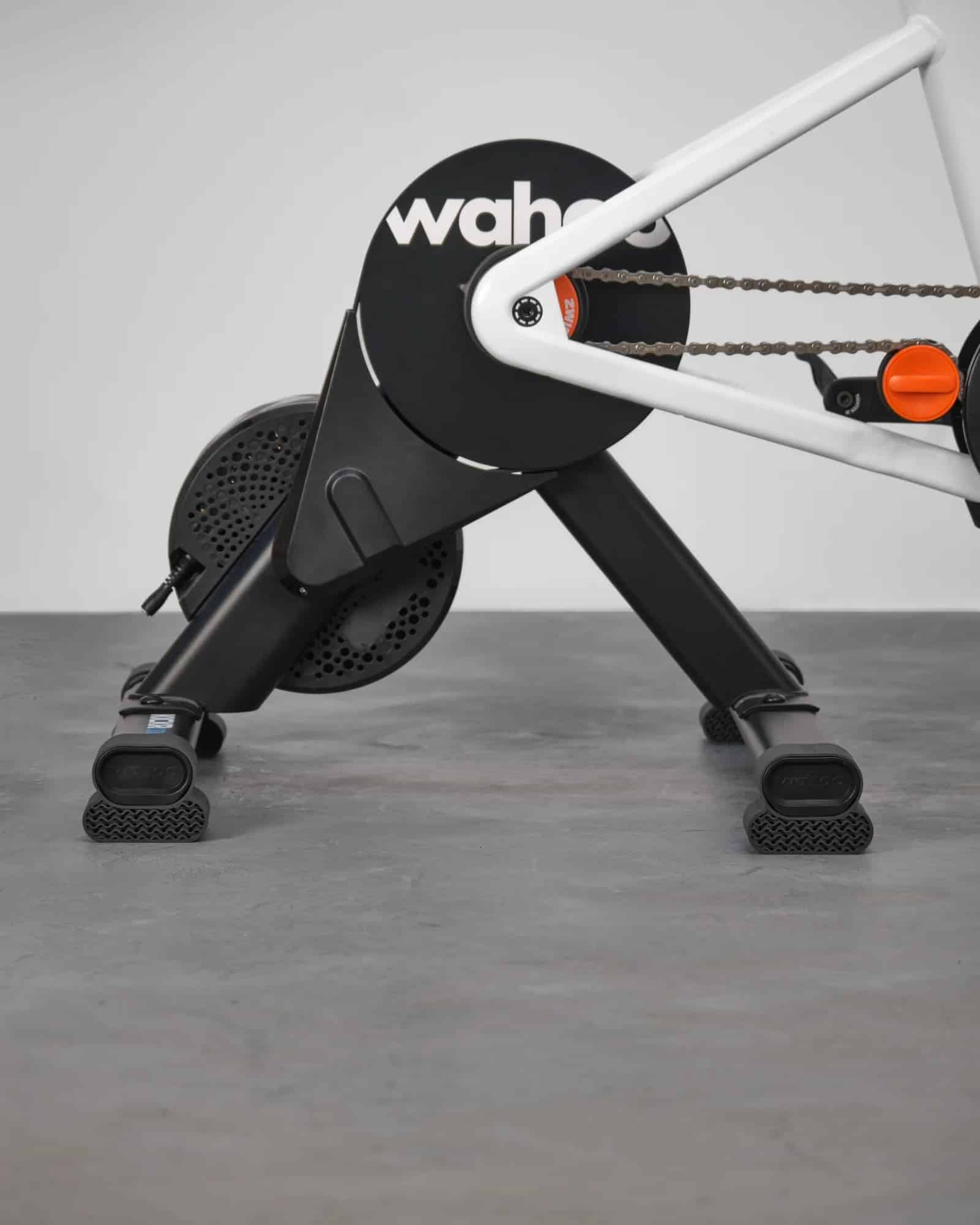
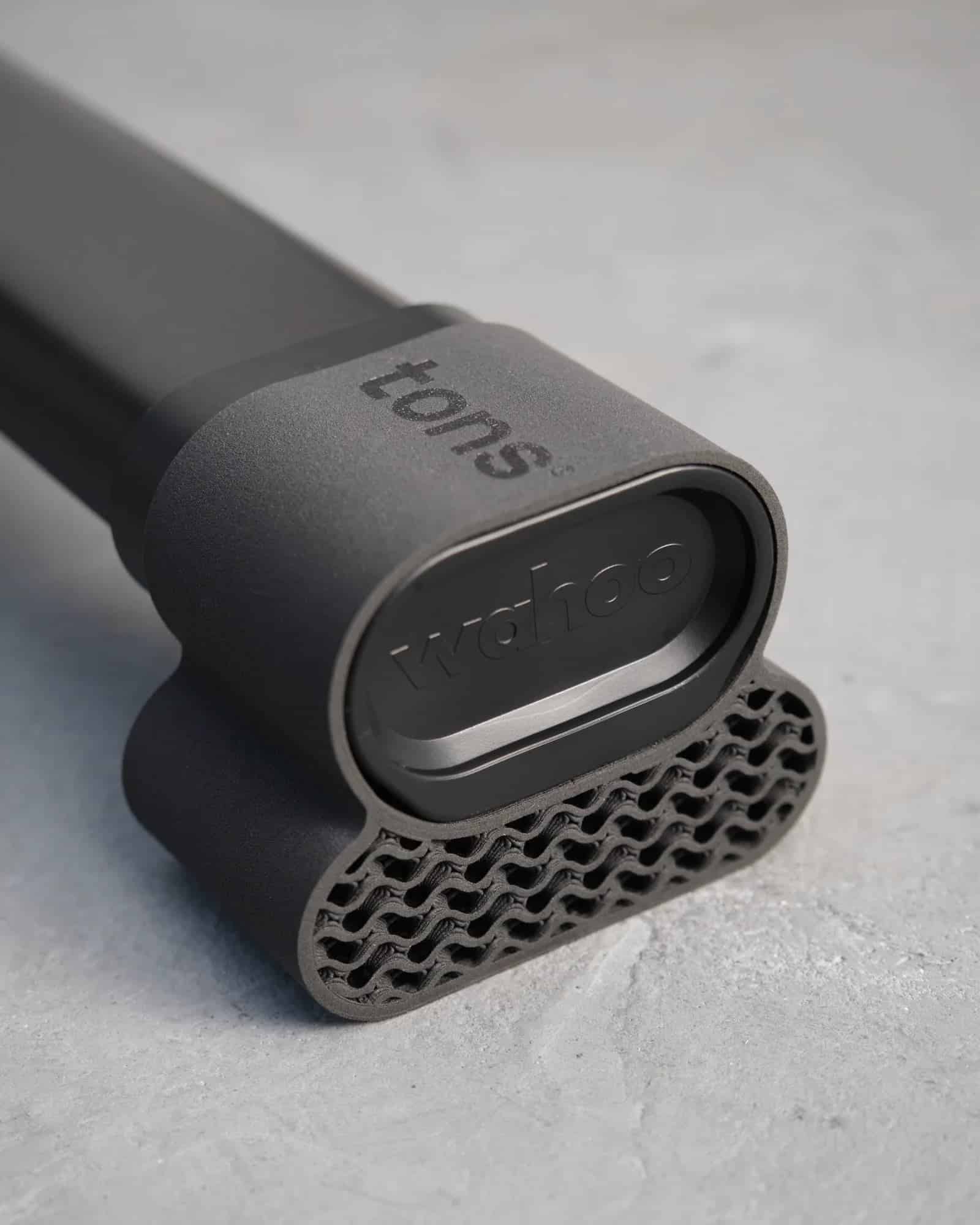
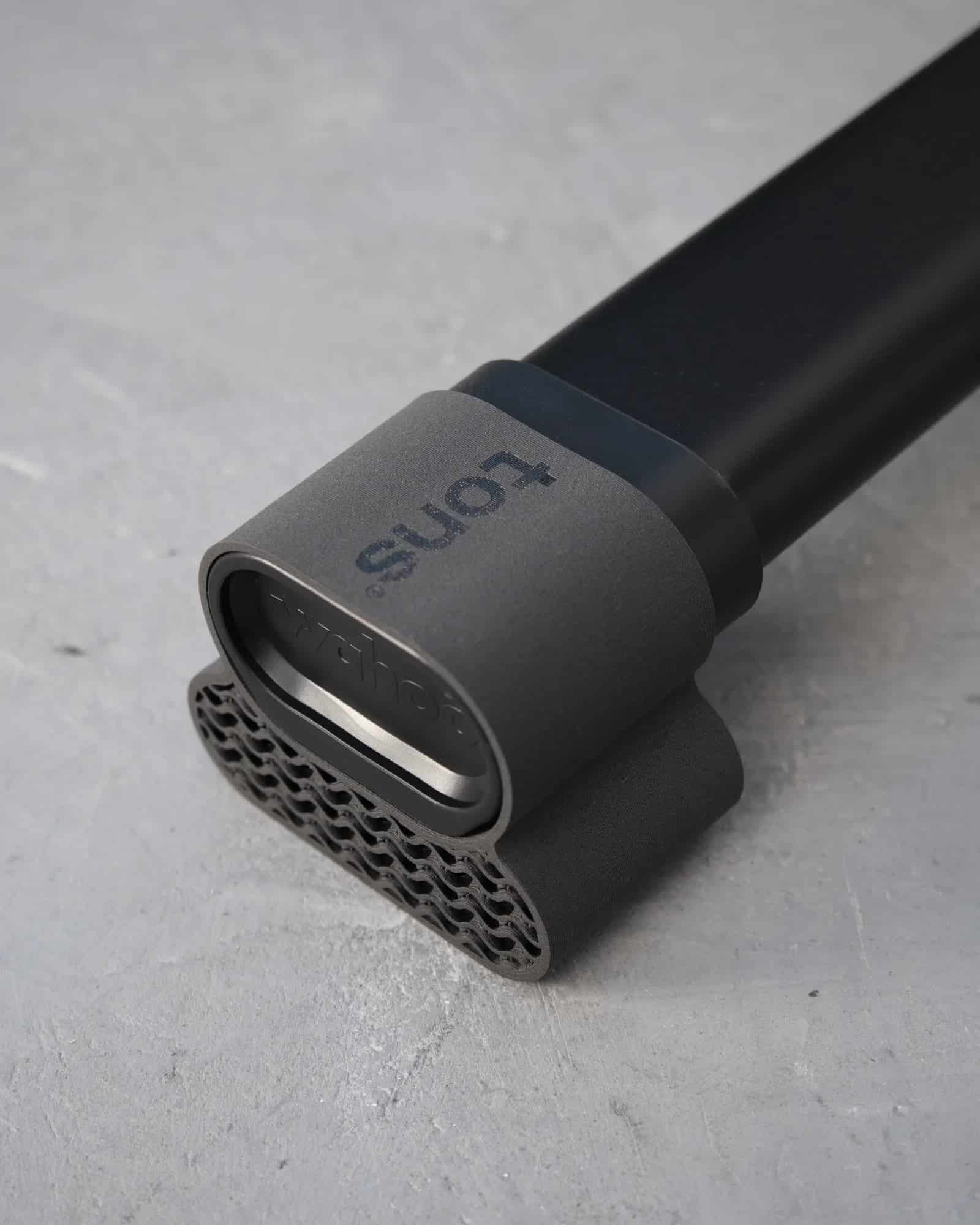
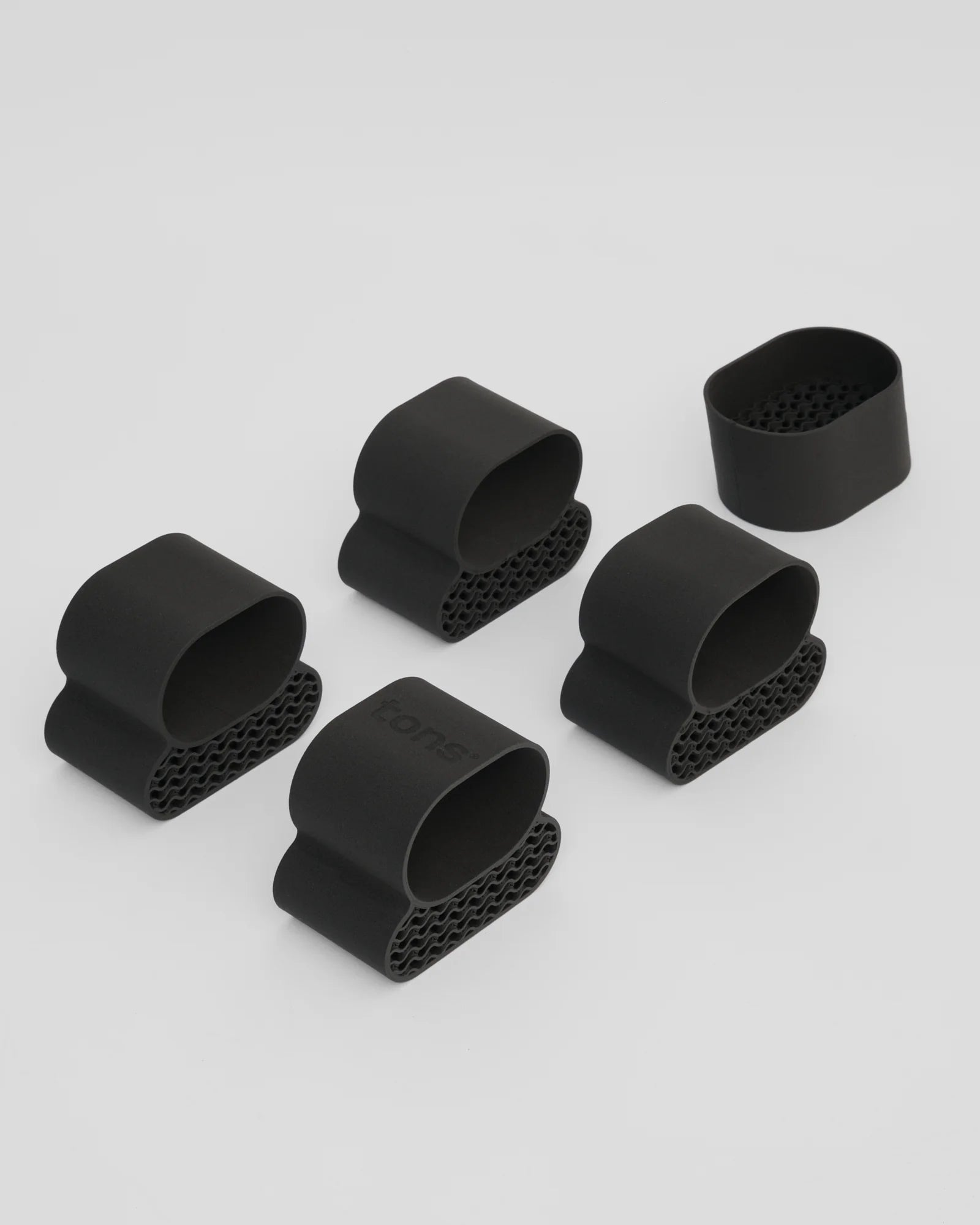
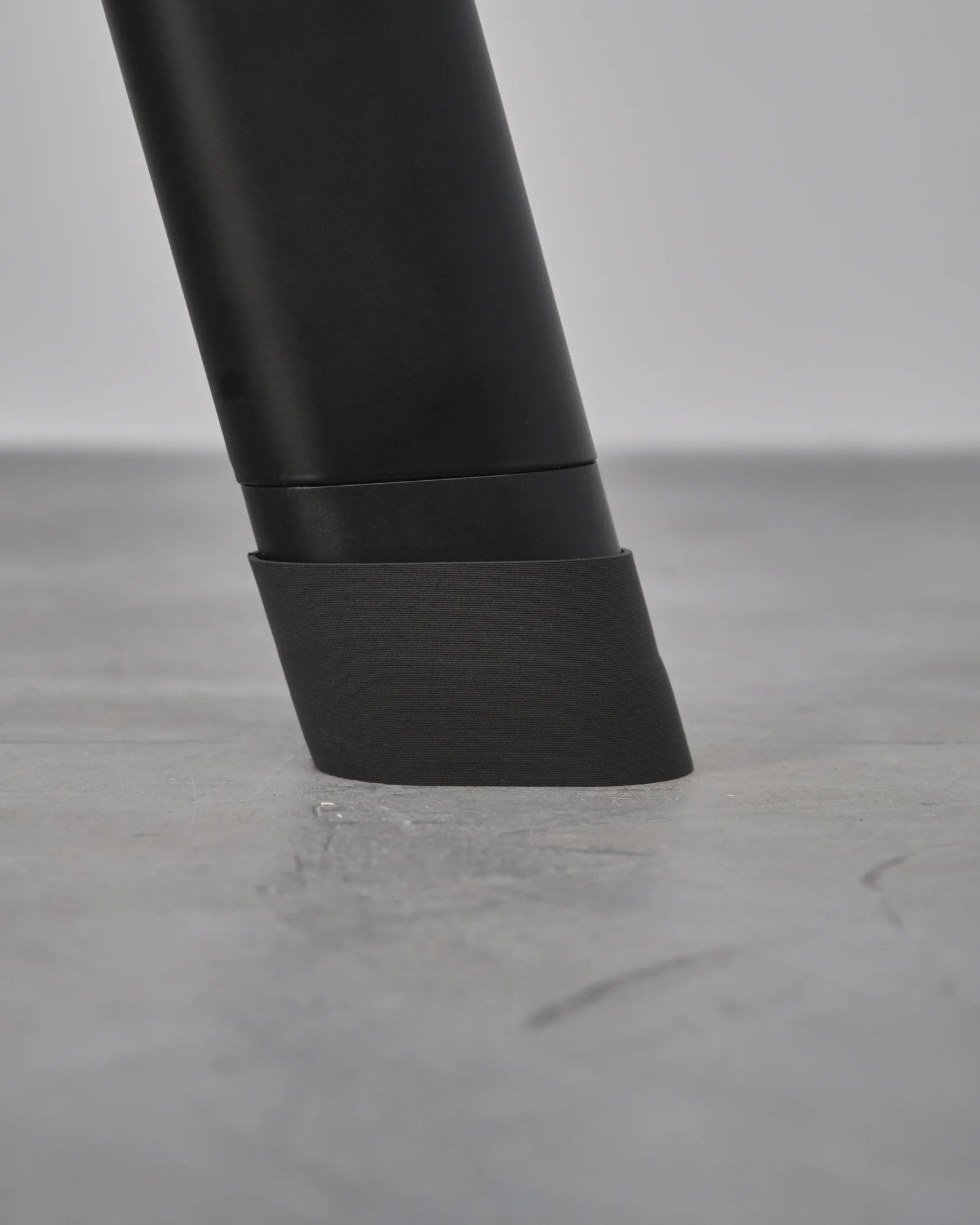
When winter pushes the training inside, Tons follows. The Rocker Feet, a set of five rubber feet for the Zwift Ride with a Wahoo KICKR CORE 2, add a gentle side to side movement as you pedal, closer to the feeling of the road, and absorb the vibrations and noise that would otherwise travel through the floor. They cost €100.
8 questions with Kristian Krøyer, founder of Tons
How did Tons start, and what was missing in the way cyclists store their gear at home?
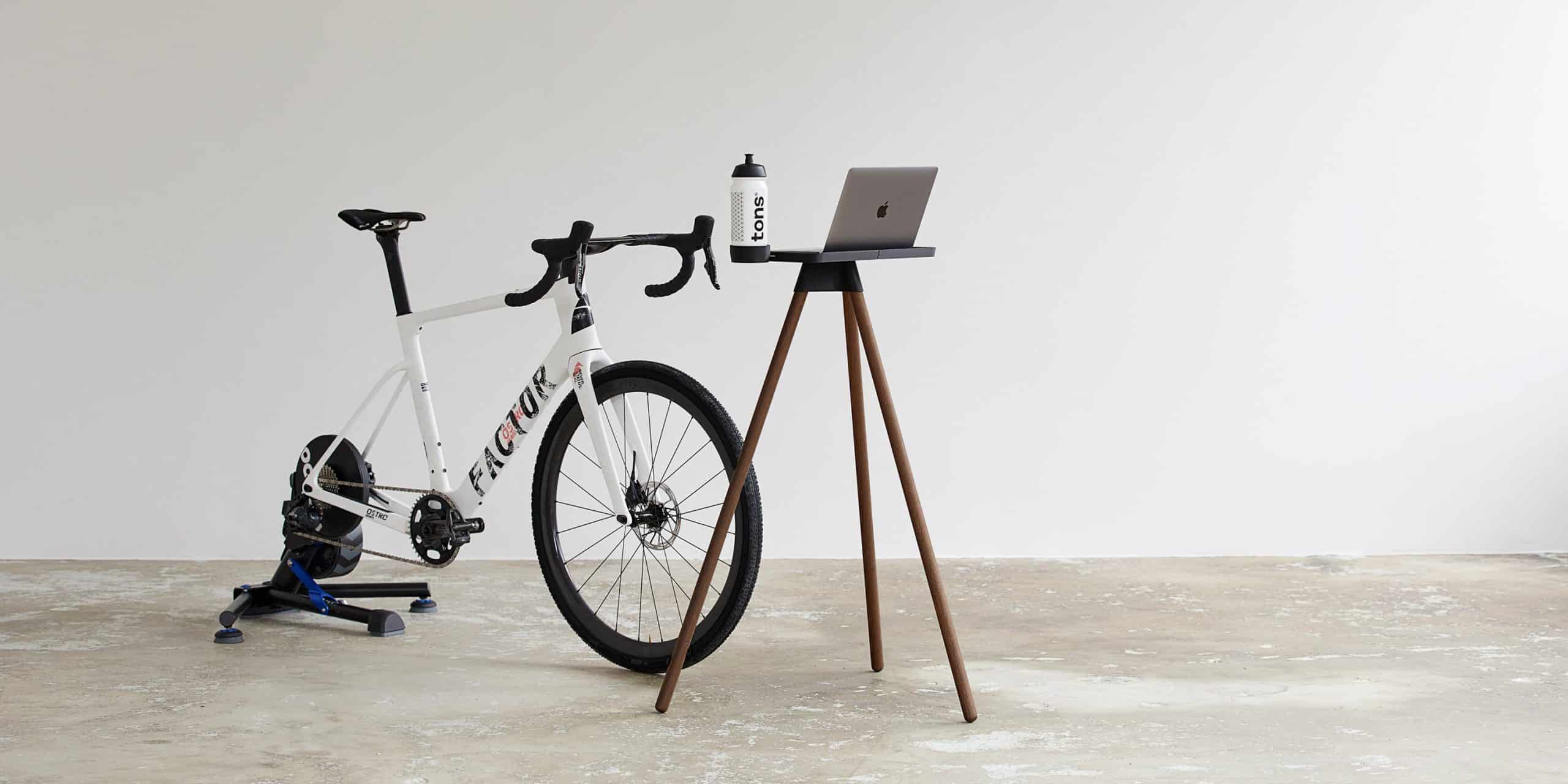
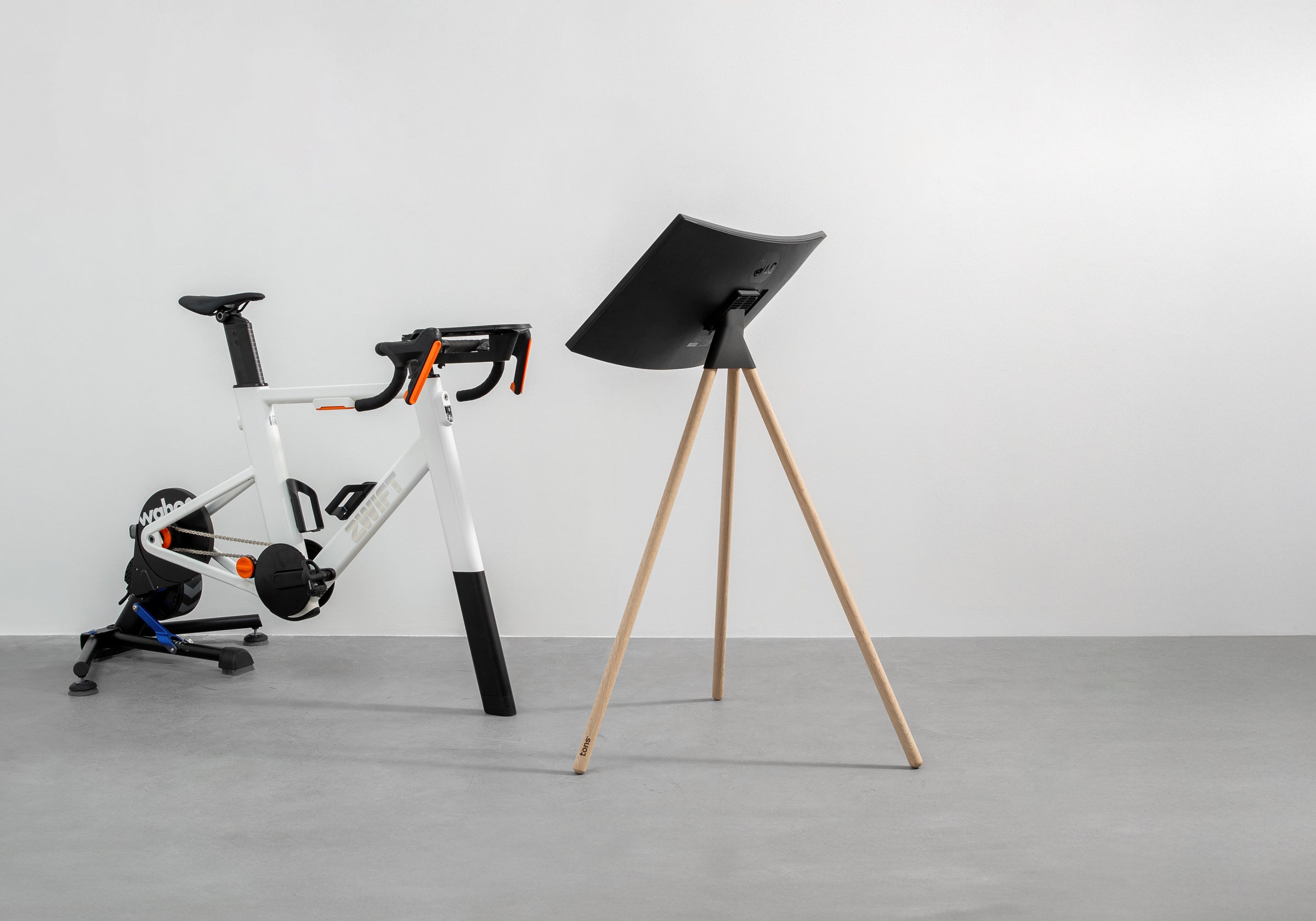
I started Tons as a hobby project, and it suddenly took off during COVID. My background is in industrial design for consumer electronics, where everything I worked on was mass-produced in China. I thought it would be fun to see if I could build a hardware brand around local production. We started with stands for Zwift because we couldn’t find a decent one. Then we moved into bike racks and gear organisers. A lot of people keep their bikes and kit in their living space, and we wanted to make something that looked like it belonged there. Most of what was out there looked like it was made for the garage.
Why oak and 3D printed parts? How do the two materials work together?
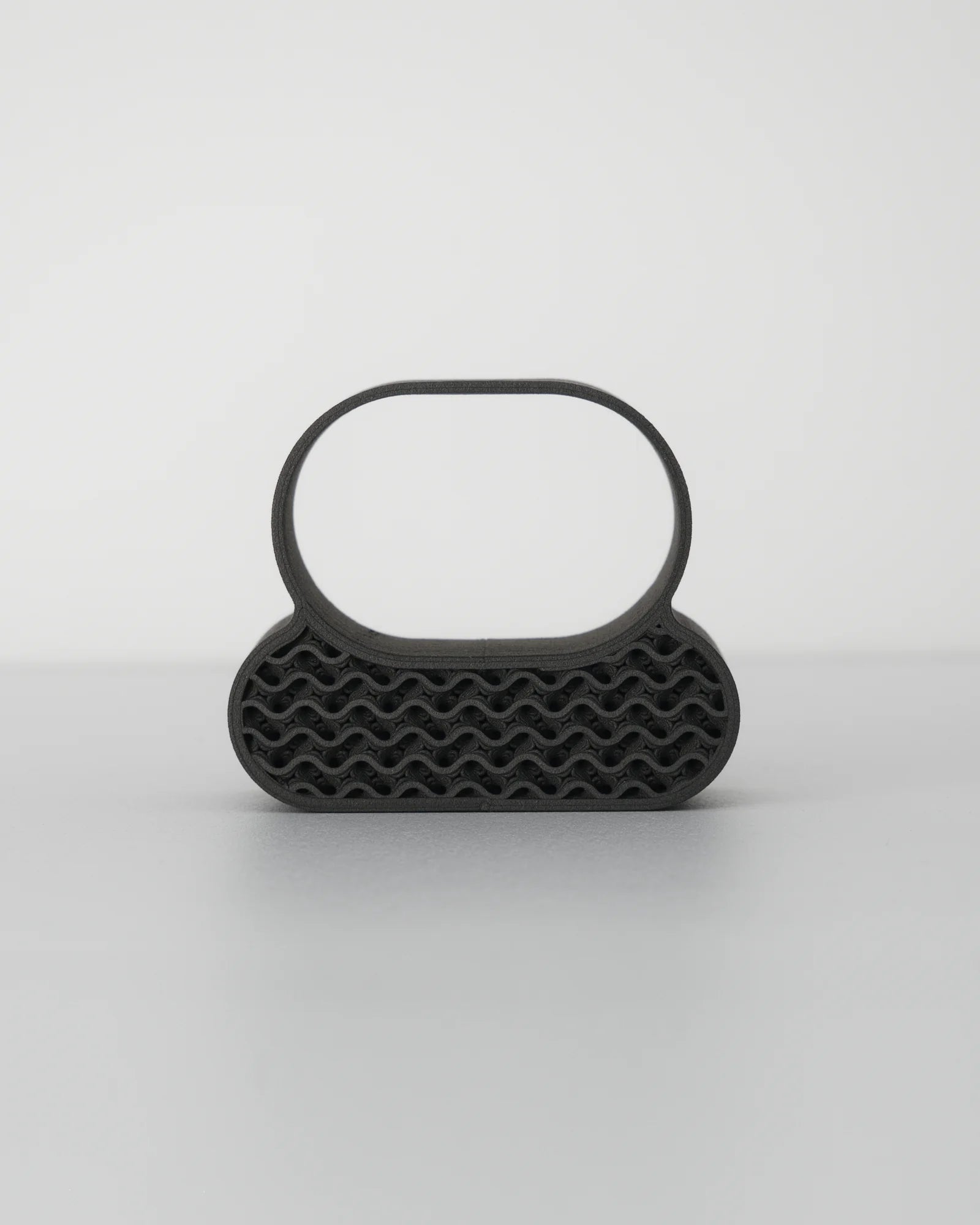
It’s partly about how the materials look together and partly about how we make things. With 3D printing, we can build in details that would take a lot of work to machine into the oak. Keeping the woodworking to a minimum makes production simpler. I also like the way 3D printing looks. We leave the layers visible and let the little imperfections be part of the product.
The Short Bar and the Short Rack won an iF Design Award. What makes good design for a hallway or a pain cave?
We made the Short Bar and Short Rack easier to fit into a small space and easier to put up. You can mount them with double-sided tape, which is handy if you can’t drill holes at home. Then you can mix and match the holders depending on what gear you want to keep there.
Who designs the pieces, and how does a new product go from sketch to wall?
I design them. I do a quick sketch by hand, draw it in CAD and get a prototype printed as quickly as possible. Then I keep tweaking and printing until it works, looks right and is easy to print. Having to finish the parts by hand would make them too expensive. Once a product is out, we use feedback from those first few months to keep improving it.
What does making everything in Denmark mean for Tons?
We make everything locally in Denmark and keep the supply chain as short as possible. We build to order, which keeps the logistics simple and means we can avoid holding finished stock.
Your climb prints, like the Colle delle Finestre, celebrate legendary ascents. How did the idea start, and which climb is your favourite?
That was another hobby project. I just thought the prints would be fun to make, and I liked the way they looked. The Stelvio is my favourite. It’s an iconic climb, I’ve ridden it myself, and it’s in one of my favourite parts of northern Italy.
How do you imagine the ideal home of a cyclist?
Somewhere with room for lots of bikes. And one more. N+1.
What comes next for Tons?
There are still lots of things we’d like to make. We’ve just made Rocker Feet, which are rubber feet for the Zwift Ride. The main thing we’re working on now is a whole new product category. There’s wood involved in that one too.
Images courtesy of Tons. More at tons.bike.
Free newsletter, every Sunday
The Week on Feel
The best of the week in design, architecture and art, picked by our editors and delivered to your inbox.


