


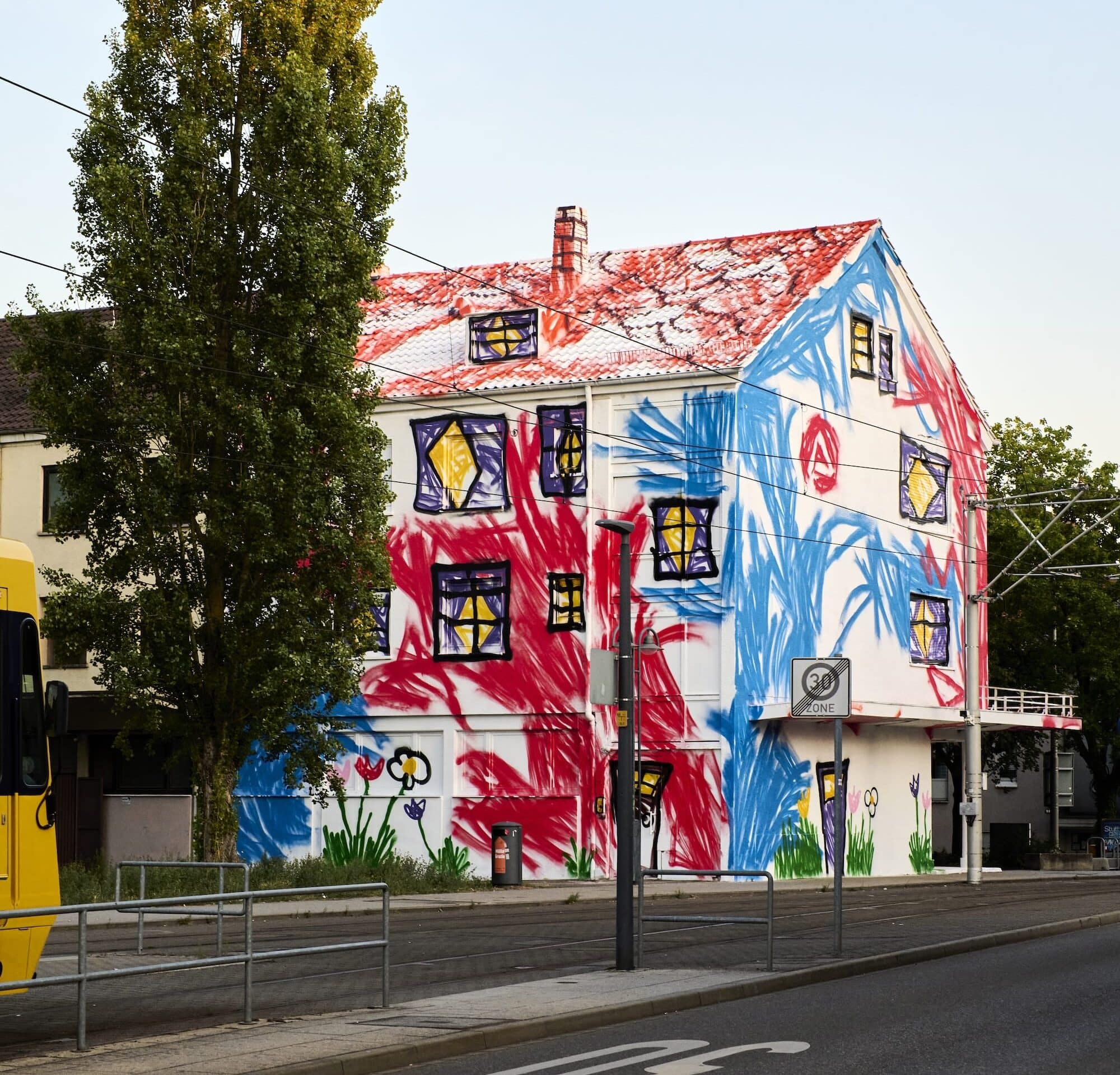
A front door that narrows towards the bottom, purple curtains in windows scattered almost at random, a roof of scalloped shapes that could be tiles or clouds, and over everything thick scribbles of red and blue. The house is real, an empty building in Stuttgart, and the drawing on its walls is by The Wa, who painted it this year for PFFFestival.

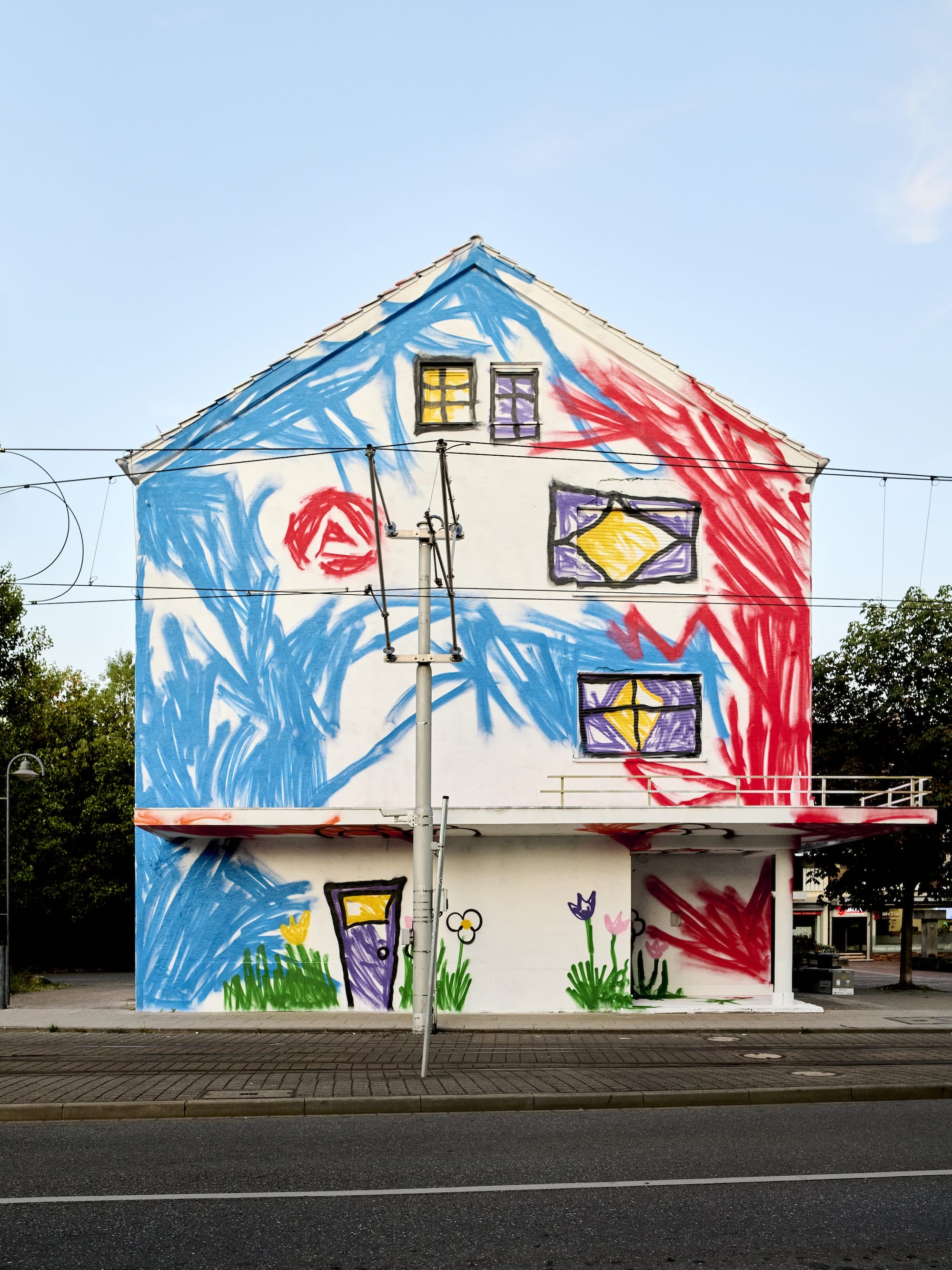
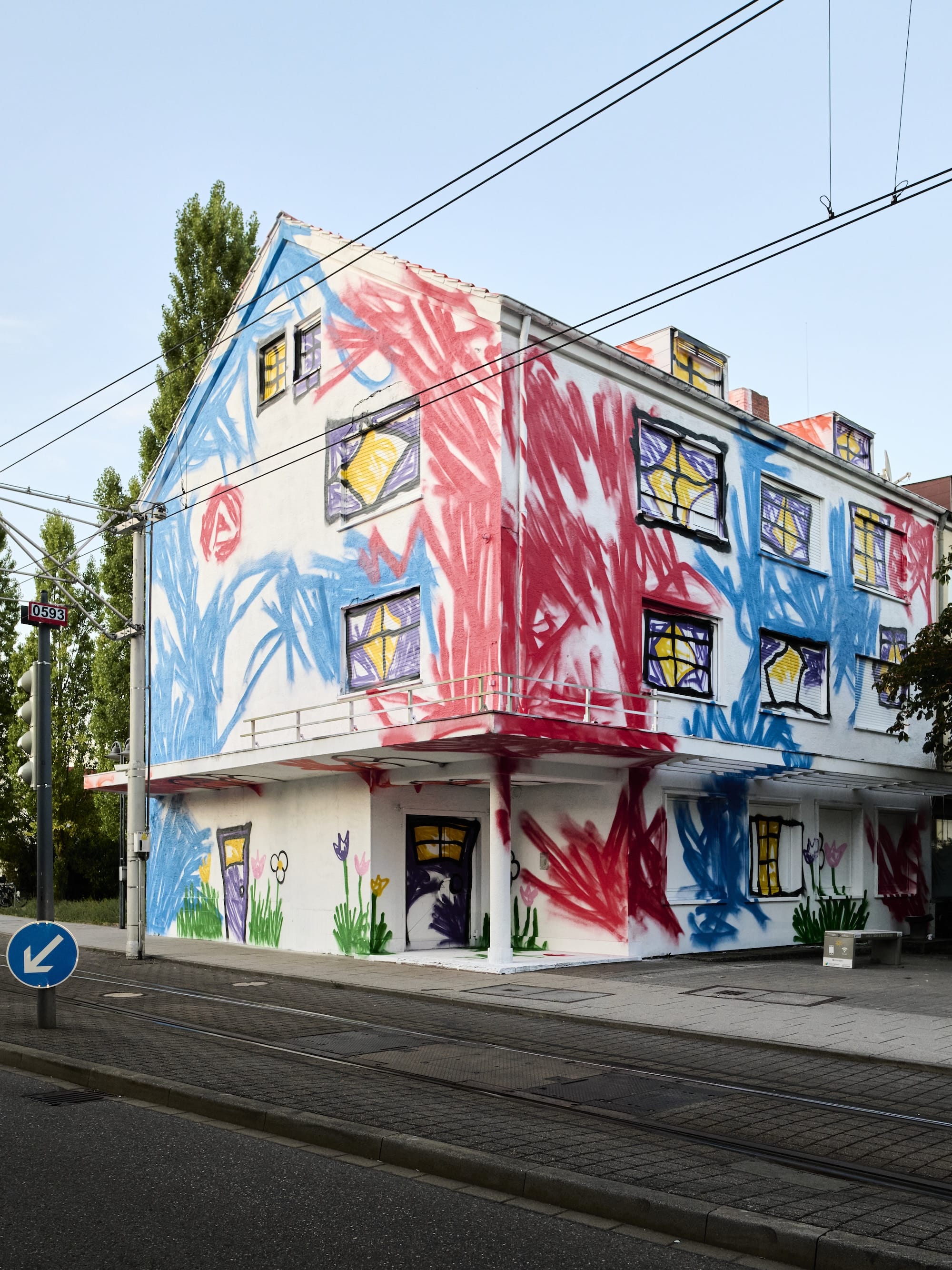
It is the latest chapter of A Kid Could Do It, a series the artist began on a much heavier kind of architecture: the concrete bunkers, battery platforms and defensive structures the Second World War left along Europe’s coastlines. Thousands of them belong to the Atlantic Wall, the line of fortifications built by Nazi Germany between 1942 and 1944 in anticipation of an Allied landing. Decades after losing their purpose, many still sit on the beaches, too massive to remove and too grim to ignore.

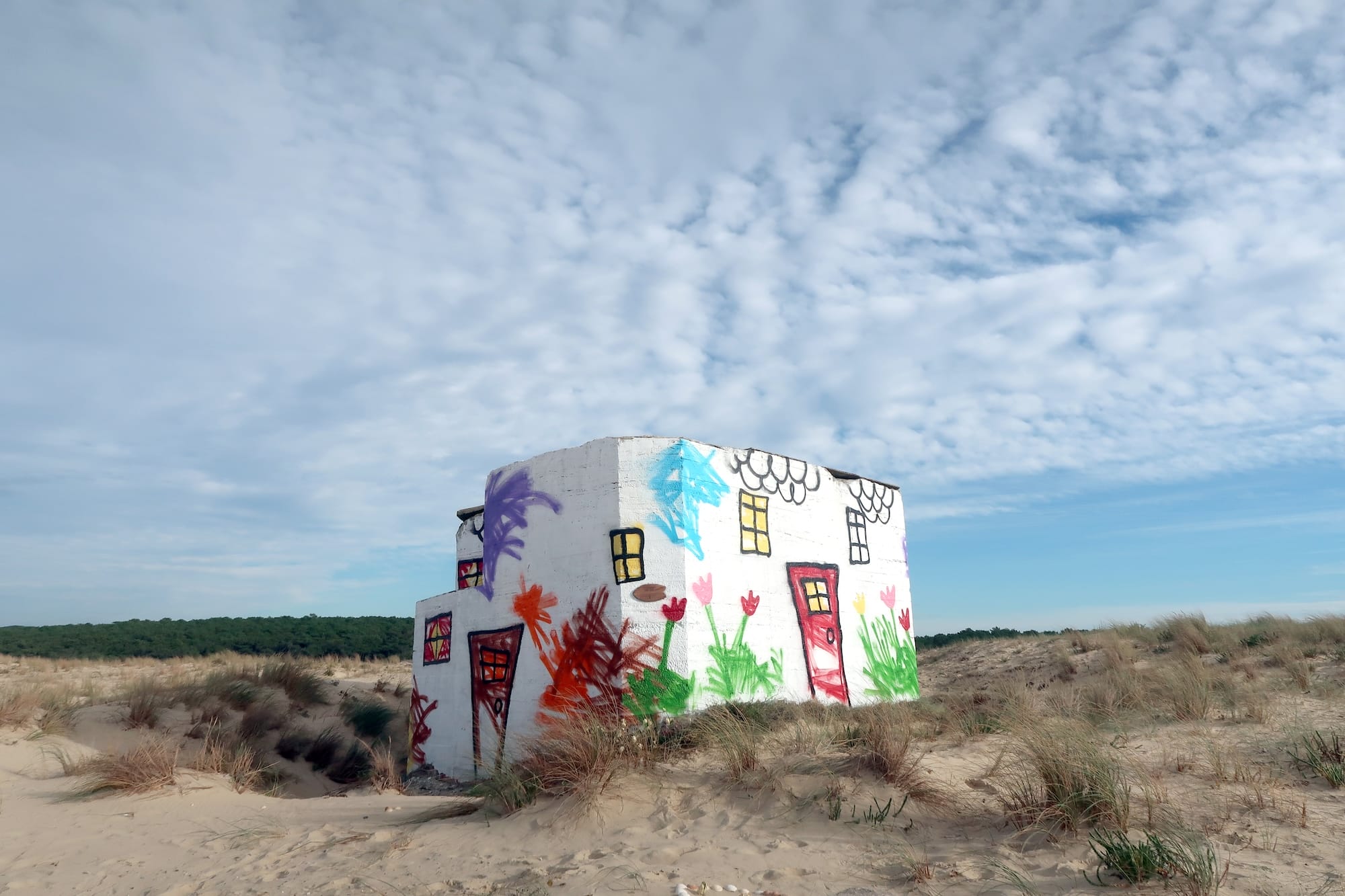

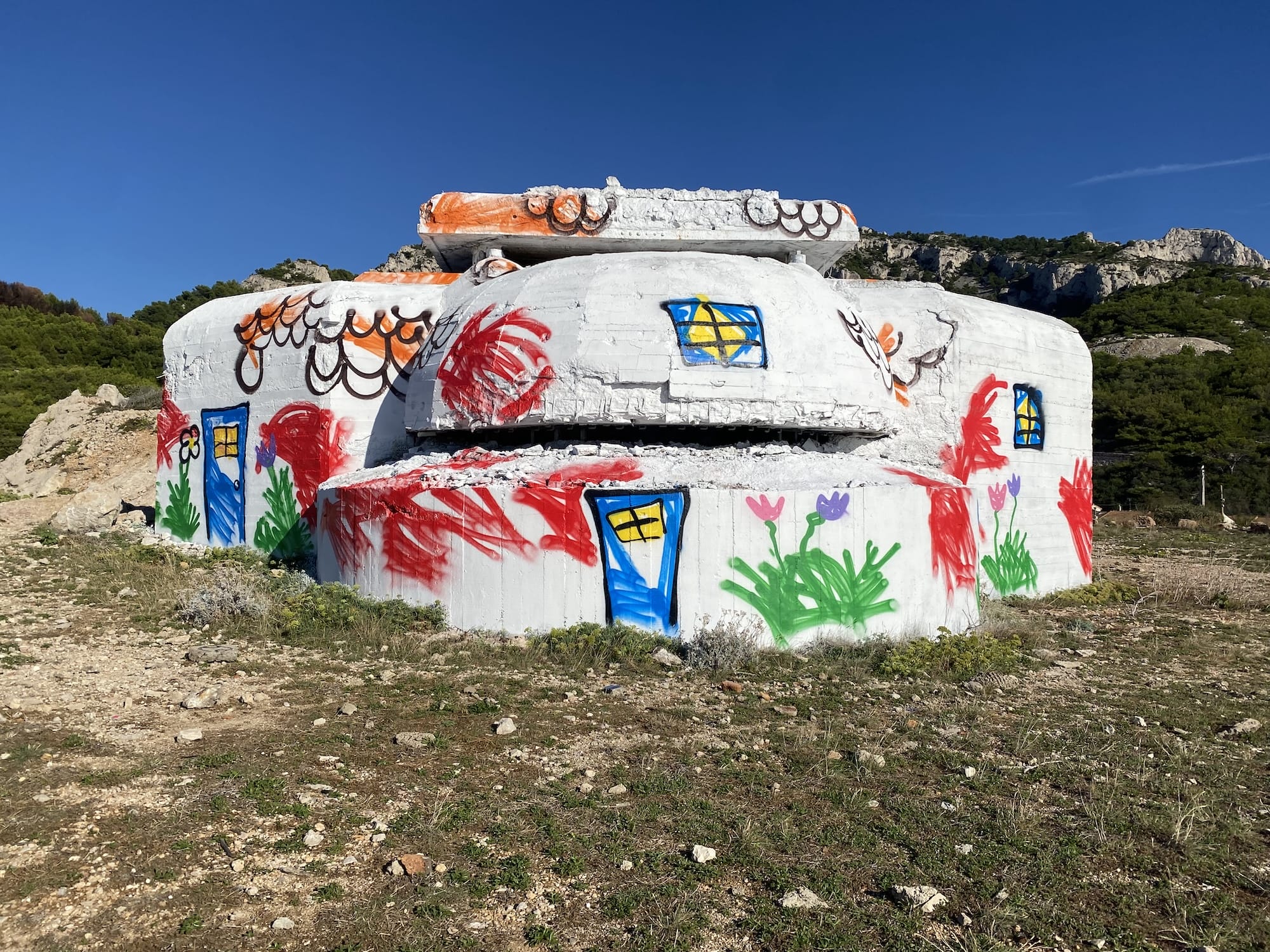
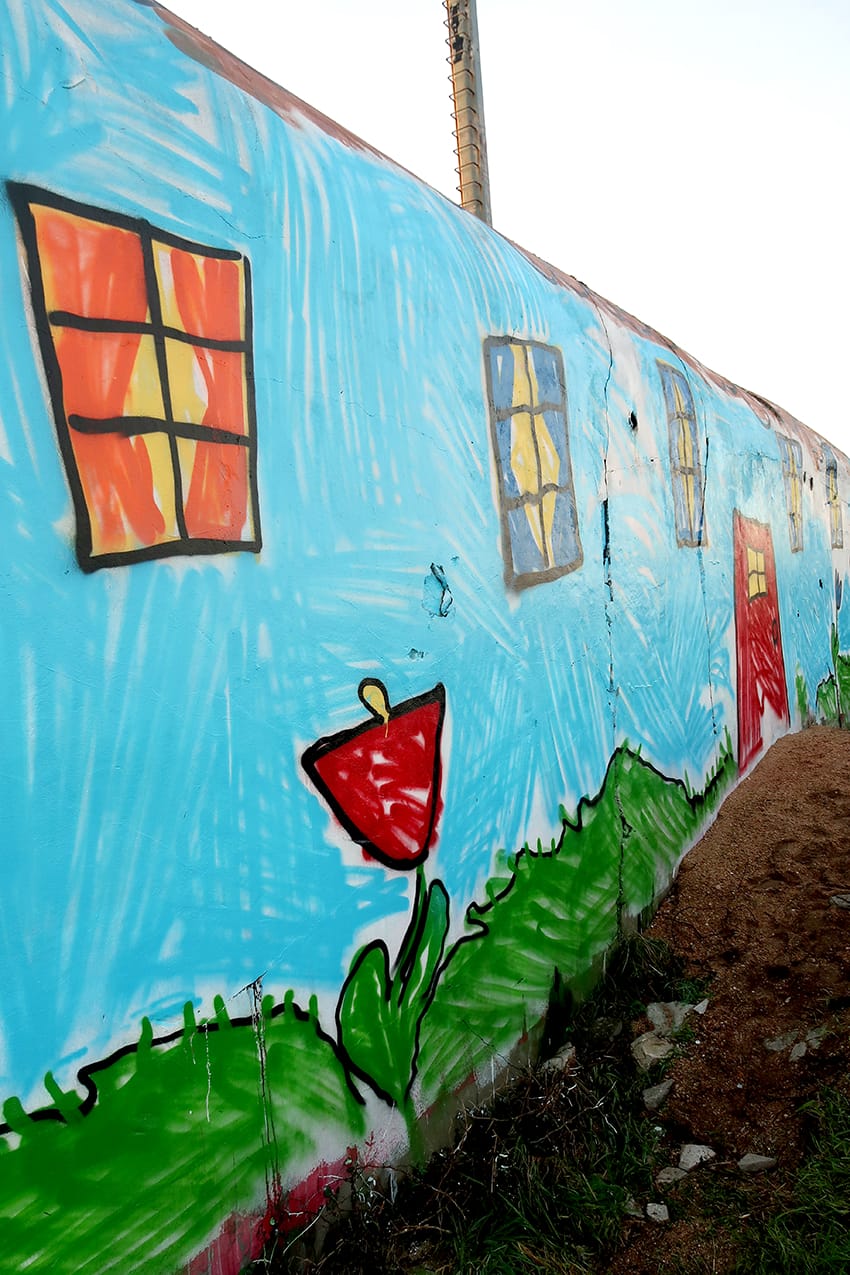
The Wa treats them as blank sheets of paper. Blocky windows, crooked doors, flowers and saturated crayon colours turn gun emplacements into the little house every child draws, pointed roof included. The method, in the artist’s words, follows “one simple rule: the unfiltered creative logic of a child.”
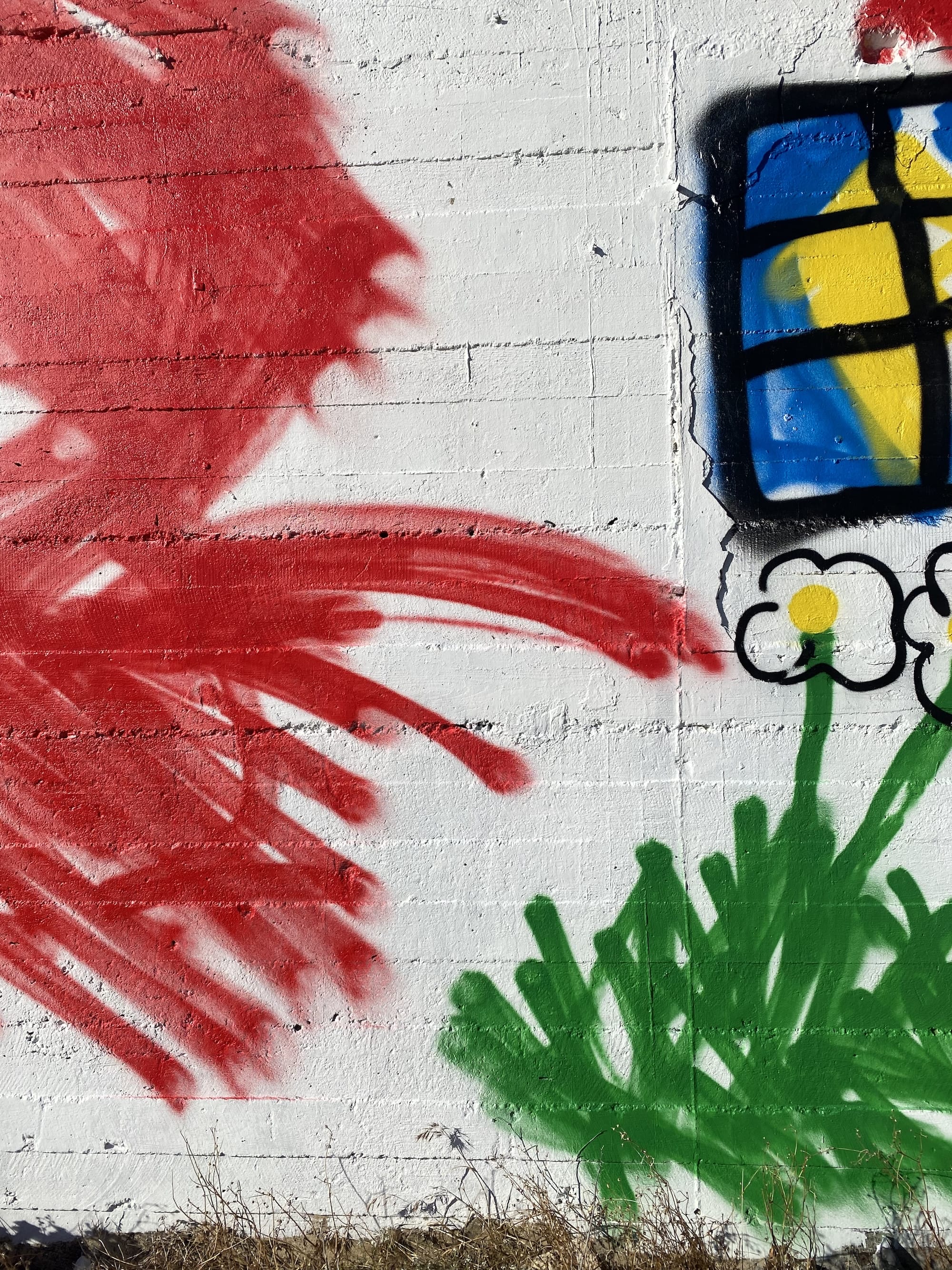
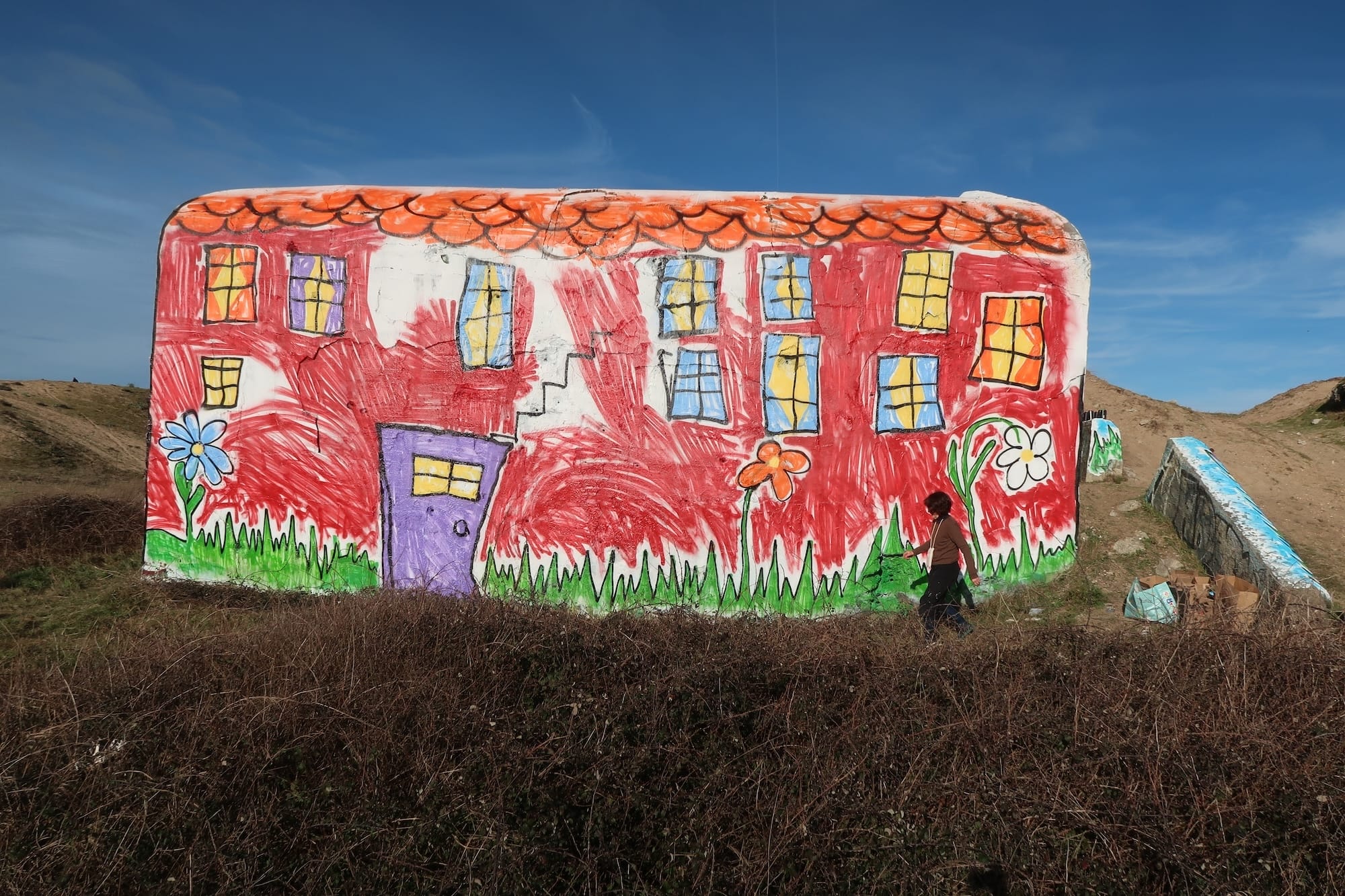
The title is a deliberate provocation. “My kid could do that” is the sentence every abstract painter has heard muttered in front of a Pollock or a Kline, and The Wa takes it at face value. The series also started as a collaboration with his mother, which makes the artist, quite literally, somebody’s kid holding the brush.

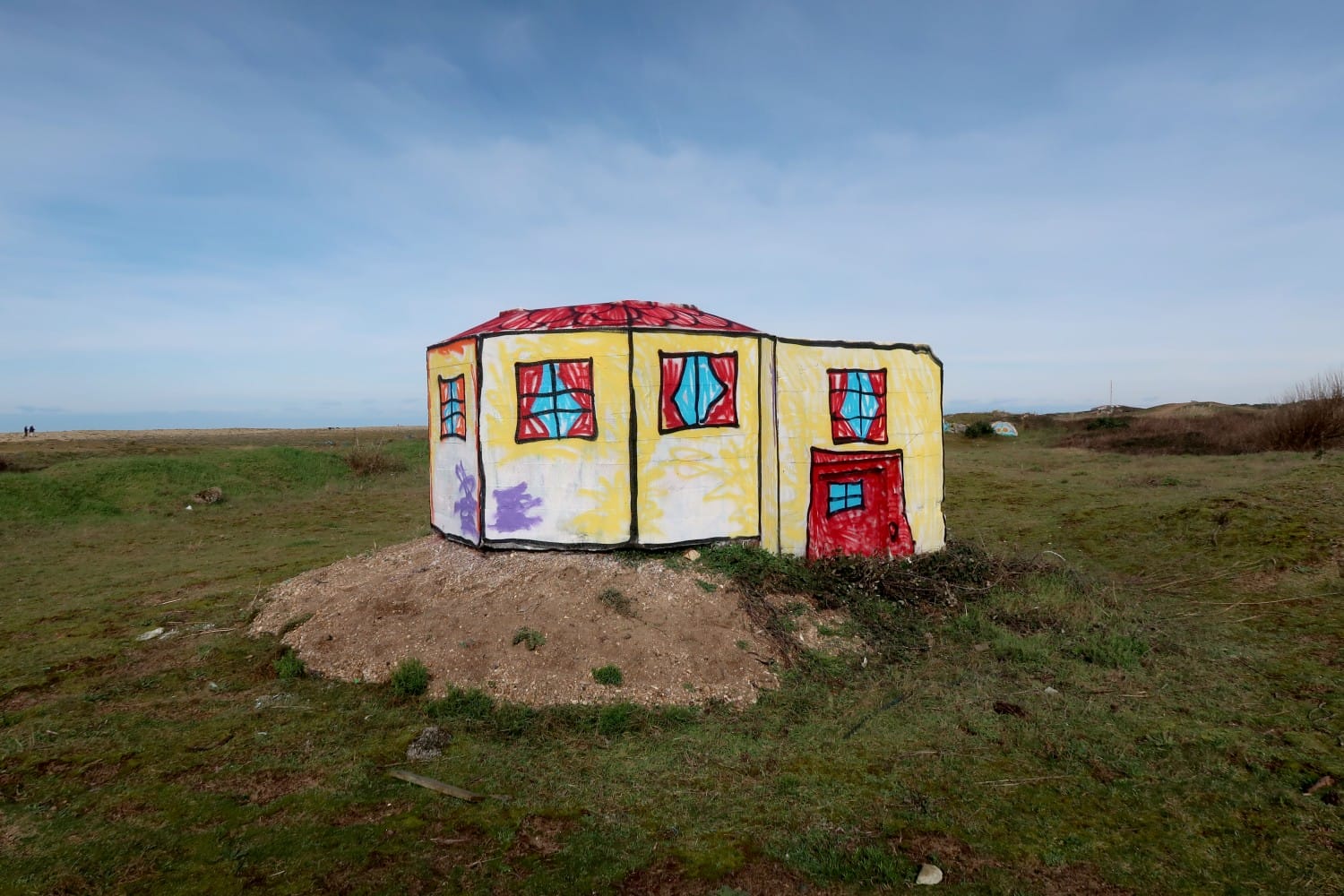

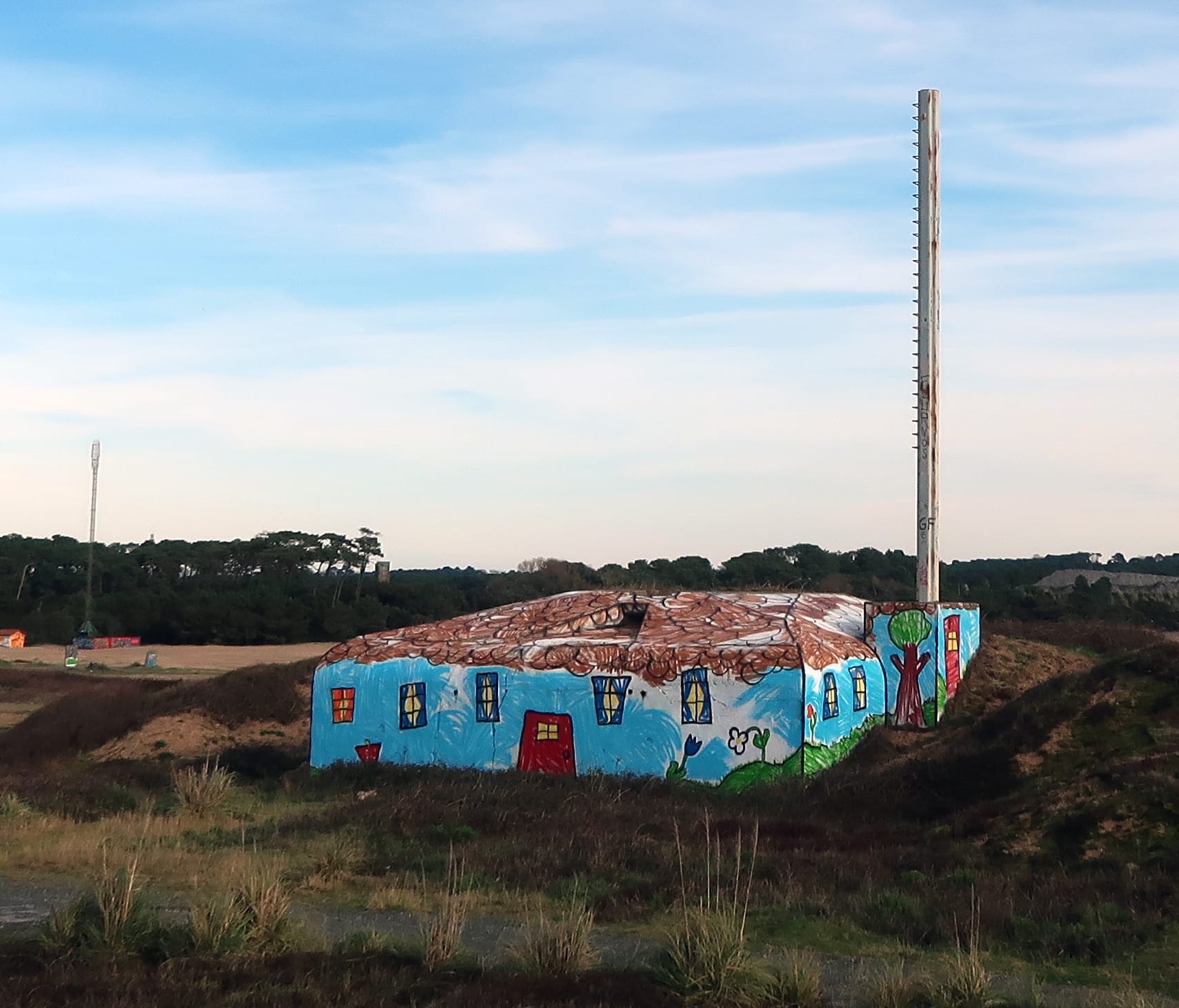
We find the bunkers the strongest part of the project. Painting over a military ruin is never a neutral gesture, and The Wa avoids both memorial solemnity and easy decoration: the childish house does not erase what the bunker was, it makes the distance between the two impossible to miss. In Stuttgart the tone is lighter, closer to a joke on architecture itself, but the question is the same one asked at domestic scale: who decided what a building is supposed to look like?

More of The Wa’s work is on his Instagram. Via Colossal. All images courtesy of The Wa; PFFFestival 2026 photos by Sven Weber.